
Spain Business Trends 2026: Where Growth Actually Happens (And Where It Doesn't)
Spain's economy in 2026 is a study in contradictions. Tourism still dominates the headlines, with record revenues in the hospitality sector showing a 100% turnover increase since 2021, and real estate prices continue to climb due to persistent housing deficits. But what was not on the radar five years ago is the explosion in renewable energy, where Spain has become a European leader with over 100 GW of installed capacity. Barcelona's startup ecosystem has matured into a magnet for serious venture capital, and the elderly care market has scaled to meet the needs of a population where 20% are now over 65.
The Spanish market is a teacher that rewards specific models and punishes others without mercy. For digital nomads considering entrepreneurship or expats eyeing a new venture, understanding where actual growth is concentrated matters enormously. Find the Spanish region and city that fits your business goals.


Fastest-Growing Business Sectors in 2026
Spanish economic growth is projected at 2.1% for 2026, but sector performance varies dramatically. Growth is concentrated in areas driven by aging demographics, the green transition, and shifts in how the world works.
- Green Energy and Storage: Installation services, smart grid technology, and battery storage. Growing 5–15% annually.
- Elderly Care: Residential "Senior Living" and technology-enabled home care services.
- Relocation and Immigration Services: Helping the 7,800+ annual digital nomad visa applicants navigate the bureaucracy.
- ICT and Digital Services: Growing at over 4% as companies adopt AI-based solutions.
Green Energy: Spain's Mediterranean Advantage
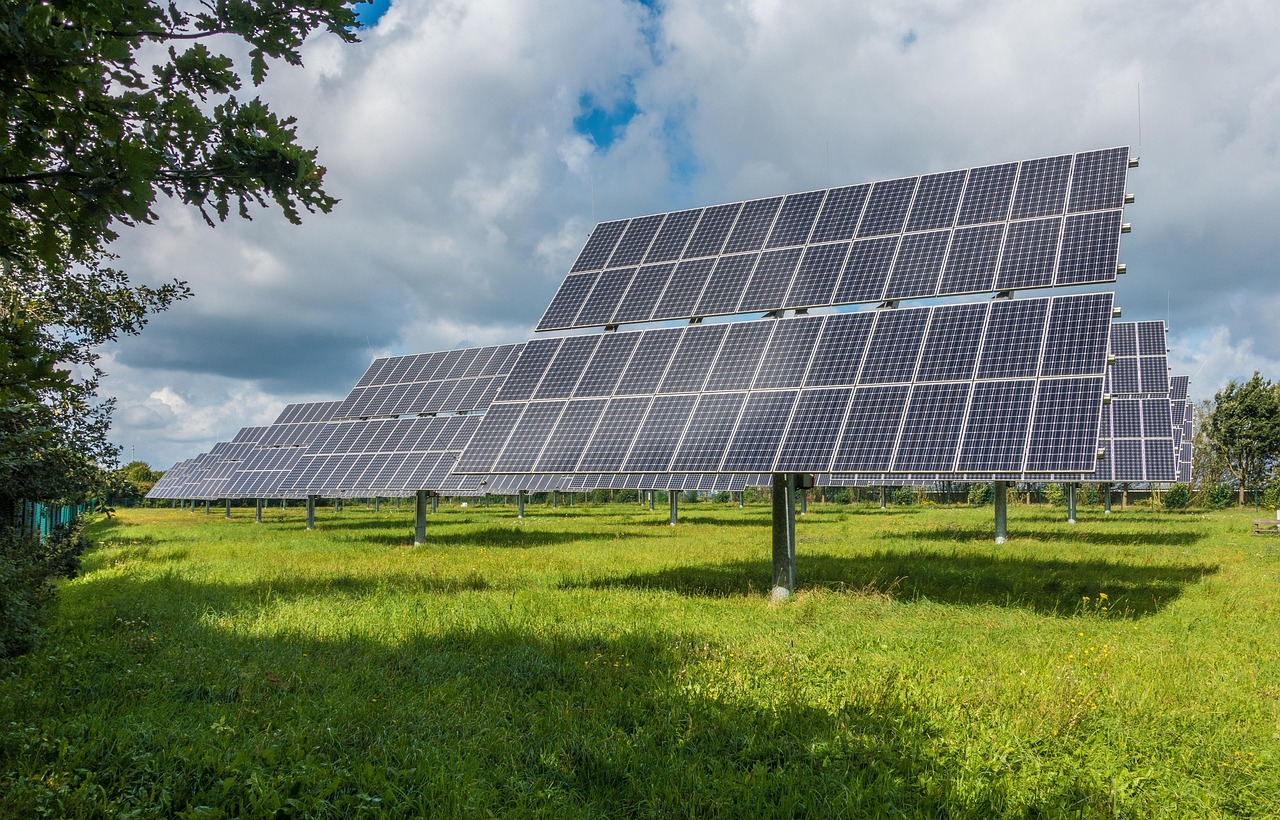
Spain has rapidly established itself as one of Europe's most dynamic renewable energy markets. In 2025 alone, the country installed more than 8 GW of solar PV. The combination of geography (Andalucía and Murcia receive solar radiation comparable to North Africa) and massive EU funding through the Recovery, Transformation, and Resilience Plan has created exceptional conditions.
- Competitive edge: Low renewable electricity costs are creating advantages for energy-intensive industries, attracting new manufacturing facilities to Spanish soil.
- Storage is the new frontier: With the grid nearing saturation (80% of nodes are congested), smart money is moving into Battery Energy Storage Systems (BESS) and grid flexibility technologies.
- Self-consumption: Domestic and industrial self-consumption has multiplied fourfold since 2020, driven by falling technology costs and EU subsidies.
Reality check: capital requirements are high. You will likely need between €50,000 and €200,000 for equipment, plus a 12–18 month buffer before consistent revenue arrives due to grid connection delays.
Tech Startups: The Ecosystem Reaches Maturity
The Spanish tech scene has matured significantly. It is no longer just aspiring Silicon Valley; it is a legitimate ecosystem with institutional depth. Barcelona remains the leader for international talent, while Madrid dominates domestic market access and venture capital.
- Fintech and AI: Spanish banking and administrative digitization lagged historically, so startups solving payments and AI-based business automation have found genuine market fit.
- Travel tech: Spain's domain expertise. Building a marketplace for sustainable travel or activity booking works particularly well here.
- Málaga emerging: The southern coast is now a legitimate tech hub with a growing community of founders and engineers, not just a holiday destination.
Elderly Care: Demographic Destiny
Spain's population is aging faster than almost any other in Europe. With one of the highest life expectancies in the world at 84 years, the "Senior Living" market is receiving a €3 billion capital injection through 2026.
- Home care services: Personal assistance and medical support. A scalable model with lower capital requirements (€20,000–€50,000) compared to building a residential facility.
- Senior Living communities: Moving away from the traditional nursing home toward independent, technology-integrated living for active seniors.
- Foreign retiree services: Over 510,000 foreign seniors now reside in Spain, half of them concentrated in Alicante, Málaga, and the major cities. They need English-language care and wellness services.
Gastronomy: The High-Churn Sector
Spain has more restaurants per capita than almost anywhere else. It is a saturated market where roughly one in ten establishments opens or closes every year. Low barriers to entry lead to massive oversupply in neighborhoods like Madrid's Malasaña or Barcelona's El Born. Slim margins make survival difficult.
What is actually surviving in 2026: specialty coffee shops and artisan bakeries (still growing among millennial and expat demographics), cloud kitchen delivery-only models that cut front-of-house rent costs, and large chains with distribution networks that small operators cannot compete with on price.
Relocation Services: Profiting from the Immigration Boom
The Spain Digital Nomad Visa has created an entire industry around helping foreigners navigate the bureaucratic process. Services generating real revenue include immigration law (TIE and NIE acquisition), tax advisory (especially around the Beckham Law's flat 24% rate for new residents), and property sourcing in a rental market so tight that people now pay flat fees just to have someone find them an apartment.
For more detail on the legal framework for these businesses, the Official Large Business and Strategic Groups Unit (UGE-CE) is the authoritative source.
The Final Reality Check
- Business setup time: 1–3 days for autónomo; 2–4 weeks for an SL.
- Key growth driver: Next Generation EU funds through the Recovery Plan.
- Language factor: Spanish fluency is not optional for B2B or government-facing work.
- Tax reality: Budget for 25% corporate tax or 19–47% progressive income tax. Read the full Spain tax guide for entrepreneurs.
The most successful expat entrepreneurs in Spain are those who bring a professional skill set and apply it to a local problem: the energy transition, the demographic shift, or the immigration boom. Spain offers a genuine opportunity to build a profitable business, but only if you respect the market's dynamics. For the practical steps of registration, read our guide on starting a business in Spain in 2026.