
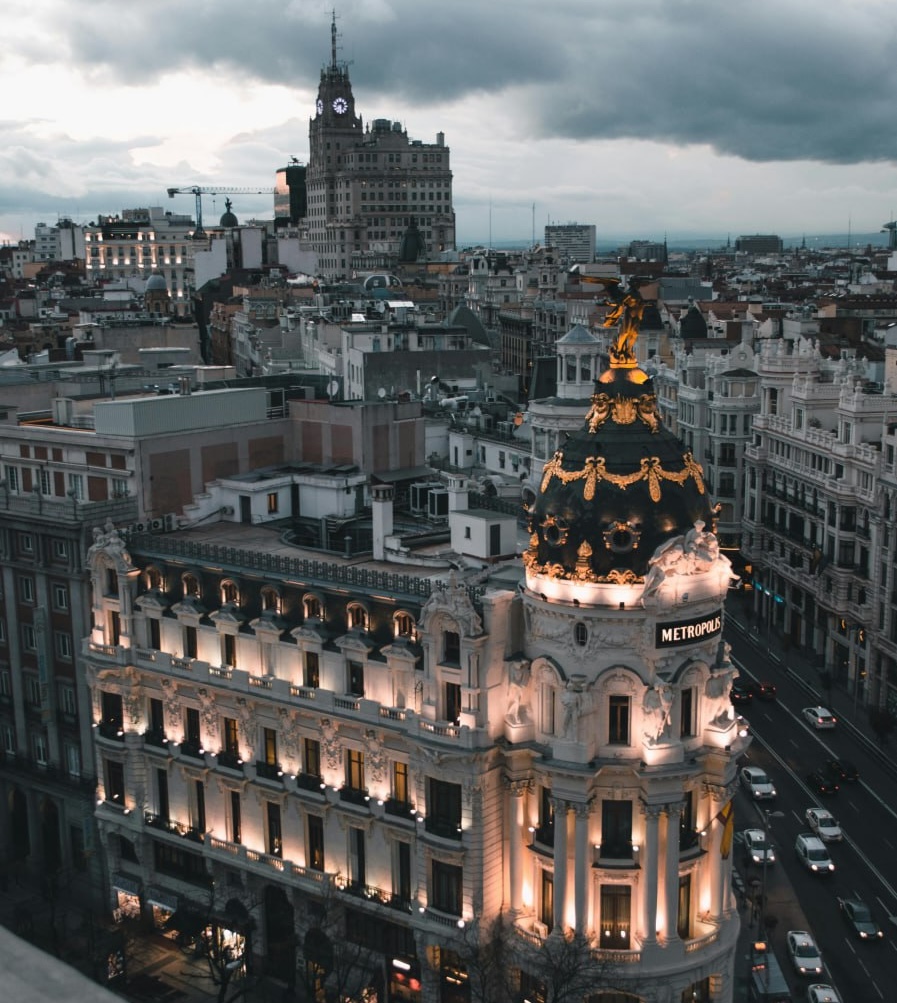
Madrid sits dead-center in the Iberian Peninsula like a grand, stone-hewn monument dropped into the middle of a high plateau. Geographically, there is no logical reason for a city of 3.2 million people to exist here. There is no ocean, no navigable river, and the surrounding landscape is a 650-meter-high expanse that offers little respite from the elements. Yet, despite its isolation, Madrid is the undeniable heart of the country - the place that keeps the gears turning while Barcelona debates its future and Seville retreats for a three-hour siesta.
We spent five months in the capital last year. We arrived with the typical traveler’s bias, half-convinced that we were “too cool“ for the frantic energy of a major capital. We were wrong. Madrid is certainly crowded, undeniably expensive, and the summer heat is a physical weight you have to carry. But it is also the only city in the country that operates with the functional rigor of a major European capital year-round. It doesn’t perform for you; it just lives, loudly and relentlessly.
The Neighborhood Soul: Beyond the Golden Triangle
Most people visit Madrid for the “Golden Triangle“ of art museums - the Prado, the Reina Sofía, and the Thyssen-Bornemisza. It is a world-class collection, and rightfully so.
However, the real Madrid isn’t found in the museums or the tourist-trap chaos of Sol and Gran Vía. It lives in the “barrios.“ We based ourselves in Lavapiés for three months. It is a neighborhood where gentrification is currently knocking on the door but hasn’t yet managed to evict the soul of the place. It’s gritty, multicultural, and boasts a food scene where you can find authentic Senegalese thieboudienne or Moroccan tagine served at prices meant for the community, not the guidebooks.
For digital nomads in Spain, neighborhoods like Malasaña and Chueca are the go-to spots. Malasaña skews alternative - think vintage shops, independent bookstores, and cafes that turn into bars at 11:00 PM. Chueca is the vibrant LGBTQ+ heart of the city, impeccably maintained and home to a Pride celebration that genuinely consumes the entire metropolis every June.
Infrastructure: Why Professionals Choose the Capital
If you are relocating to Spain and your priority is a career or maintaining a remote business with international clients, Madrid is often the only realistic choice. The infrastructure here is the best in the country, hands down. Fiber internet is the default setting even in older apartments, and the public transport system - a network of clean, punctual metros and buses - is world-class.
The Spain Digital Nomad Visa finds its most practical home here. While the cost of living is high, the trade-off is efficiency. Madrid is the only Spanish city that doesn’t go into a full coma during the off-season. While smaller coastal towns might shutter their doors in November, Madrid’s shops, co-working spaces, and professional networks remain fully operational 24/7.
Explore festivals, fairs, and cultural celebrations across Madrid.
Madrid EventsThe Food: A Culinary Melting Pot
Madrid doesn’t really have its own singular “signature“ dish because it has everyone’s dish. As the capital, it has spent centuries absorbing the best flavors from every corner of the peninsula. You can find Galician octopus, Basque tapas, and Andalusian fried fish within the same square mile.
The trick is knowing where to eat. Avoid the Mercado de San Miguel unless you just want to look at the architecture; it’s beautiful, but it’s a tourist circus. Instead, head to the Mercado de Vallehermoso in Chamberí. This is where you’ll see local grandmothers debating the freshness of hake with vendors they’ve known for thirty years. If you want the “local“ experience, try cocido madrileño - a chickpea-based stew served in multiple stages that is designed to put you into a productive-killing food coma for the remainder of the afternoon.
The Lifestyle Comparison: A Different Clock
When doing a Spain lifestyle comparison between Madrid and the rest of the country, you have to talk about the clock. Madrid operates on the latest schedule in Europe. Lunch at 3:00 PM is standard; dinner at 10:30 PM is common. If you try to eat at 6:00 PM, you will likely be dining alone with the waitstaff.
The “hustle“ is real here in a way it isn’t in the south. People walk faster, talk louder, and the social scene doesn’t even begin to warm up until midnight.
Escaping the Concrete: Retiro and Day Trips
The lack of an ocean is Madrid’s great tragedy. To compensate, the city has invested heavily in green space. Retiro Park is 350 acres of essential “breathing room“ in the center. We spent nearly every afternoon there, escaping the asphalt heat under the shade of its massive trees. For even more space, Casa de Campo offers 4,000 acres of rugged parkland where you can actually forget you are in a city of millions.
If the city feels too small, the day trips are unmatched. Toledo, the medieval capital, is just an hour away, as is the massive monastery-palace of El Escorial. Both are spectacular, though we recommend visiting on a weekday to avoid the school groups and tour buses.
The Reality Check: Costs and Climate
The cost of living in Madrid is a “capital premium.“ Rent will be your biggest hurdle, ranging from €1200 to €1,900 depending on your proximity to the center. Healthcare is excellent, and private insurance is surprisingly affordable - usually between €70 and €110 a month if you want to bypass the public system’s wait times.
The air quality can be an issue; the city’s location in a geographic bowl means it traps pollution and heat, creating a “beret“ of smog during the summer months. Speaking of summer, the best time to go to Spain if Madrid is your destination is undeniably April through June or September through October. August in the capital is a form of survival; the temperature regularly tops 40°C, and anyone who can afford to leave flees for the coast.
Ultimately, Madrid is a city for those who want substance over style. It isn’t a “vacation“ city in the traditional sense; it’s a place where you build a life. It is landlocked, expensive, and relentlessly busy, but it offers a level of cultural depth and professional infrastructure that no other Spanish city can match. If you need a beach, go to Barcelona. If you need a career and a world-class museum at your doorstep, stay in Madrid.
Best time to visit: April through June or September through October. August in the capital is a form of survival — the temperature regularly tops 40°C, and anyone who can afford to leave flees for the coast.
Thinking of relocating to Madrid? Set your priorities — climate, cost of living, healthcare, culture — and discover where your lifestyle truly fits best.
Start Life Assessment →