
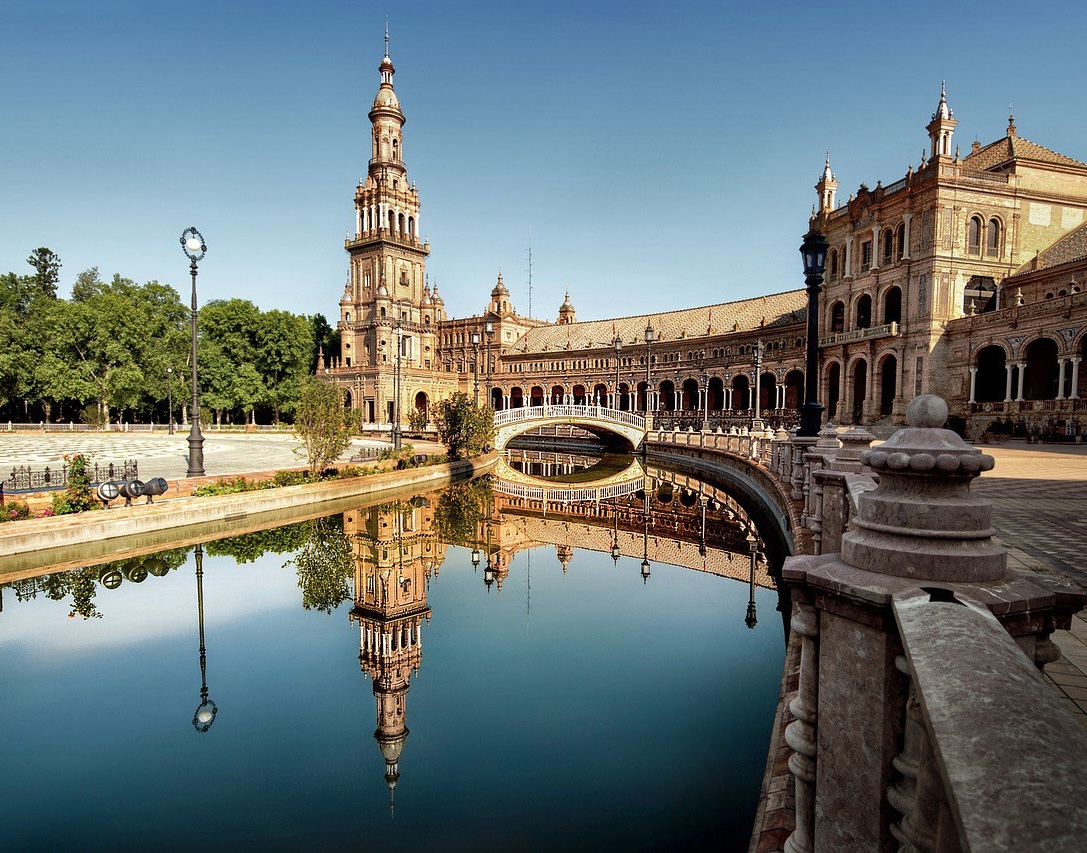
Andalusia is the version of Spain that everyone pictures when they close their eyes. It is a fever dream of flamenco, white villages cascading down sun-bleached hillsides, the Alhambra glowing at sunset, and a level of mid-afternoon heat that makes you reconsider every life choice that brought you outdoors between the hours of 2:00 and 5:00 PM. It is, without question, the most touristed, most photographed, and most clichéd corner of the country. And yet, despite the weight of all those postcards and tour buses, it still manages to deliver something profoundly real.
We spent four months traversing the region last year — splitting time between Seville's orange-scented plazas, the high-altitude silence of the Alpujarras, and the dizzying history of Granada. We went in with a bit of a chip on our shoulders, half-convinced we were "too sophisticated" for Andalusia's obvious charms. We were wrong. While the region is commercialized in all the predictable ways, beneath the veneer of flamenco shows designed for cruise ship passengers, there is a rhythm of life that refuses to be bought.
Seville: Survival in the Frying Pan of Europe
If you arrive in Seville in August, you aren't a traveler; you're a victim. The city is known as the "frying pan of Europe," and when the mercury hits 45°C, anyone with the means to do so flees for the Atlantic coast. We waited until September, when the heat had mellowed to a merely oppressive 38°C, and watched as the locals trickled back into the Barrio Santa Cruz.
The old quarter is everything the Spain travel guide industry promises. It's a labyrinth of narrow streets designed centuries ago for maximum shade, punctuated by hidden plazas where the scent of jasmine is thick enough to chew. Yes, every third doorway is a gift shop selling ceramic tiles, but if you stay past 10:00 PM, the neighborhood remembers itself. This is when the day-trippers vanish, and the city truly wakes up.
For digital nomads in Spain, Seville presents a bit of a financial paradox. It feels expensive by regional standards, but it's still a bargain compared to the prices in Madrid. The wifi is flawless, and the co-working scene is thriving. The Spain Digital Nomad Visa is an excellent path here, provided you have a high tolerance for late nights. Seville operates on a different clock. Dinner at 10:00 PM is considered early. If you're the type who needs to be in bed by 11:00 PM, this city will either break your spirit or convert you into a night owl.
See what's happening in Seville right now — festivals, fiestas, and local events.
Seville EventsGranada: Living in the Sultan's Shadow
Granada exists in the shadow of the Alhambra, both literally and figuratively. The palace complex is worth every superlative ever written about it — Moorish architecture at its absolute peak, with gardens that make you realize why the last sultan supposedly wept when he lost the keys to the city. Our advice? Book your tickets three months in advance and go at either the very first light or the final hour of the day.
But there is a life in Granada that has nothing to do with the palace. The Albaicín neighborhood climbs the hill opposite the fortress, a maze of whitewashed houses and steep, cobbled streets where the Muslim population lived after the Reconquista. The view of the Alhambra from the Mirador de San Nicolás at sunset is free, crowded, and still somehow completely worth the hassle.
For expats in Spain weighing a lifestyle comparison between various regions, Granada offers a unique middle ground. Because it's a massive university city, it stays younger, grittier, and significantly cheaper than the pure tourist traps. The tapas culture here is legendary — you order a beer, and they bring you a plate of food for free. If you do this strategically, you can eat a full dinner for the price of three small glasses of beer (cañas).
Málaga and the Coast: A Necessary Discussion
The Costa del Sol is what happens when unlimited development meets unlimited demand. From Málaga to Marbella, it's a continuous strip of golf courses, luxury apartments, and pubs serving "Full English" breakfasts to sunburnt retirees. It is overdeveloped and often overpriced.
And yet, we understand why people stay. The infrastructure is modern, the airport is world-class, and the weather is predictably perfect. For expats in Spain who want sunshine and a ready-made social scene, the coast delivers exactly what it promises.
However, Málaga itself has undergone a stunning redemption. Over the last decade, it has transformed from a mere transit hub into a legitimate cultural powerhouse. The Picasso Museum and the contemporary art scene are world-class, and the old town has been restored with real care. For digital nomads in Spain, Málaga is currently the place to be. It has a massive international community and a pulse that doesn't rely solely on tourism. But be warned: the secret is out. Property prices are skyrocketing, and within a few years, it may price itself out of the "affordable" category entirely.
Explore Andalusia's festivals, fairs, and cultural celebrations across all 8 provinces.
Andalusia EventsThe Table and the Clock
Andalusian food is not subtle. It is a cuisine of necessity and heat. Pescaíto frito (fried fish) is the default setting, and in the summer, you live on salmorejo — a thicker, heartier cousin of gazpacho that is topped with hard-boiled eggs and jamón. The wine culture is dominated by Sherry from Jerez, a drink that deserves far more respect than its international reputation as "grandmother's tipple" suggests.
Best time to visit: April through May or September through October. July and August bring extreme heat (45°C in Seville). Coastal towns feel empty in winter, but the cities remain full of life year-round.
Ultimately, Andalusia is a region of trade-offs. You trade personal space for a loud, social, and extroverted culture where dinner at 11:00 PM is the norm. You trade the lush greenery of the north for a landscape that looks like a scorched desert for half the year. But what you get in return is a sense of life lived out loud. It isn't undiscovered, and it isn't a secret. But sometimes, the most famous places in the world are famous for a reason.
Thinking of relocating to Andalusia? Set your priorities — climate, cost of living, healthcare, culture — and discover where your lifestyle truly fits best.
Start Life Assessment →