
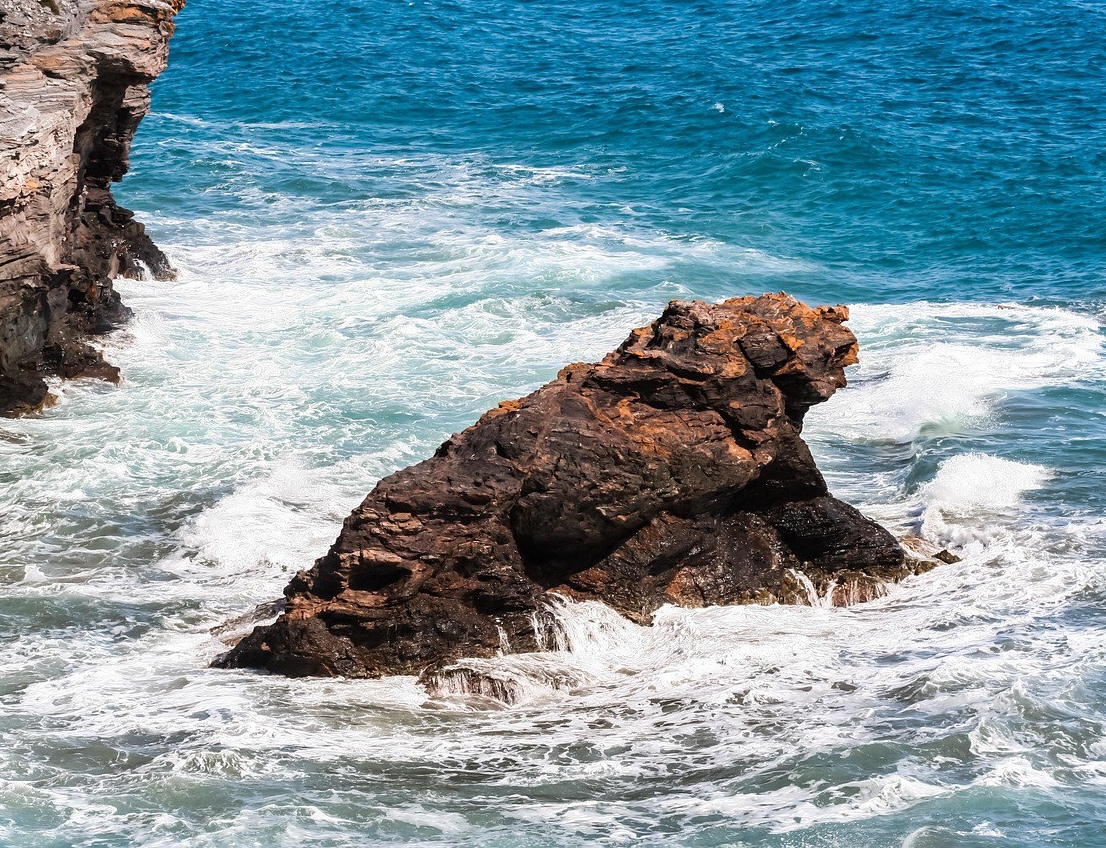
Murcia sits tucked between the glamour of Valencia and the soulful passion of Andalusia like the quiet middle child that everyone forgets to photograph. It is a region defined by contrasts: it boasts a jagged Mediterranean coastline, ancient Roman ruins that rival Italy, and a desert interior that looks like a still from an Arizona Western. Yet, it remains one of the most overlooked corners of the Iberian Peninsula - chronically underfunded, brutally hot, and so consistently ignored by the international travel circuit that most people couldn’t find it on a map without a GPS.
We spent two months in Cartagena and the surrounding coastal villages last spring. We arrived with the expectation of finding a budget-friendly version of Valencia, but we discovered something much more peculiar. Murcia operates with a resigned, sturdy pragmatism - the kind of attitude that comes from knowing you’ll never be the favorite child.
Murcia City: The Capital of the Sun
The regional capital, Murcia city, is a place of grand ambitions and intense heat. The cathedral is a Baroque masterpiece, and the local casino - not for gambling, but for socializing - features a Moorish courtyard so ornate it feels like a dream. But beyond the landmarks, the city lacks the heavy cultural weight of Seville or the economic muscle of the north.
What it has instead is a relationship with the sun that borders on the religious. We arrived in late April, and temperatures were already flirting with 35°C. By mid-summer, 40°C is the baseline. The city follows a strict biological clock: between 1:00 PM and 6:00 PM, the streets are a ghost town. The city hibernates through the furnace of the afternoon and only truly begins to breathe once the sun drops.
For digital nomads in Spain who prioritize a low burn rate over high-society events, Murcia city is a hidden gem. The Spain Digital Nomad Visa is an excellent fit here because your income goes significantly further. You get a functional city with solid fiber internet and €9 lunch specials, though the trade-off is a quieter social scene and a climate that requires constant air conditioning.
Cartagena: 2,500 Years of Salt and Stone
If Murcia city is the administrative heart, Cartagena is the historical soul. It has served as a strategic naval port for over two millennia. The Carthaginians founded it, the Romans mastered it, and the Spanish Navy still guards it today.
The city’s Roman theater is one of the most incredible archaeological stories in Europe. It sat buried under city slums for 2,000 years until it was accidentally rediscovered in 1988. Standing in the center of a 6,000-seat theater accessed through a mountain tunnel gives you a physical sense of history that a museum simply can’t replicate.
When conducting a Spain lifestyle comparison, Cartagena stands out as a “real“ city. It isn’t a polished tourist resort; it’s a working port where grand Modernista architecture from the mining boom sits right next to the gritty concrete of the 1960s.
Explore festivals, fairs, and cultural celebrations across Murcia.
Murcia EventsThe Mar Menor and the Ecological Tightrope
The Mar Menor is Europe’s largest saltwater lagoon, separated from the Mediterranean by La Manga - a 21-kilometer sand spit that was once envisioned as Spain’s answer to Miami. The reality is more complicated. It’s a landscape of high-rise apartments and British expat bars that feels like a development project that peaked in the mid-80s.
The lagoon water is remarkably warm - often compared to bathwater - making it a haven for families. However, the Mar Menor is ecologically fragile. Agricultural runoff has led to serious algae issues, creating a “beautiful but dying“ dynamic that the local government is still struggling to solve. For expats in Spain looking for a sunshine-heavy lifestyle, it offers incredibly cheap real estate, but the environmental future of the lagoon is a factor that shouldn’t be ignored.
Into the Badlands: The Desert Interior
Murcia’s interior is a shock to the system. Once you leave the coast, the Mediterranean greenery vanishes, replaced by “badlands“ and canyons that look like the American Southwest. We drove through the Gebas Badlands in June, a lunar landscape of eroded sediment and absolute silence.
If you are relocating to Spain and want total isolation without sacrificing proximity to the sea, this desert interior is where you find your sanctuary. You can find village houses for €300 a month, provided you have a reliable car and a high tolerance for solitude.
The Costa Cálida: The Coast of Warmth
Murcia’s 250 kilometers of coastline, the Costa Cálida, contains some of the most pristine beaches in the country - many of which are completely ignored by the crowds. Calblanque, a protected natural park, offers dunes and turquoise water without a single hotel in sight.
The best place in Spain to go for an authentic fishing village vibe is Águilas. It’s a working port on the southern border where the seafood is fresh, the beaches are largely empty in the shoulder seasons, and the prices reflect a local economy rather than a tourist one. If you are wondering about the best time to go to Spain to visit Murcia, aim for May or October. July and August are less a vacation and more an endurance test of 42°C heat.
Living the Murcian Reality
The cost of living here is undeniably the lowest of any Mediterranean region in Spain. A couple can navigate a very comfortable life on €1,200 a month. However, the “Murcian Discount“ comes with a “Heat Tax.“ This is the hottest region in Spain; from June to September, the climate is brutal.
Quick Practical Tips:
- Language: Spanish is essential. Outside of the British enclaves in La Manga, English is rarely spoken.
- Infrastructure: The cities are well-connected, but the rural interior requires a car.
- Food: Don’t leave without trying Paparajotes - lemon leaves fried in batter. Just remember: you don’t eat the leaf, only the batter!
Ultimately, Murcia is for the traveler or expat who wants the Mediterranean without the pretense. It is working-class, unpolished, and intensely hot. But it offers a level of affordability and historical depth that the more famous coasts have long since lost. If you can handle the sun and the lack of polish, Murcia offers a version of Spain that feels entirely honest.
Best time to visit: May or October. July and August are less a vacation and more an endurance test of 42°C heat.
Thinking of relocating to Murcia? Set your priorities — climate, cost of living, healthcare, culture — and discover where your lifestyle truly fits best.
Start Life Assessment →