
The Real Spain Travel Guide for 2026: Beyond the Postcards
Spain isn't a secret. Over 96 million visitors came in 2025, and the numbers keep climbing. Barcelona's Sagrada Família, Madrid's Prado, Granada's Alhambra - they're crowded for a reason. But Spain is big. Big enough that we can always find a beach without umbrellas, a village where we're the only foreigners, a bar where the menu's handwritten and the TV's showing a local football match nobody outside the province cares about.
That's the Spain we fall in love with. The one that doesn't perform for tourists. The one that feels like a discovery, even in 2026. So how do we find it? We go sideways.
North vs. South: Two Spains, One Border
Spain isn't one country. It's two, split by climate, culture, and pace.
The South: Heat, Siestas, and the Art of Slowing Down
Andalusia - Seville, Málaga, Córdoba, Granada - runs on sunlight and siestas. When it's 40°C in July, we don't rush. We eat late, nap without guilt, and let the cool courtyards and azulejo tiles do the work of keeping us sane.
Seville in April? Magic. The orange blossoms drop like confetti. The air smells like something we'd bottle if we could. In Triana, a €2 glass of manzanilla sherry comes with a plate of something unordered, because that's just what Triana does. If you're visiting around Easter, our Semana Santa guide covers the processions in detail.
The south is cheaper, warmer, and more welcoming - the kind of place that absorbs strangers instead of tolerating them.
The North: Green, Rugged, and Seriously Underrated
The Basque Country, Asturias, Galicia - this isn't the Spain of flamenco and siestas. This is cold Atlantic cliffs, emerald hills, and rain that keeps everything alive.
San Sebastián is 45 minutes from Bilbao and packs more Michelin stars per square metre than anywhere else. The pintxos bars in the Old Town serve dishes that would cost triple in Paris or London, eaten standing up with a glass of txakoli - local white wine, poured from height to make it fizzy. For a deeper look at Spanish food culture, see our Spain food guide.
Galicia's coast grabs us by the collar. The rías (deep Atlantic inlets) cradle fishing villages where the octopus was in the water this morning. Driving the coastal road north of Vigo, with the estuary spreading below and the light hitting the water just so - that's the kind of moment we don't photograph, because no one would believe it anyway. Turismo de Galicia is our go-to for planning this stretch.
10 Places in Spain That Aren't on Everyone's List
We love Madrid and Barcelona. But if we've been there - or if we're living in Spain and craving something beyond the obvious - here's where we go next. For even more hidden corners of Spain, we have a dedicated guide worth reading alongside this one.
1. Ronda
An hour from Málaga, but worlds away. The town straddles a gorge - the Tajo - with an 18th-century bridge that makes us stop and stare. The old town on the far side feels untouched, like it's been there forever and doesn't care if we notice. Ronda's official tourism site has the best viewpoint tips.
Why we love it: Andalusia without the crowds.
2. Cadaqués
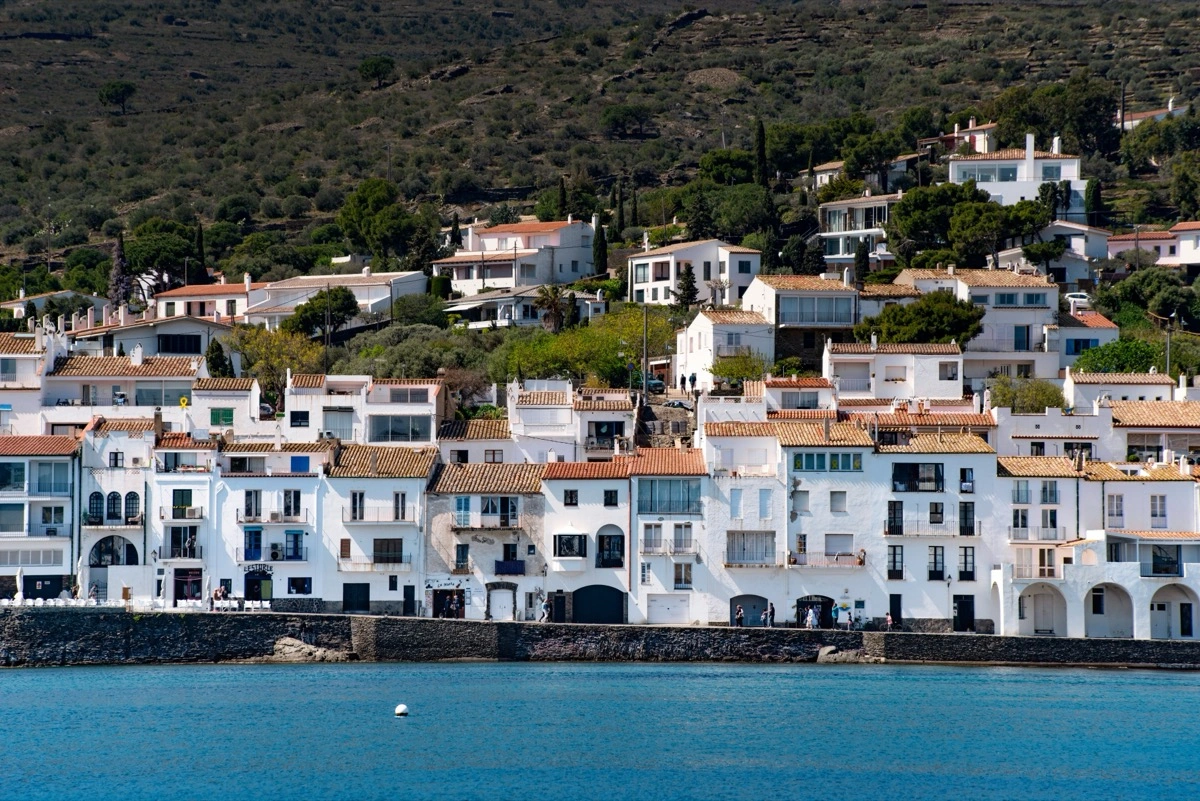
A whitewashed fishing village on the Costa Brava, so remote it's only reachable by a winding mountain road. Salvador Dalí lived here - his house is five minutes from the village centre. The seafood restaurants serve whatever was caught today, with the confidence of places that don't need to impress.
Why we love it: No tour buses. Just light, sea, and time slowing down.
3. Albarracín
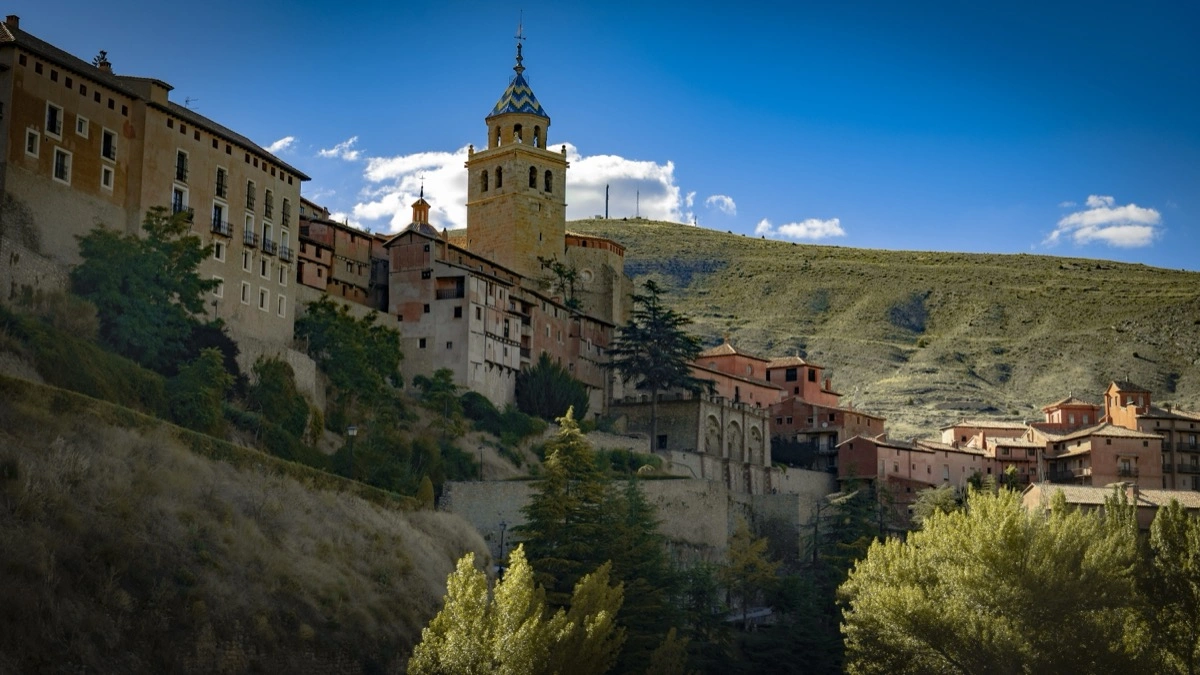
A medieval village in Aragon that photos can't capture - it's smaller and more perfect in person. The pink-red stone glows at sunset, and the streets twist like they were laid out by someone who'd had too much wine. Turismo de Aragón is the best resource for this region.
Why we love it: Aragon's best-kept secret.
4. Cudillero
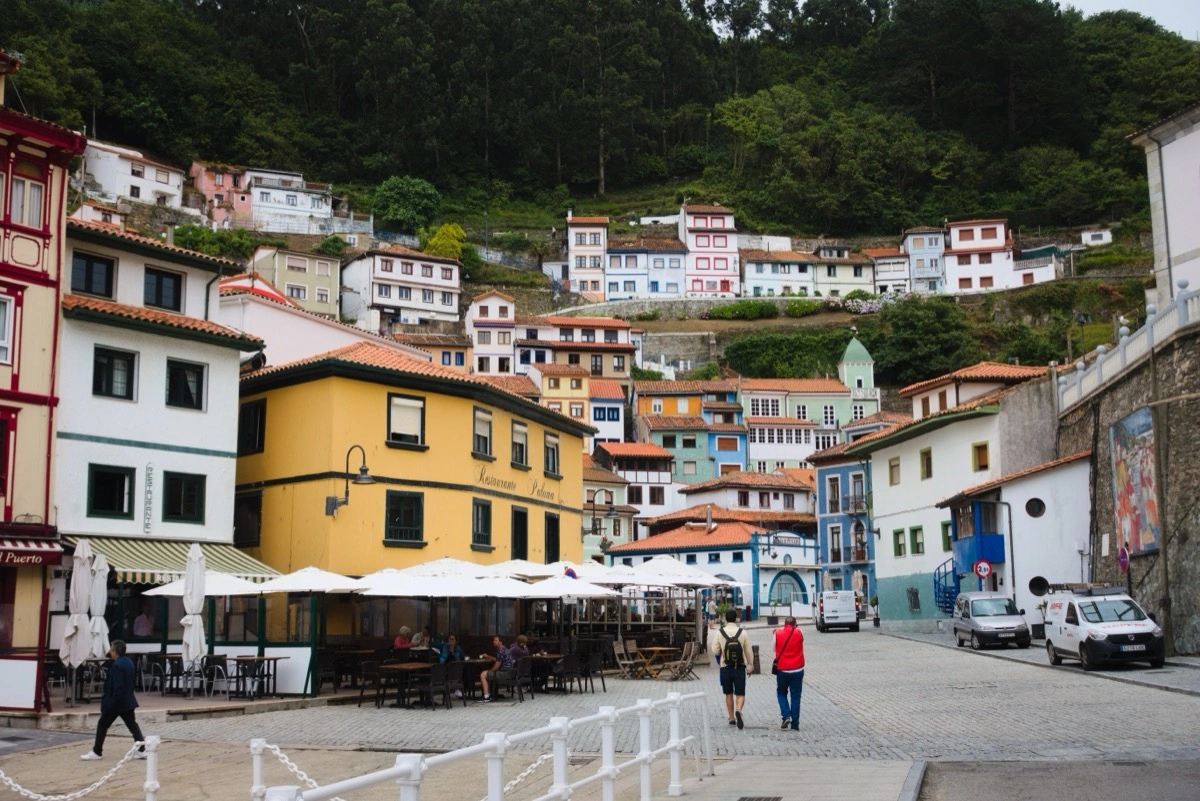
An Asturian fishing village where the houses climb the hillside in yellow, blue, and terracotta. The sidra (cider) is poured from height - astringent, cold, perfect with fabada asturiana (hearty bean stew).
Why we love it: A postcard come to life.
5. Hondarribia
On the French border, near San Sebastián, but without the crowds. The old town is walled and quiet, the pintxos are just as good, and the price tags are smaller.
Why we love it: Basque Country, minus the tourist crush.
6. Frigiliana
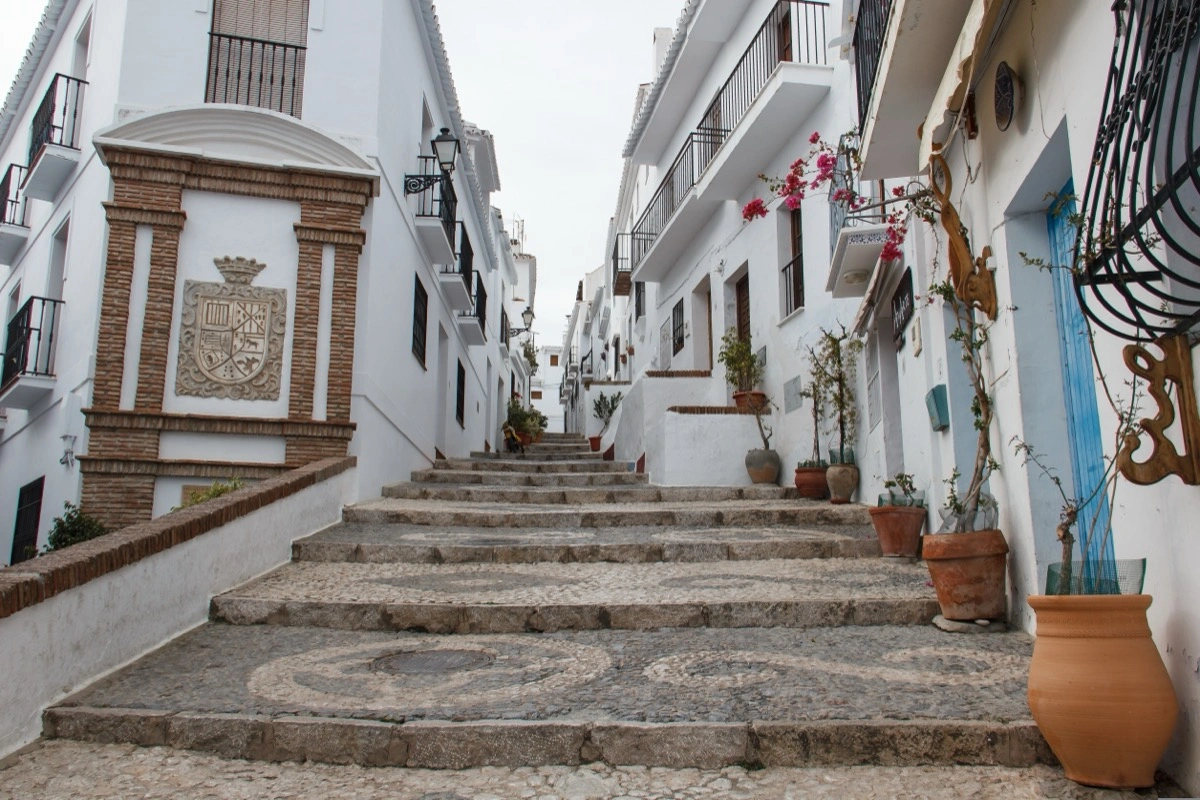
A white village above Nerja, with lanes too narrow for cars and views of the Mediterranean that make us forget to breathe. The Moorish influence is everywhere - tiled courtyards, arched doorways.
Why we love it: Andalusia's answer to Santorini, without the Instagram hordes.
7. Aínsa
A medieval town in the Aragonese Pyrenees, perched above two rivers. The mountains here are serious - the kind that make us feel small in the best way. The plaza bars are sunny and unpretentious.
Why we love it: For hiking, or for doing nothing at all.
Thinking about making Spain your home? Take a life assessment to find out which Spanish region fits your personality and lifestyle best.
Start Life Assessment →8. Sanlúcar de Barrameda
Where the Guadalquivir River meets the Atlantic, on the edge of Doñana National Park. This is manzanilla sherry country - lighter, saltier, more marine than any other sherry. We drink it cold, with grilled langostinos from the estuary, watching the river turn gold at sunset. Sherry Wines has the best list of bodegas to visit.
Why we love it: A perfect afternoon, every time.
9. Girona
Barcelona's quieter, prettier cousin - just 38 minutes by train, but worlds apart. The medieval old town sits on Roman foundations, the Jewish Quarter is one of Europe's best-preserved, and the restaurants punch well above their weight.
Why we love it: All the charm, none of the crowds.
10. León
Underrated, inland, historic. The Romanesque frescoes in San Isidoro Basilica are some of the finest in Europe, and the tapas culture is legendary - high-quality, dirt-cheap.
Why we love it: A steal for food and history lovers.
When to Go: The Honest Seasonal Breakdown
The best time to visit Spain depends on what we want. Spain's official tourism site has updated guides for each region. The short version:
- Spring (March–May): Go everywhere. Perfect temperatures, Semana Santa (book early), green landscapes, and shoulder-season prices.
- Summer (June–August): Head north - Basque Country, Asturias, Galicia. The south hits 42°C in Seville. The north stays cool, green, and alive.
- Autumn (September–October): Andalusia, Rioja, Ribera del Duero. Warm but not scorching, wine harvest underway, fewer crowds. September in Andalusia is summer weather without the summer crowds.
- Winter (November–February): Madrid, Barcelona, Canary Islands. Cultural peak with cheaper hotels; the Canaries stay warm while everywhere else goes quiet.
Finding the Real Spain: How to Skip the Tourist Script
Can we still find "authentic" Spain in 2026? Depends on what we mean. If we want untouched by tourism - no, Spain's too popular for that. If we want real daily life - absolutely.
- Hit the mercado, not the supermarket. Every Spanish city has one. Saturday mornings are peak energy - locals shopping, chefs buying ingredients, stories everywhere.
- Eat the menú del día. €10–14 for three courses and a drink. This is how Spain eats. No tourists, just locals.
- Find the bar with the handwritten menu. No English, no photos, no allergens listed? We're in the right place.
- Go into the interior. Castile, Extremadura, Aragon - fewer crowds, older Spain. Lonely Planet Spain has solid road trip ideas for these regions.
- Go to the places that don't perform. After the Alhambra, walk into Albaicín and find a tetería (Moroccan tea house). No agenda, just time.
For expats and digital nomads, this is where the second love affair with Spain starts - beyond the cities, into the interior. If you're thinking about where to settle in Spain, we've mapped out the best regions for different lifestyles.
The Two Spains - and Why We Need Both
The tourist Spain and the everyday Spain aren't enemies. They coexist.
The Alhambra is worth the crowds. But the real magic happens when we walk ten minutes into Albaicín, find a tea house, and let the afternoon unfold. The best places in Spain are sometimes the famous ones, visited at the right time, with patience. Sometimes they're the places nobody told us about - found by following a road that looked interesting, or saying yes to an invitation from a stranger at a bar.
Spain in 2026 is still one of the most rewarding countries in Europe. We just have to remember it's bigger than its postcards. So let's go find the rest of it.