
Semana Santa in Spain 2026: What It Actually Feels Like to Be There
We don't see it first. We feel it.
A low, slow beat - like a heartbeat - travels up through the cobblestones, through the soles of our shoes, into our ribs. Then comes the smell of wax: hundreds of candles carried by figures in long robes, their tall, pointed hoods cutting through the dark. The crowd parts, and there it is: the paso, a platform the size of a small room, bearing a centuries-old sculpture of Christ or the Virgin, tilting slightly as the men beneath it - the costaleros - navigate a corner their grandfathers navigated before them.
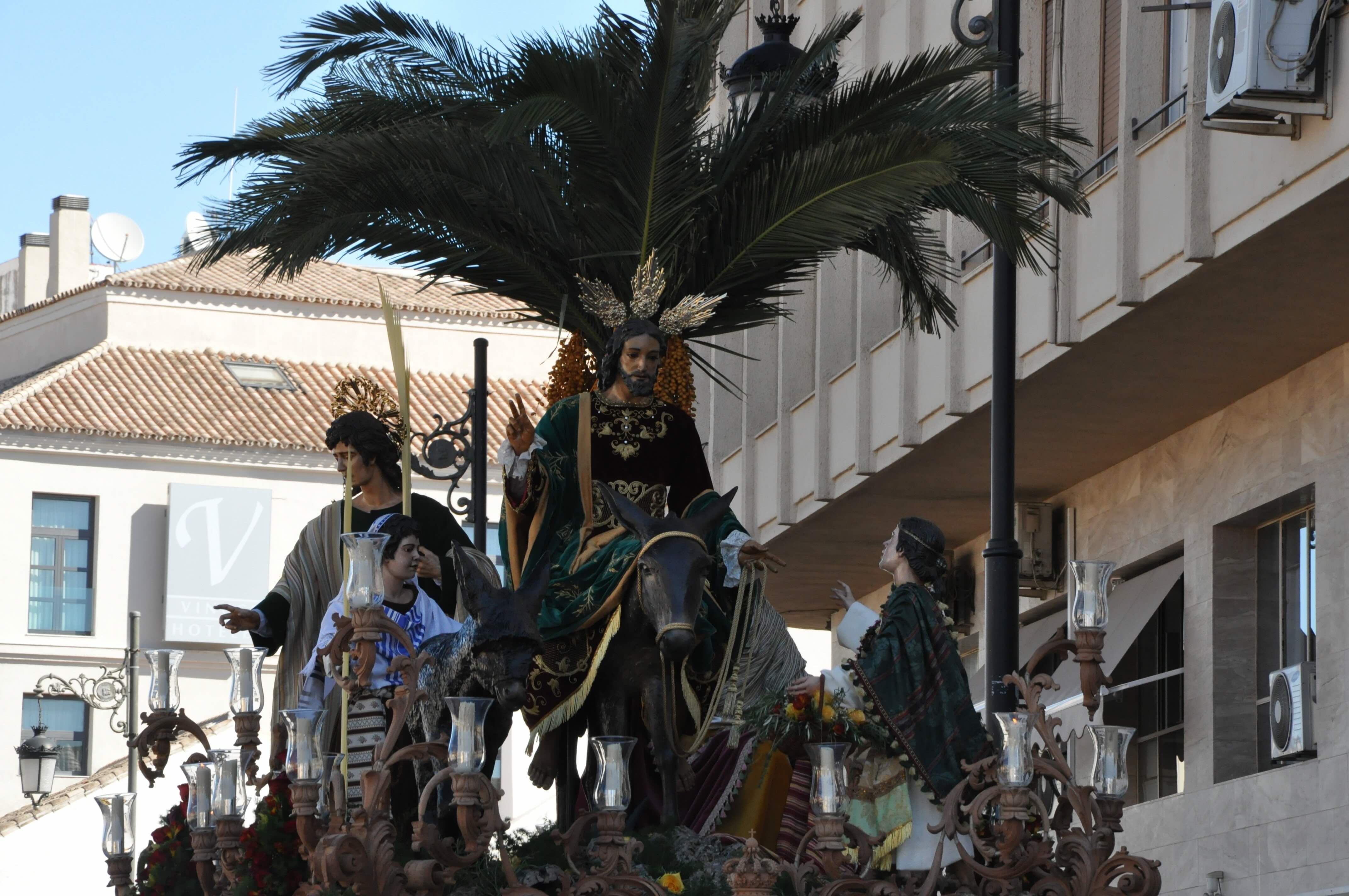
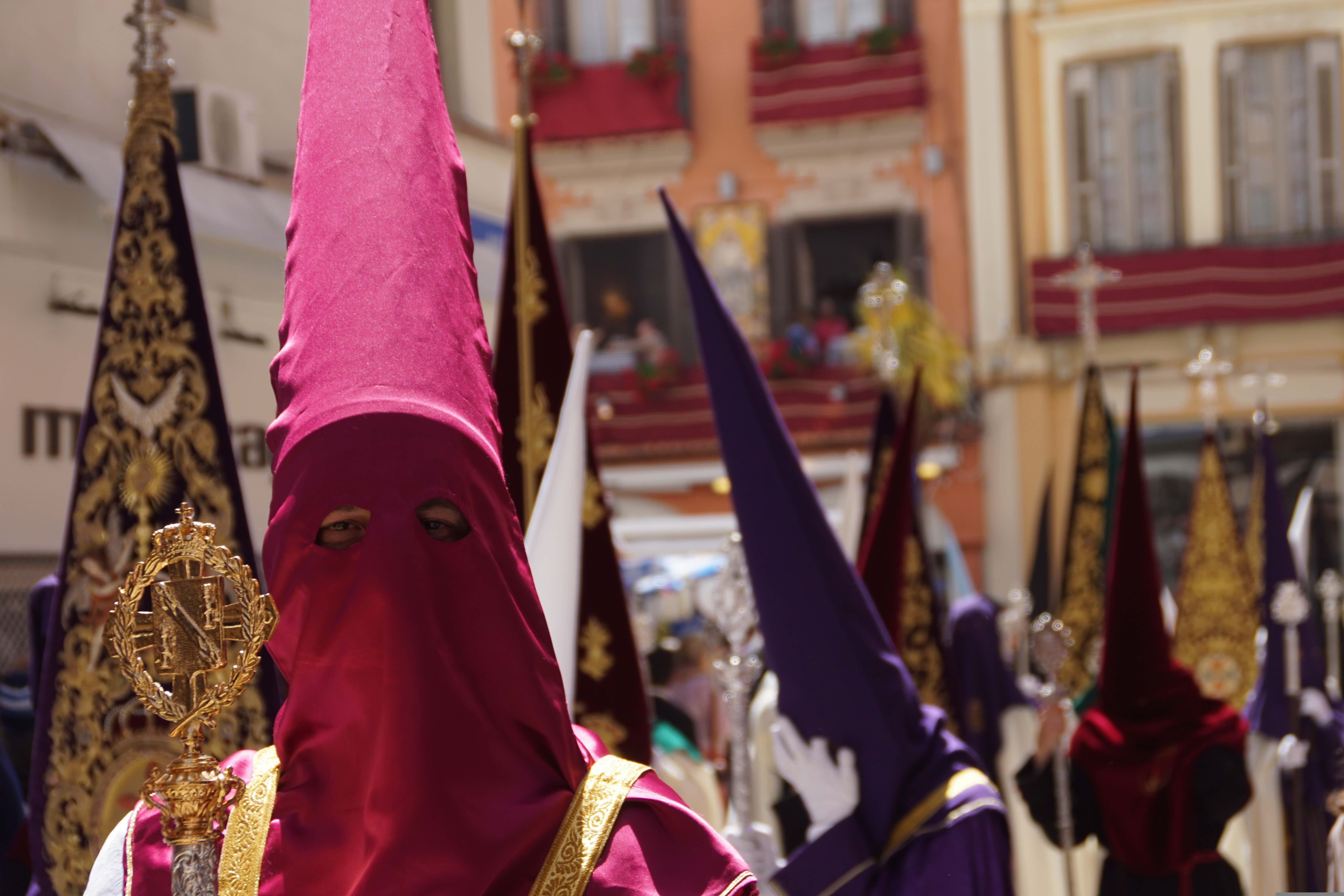
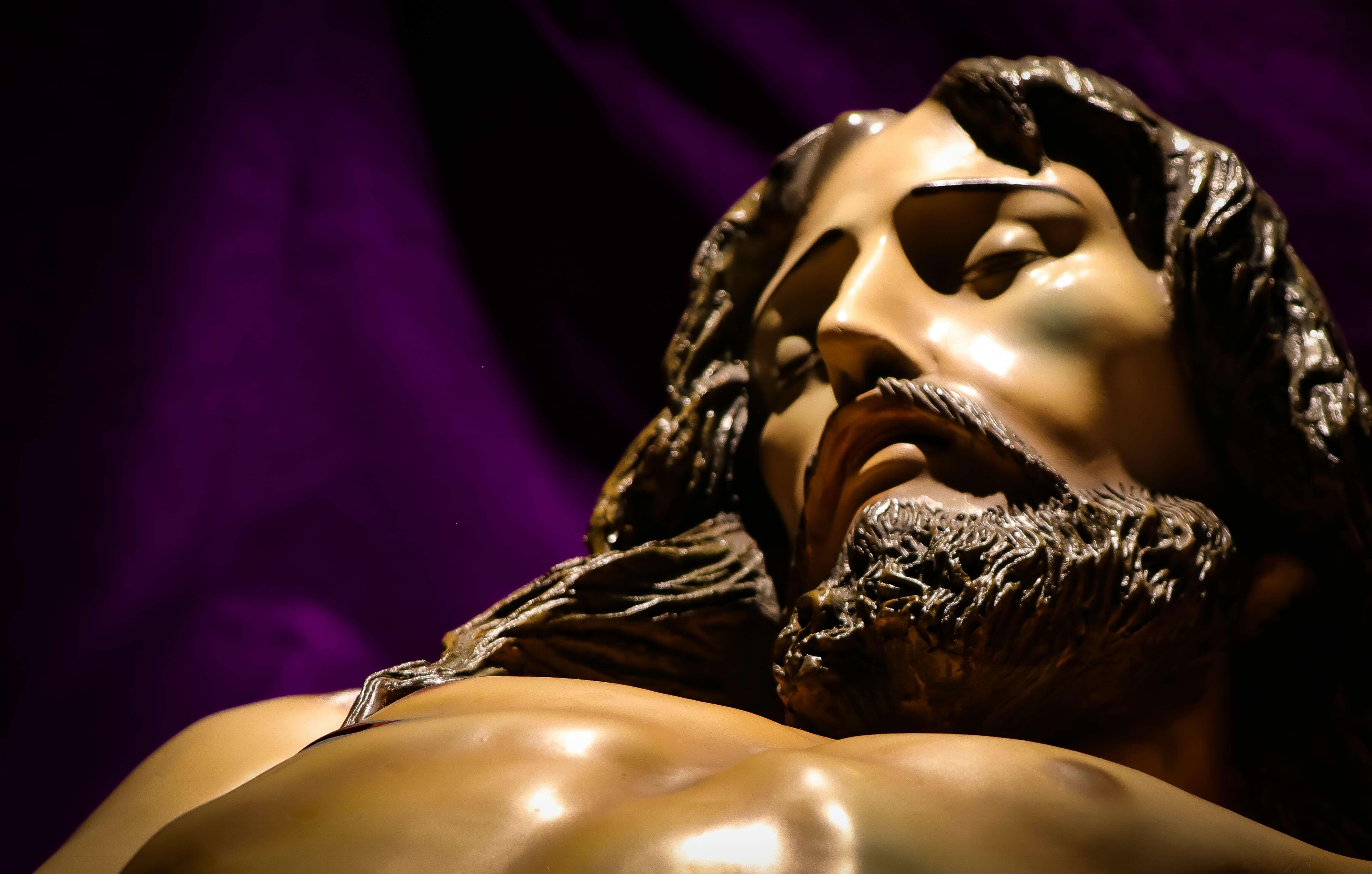
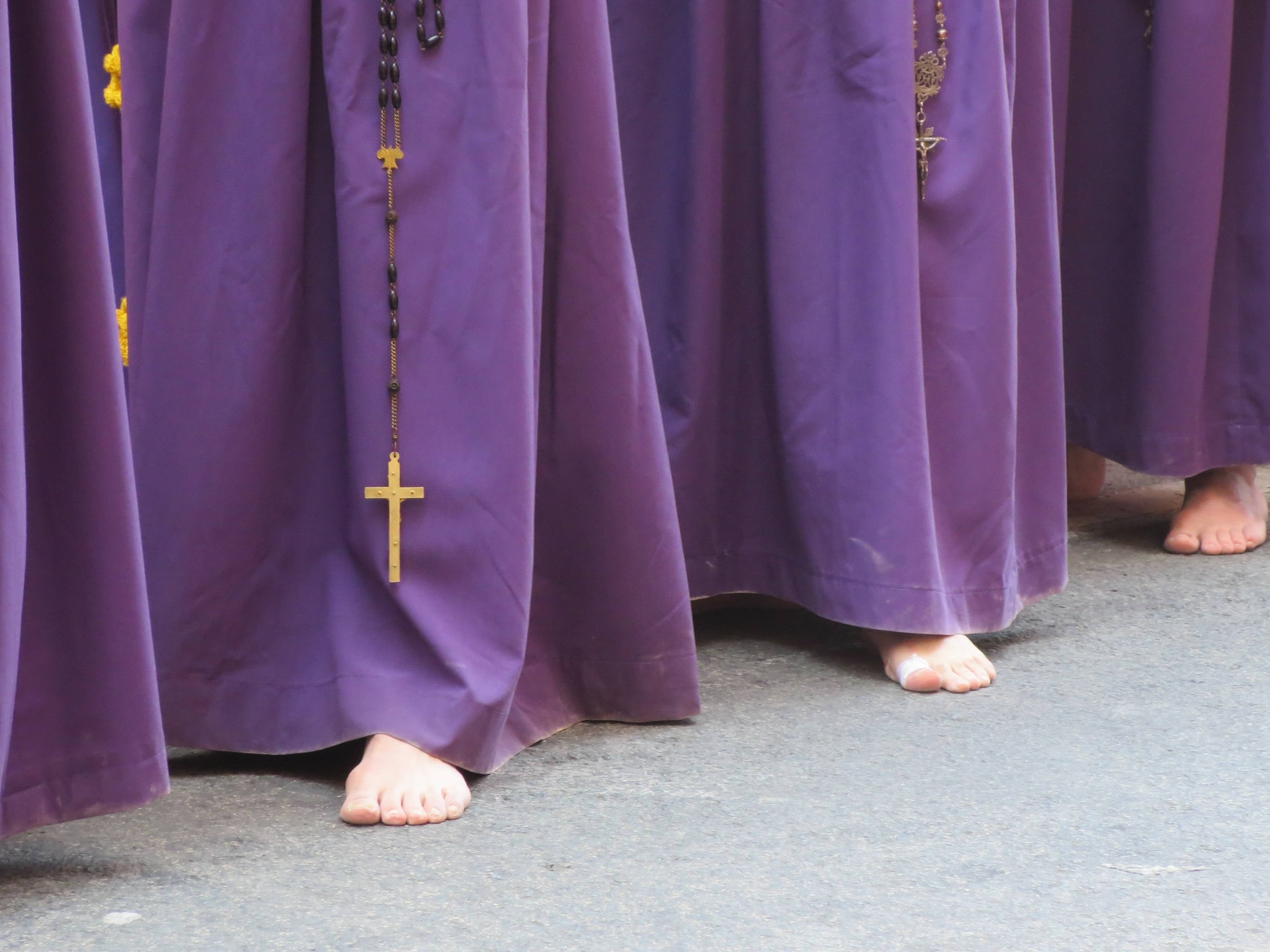
Nothing - not the photos, not the documentaries, not the friend who tried to explain it over wine - prepares us for this. It hits differently in person. Heavier. Slower. More visceral than expected.
In 2026, Semana Santa runs from Sunday, March 29 (Palm Sunday) to Easter Sunday, April 5. If we're thinking about going - and we should be - here's how to do it right.
What Semana Santa Actually Is (And What It Isn't)
Let's clear something up: this isn't Easter egg hunts and pastel colors.
Semana Santa - Holy Week - is one of the most profound, most spectacular public events in Spain. It's street theater, it's faith, it's art, it's history. And it's not just for the religious. Even those of us who don't believe come out for this. Because the scale, the craftsmanship, the weight of tradition - these don't require faith. They require presence.
The Processions: The Heart of It All
Each city's cofradías (religious brotherhoods, some 500 years old) carry pasos - enormous, carved wooden platforms bearing sculptures of Christ or the Virgin - through the streets. These pasos can weigh tons. They're carried by costaleros (bearers) who can't see where they're going. They move by feel, by trust, guided only by the taps of a cane from their foreman.
The nazarenos - brotherhood members in long robes and capirotes (the tall, pointed hoods) - walk alongside, candles in hand. The hoods look medieval, dramatic, even alarming out of context. But in the flickering candlelight of a Seville street at midnight? They're hauntingly beautiful.
And then there are the saetas - spontaneous, flamenco-laced laments sung from balconies to the passing Virgin. When it happens, the crowd stills. The procession stops. For a minute, the whole street holds its breath.
(For the history behind the traditions, Spain's official tourism site breaks it down.)
The 2026 Dates: When to Be Where
Semana Santa shifts with Easter. In 2026, mark these:
| Day | Date | What's Happening |
|---|---|---|
| Domingo de Ramos | March 29 | Palm Sunday - the opening act. Processions in most cities. |
| Jueves Santo | April 2 | Holy Thursday - one of the most intense nights. |
| Viernes Santo | April 3 | Good Friday - the emotional peak. |
| Domingo de Resurrección | April 5 | Easter Sunday - the grand finale. |
The nights to be out? Holy Thursday and Good Friday. That's when the biggest brotherhoods process, when the crowds swell, when the saetas cut through the noise and silence the streets.
(For exact procession times, check Seville's official Semana Santa site.)
Choosing Your City: This Decision Makes the Experience
Spain does Semana Santa differently in every city. Not just in scale, but in mood, in what it asks of us as witnesses.
Seville: The One Everyone Talks About
Seville's Holy Week is the gold standard. Sixty brotherhoods. Over a hundred pasos. Streets so packed on Good Friday that we move with the crowd, whether we like it or not.
The Madrugá - the early hours of Good Friday, from midnight to dawn - is the main event. Standing on a narrow street in Triana at 3 a.m., watching a paso tilt through a doorway just wide enough, guided by a man tapping the frame with a cane - this is the kind of moment we'll tell stories about for years.
But: hotels book up months in advance. The best spots along the carrera oficial (official route) sell tickets. Show up unprepared, and we'll spend Good Friday straining to see over shoulders.
(Book through Seville's official site for route maps and tickets.)
Málaga: Loud, Festive, Military Precision
Málaga's Semana Santa is different. More celebratory, less penitential. The processions here are accompanied by military bands, and on Good Friday, the Spanish Legion marches with its own brotherhood, carrying a Christ figure called El Rico while singing their anthem.
It's loud. It's disciplined. It's unexpectedly moving - especially when those synchronized boots hit the pavement. The vibe is more fiesta than funeral. The crowds are huge, the restaurants stay open late, and the city buzzes with an energy that makes it one of the best places in Spain for those who want spectacle combined with a good time.
Valladolid: For Those Who Want Real Silence
If Seville is opera, Valladolid is chamber music.
Here, the processions are stripped back: no bands, no crowd noise, just the sculptures - some of the finest in Spain, carved by Juan de Juni and Gregorio Fernández in the 16th and 17th centuries - and the silence. People don't talk during the processions. There's no music. The effect is quieter, more unsettling than the full production elsewhere. For anyone who cares about art, history, or the contemplative side of Semana Santa, Valladolid is a must.
Zamora: The Dark, Secret Gem
Zamora doesn't make most Spain travel guides. That's either an oversight or a well-kept secret.
This medieval city - narrow streets, Romanesque churches, a skyline unchanged since the 12th century - holds processions lit only by candles. No electric lights. The figures emerge from the dark and disappear back into it. The silence is total in a way Seville's never is. Harder to reach, fewer hotels, more effort. But the reward? Unmatched.
Valencia: A Different Kind of Procession
Valencia's Semana Santa centers in Cabanyal - the old fishing district by the sea. The processions here move toward the Mediterranean, giving them a setting unlike anywhere else. Walking behind a paso at dusk, the salt air mixing with candle wax, the light bouncing off the water - this is pure Valencia.
(Valencia consistently ranks among the best places to live in Spain, and Semana Santa here shows why.)
Spain's regions each offer a distinct way of life - Seville's warmth and Zamora's quiet intensity draw very different people. If you're wondering which region fits your rhythm, our life assessment can point you in the right direction.
Start Life Assessment →The Traditions to Know Before You Go
Nazarenos and the Capirote
Those robed figures with the pointed hoods? They're nazarenos - brotherhood members. The capirote (hood) identifies their brotherhood by color and design. Each one has centuries of history. It looks intense. In context, it's ancient.
The Costaleros: The Invisible Heroes
Beneath each paso, the costaleros carry the platform on their necks and shoulders, bent double, blind. They move by sound - the taps of a cane from their foreman. Watching them navigate a tight corner - dozens of men, no visibility, just trust and rhythm - is when we understand why people cry.
Saetas: The Unscripted Magic
At some point - not every night, not every procession - someone on a balcony starts to sing. A saeta: a raw, flamenco-infused lament to the passing Christ or Virgin. The procession stops. The crowd falls silent. For a minute, the whole street holds its breath. We can't plan for it. We can't force it. But if it happens while we're there? We'll remember it forever.
Practical Guide: How Not to Waste Your Semana Santa
- Book accommodation now. Seville and Málaga fill up months in advance. If you're checking in January for April, pickings are already slim. Check Booking.com early - seriously.
- Arrive early for the best spots. The best positions along the route go fast. Stand near a turn - watching a paso navigate a corner is the most impressive part.
- Expect street closures. City centers run on procession logic during Semana Santa. Cars disappear. Routes change. Walking is the only way.
- Dress for late nights and unpredictable weather. Late March in Andalusia can be warm and golden or cold and wet. Layers, comfortable shoes, patience.
- Eat before the procession. Restaurants near the route fill up. The tapas bars serving montaditos (small sandwiches) and manzanilla sherry from street-side barrels - that's where we want to be at 7 p.m., before we stake out our spot.
- Respect the moment. This is a religious event, even when it doesn't feel like one. Silence during the paso's passing. No flash photography up close. No pushing to the front. The crowd self-regulates.
Is Semana Santa the Best Time to Visit Spain?
Yes. With caveats.
If we want something unlike anything else in Europe, late March/early April is it. The spring weather in southern Spain is perfect: warm days, cool nights, orange blossoms filling the air in Seville. The light in the late afternoon does something to the old stone that photos can't capture.
The catch? Everything is busier, pricier, and more crowded in the big cities. The solution is to head to smaller cities - Zamora, Cuenca, Cáceres - for the same magic with fewer people.
(For a full list of events by city, Spain's official tourism portal has updated info. And if you want to explore what events are on across Spain, our Spain events guide covers festivals by region.)
One Last Thing
There will be a moment - probably late at night, probably on a street we didn't plan to be on - when something stops us.
A sound. A smell. A sculpture passing so close we can see the expression on a wooden face carved 400 years ago.
And we'll think: I didn't expect this to hit like this.
It always does.