
Best Places to Live in Spain 2026: Where to Actually Move (And Why It Matters)
Spain keeps showing up on those "best places to live" lists, and for once, the internet isn't lying to you. You get the mild climate, functional healthcare, and food that actually tastes like it grew in the ground rather than a laboratory. Plus, there is a level of safety here that allows you to walk home at midnight without that constant, nagging need to check over your shoulder.
But here is the reality those shiny listicles won't tell you: Spain isn't a uniform experience. The gap between living in a landlocked powerhouse like Madrid versus a coastal retreat like Valencia or a rain-drenched industrial hub like Bilbao is profound. We have spent the last few years moving between these cities, and the Spain lifestyle comparison between regions is more jarring than most expats realize before they touch down.
This guide is for those of you who are past the "vacation" phase. Whether you are digital nomads in Spain scouting a base, a family planning a permanent move, or a retiree weighing your options, this is about choosing the infrastructure that actually matches your life.

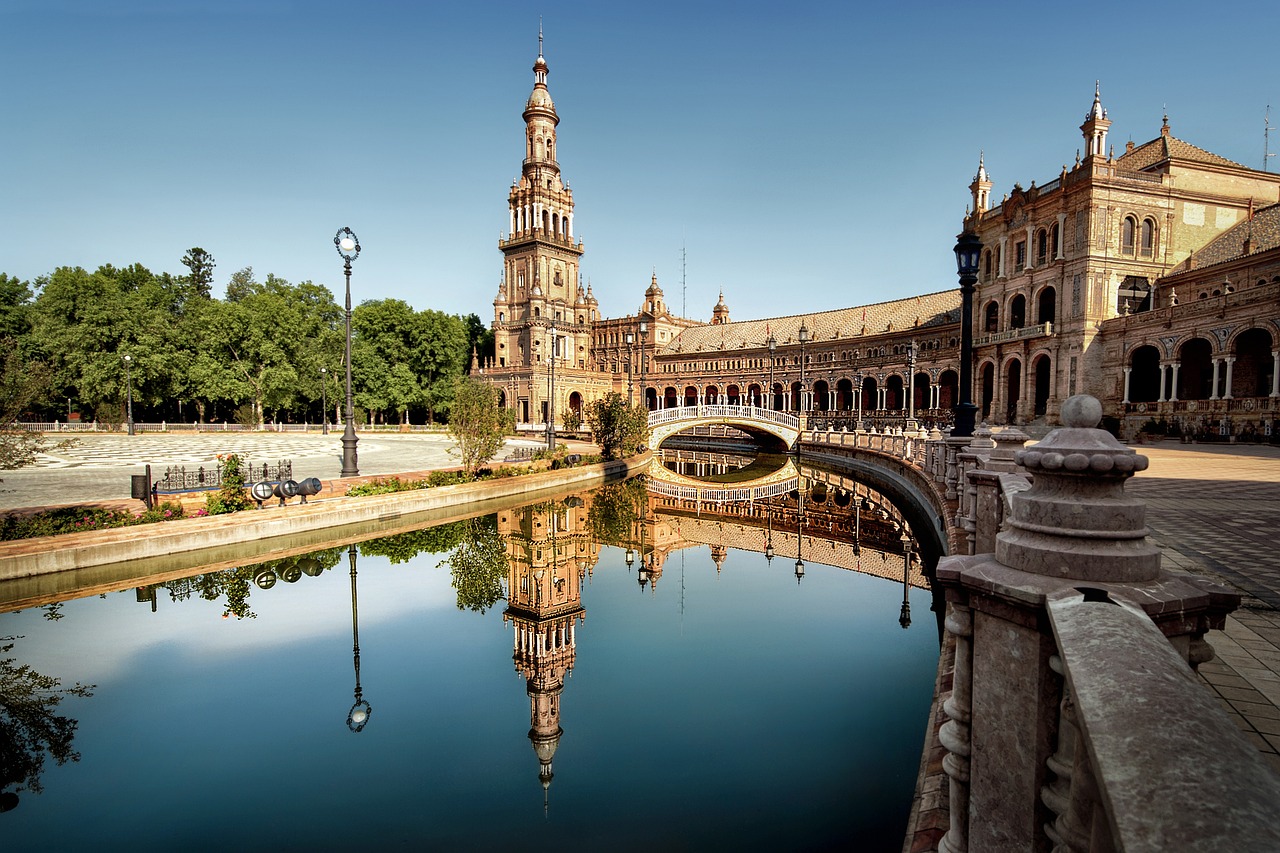

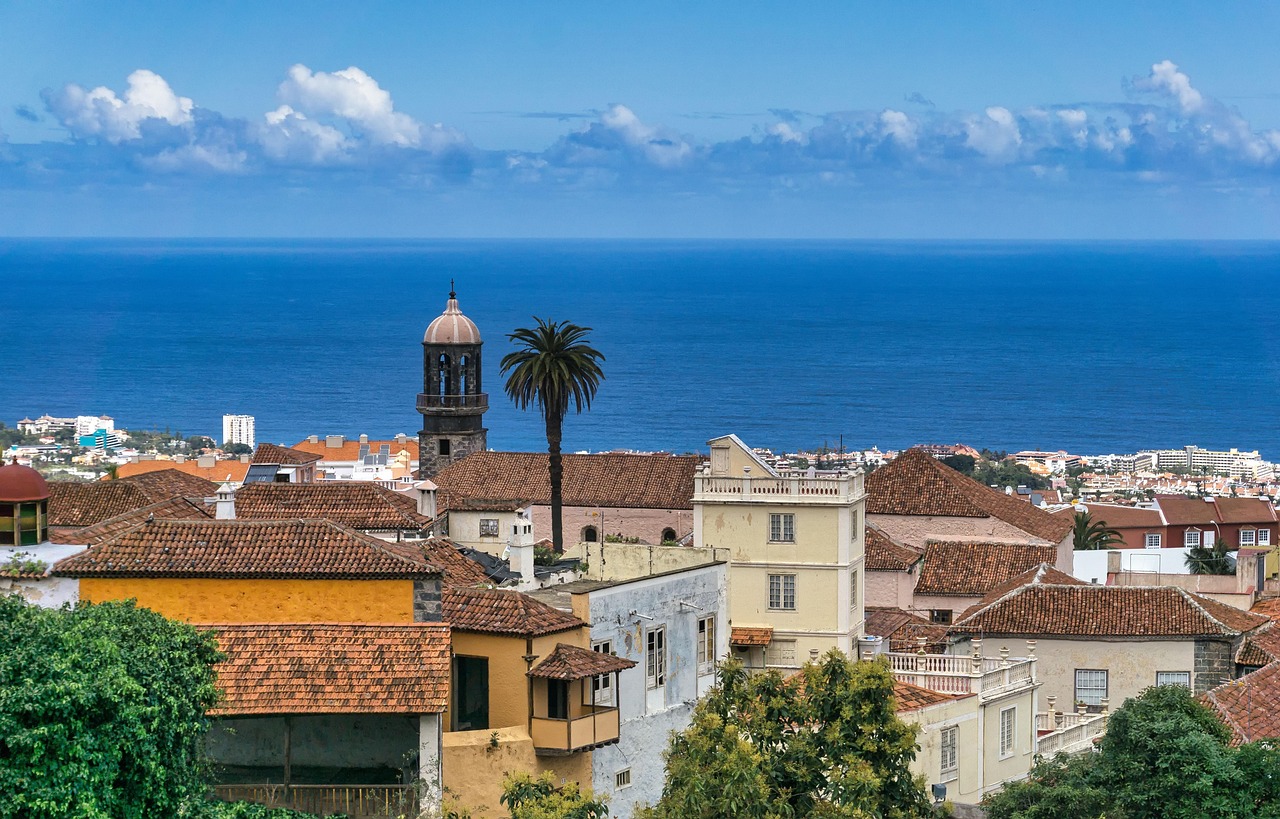
Why Your Choice of City Matters More Than Your Visa
Most Spain travel guides treat the country like a single personality with a few different regional accents. The reality is much messier.
Madrid is a continental European beast - business-focused and career-driven. Barcelona speaks Catalan first and operates with a restless, Mediterranean energy. Valencia is the "sweet spot" city, but with a smaller job market. Bilbao is so fiercely Basque it might as well be a sovereign state. Meanwhile, the Balearic Islands offer an island economy: stunning, expensive, and isolated.
If you are considering moving to Spain, these aren't just "fun facts." They are the daily realities that determine your rent, your social circle, and whether you'll find a job or just burn through your savings. The best places to live in Spain depend entirely on what you're optimizing for: career, cost, or culture.
Madrid vs. Valencia: The Comparison Nobody Does Properly
1. The Job Market Reality Check
If you need an office-based career, Madrid is the only serious answer. It is the financial heart of the country, housing nearly every major international headquarters. Salaries here run 20–30% higher than in regional cities, and the professional infrastructure - the networking, the conferences, the sheer volume of opportunities - is unmatched.
Valencia, by contrast, has a much smaller traditional job market. Remote work is the lifeblood of the expat community here. While the tech sector is growing, it's still in its infancy compared to Madrid or Barcelona. However, Valencia is far more "entrepreneur-friendly." Because the overhead is lower, it's a better place to build your own thing rather than climb someone else's ladder.
2. The Cost of Living (Realistic 2026 Numbers)
We have tracked the numbers, and Valencia remains roughly 25–35% cheaper overall. For a family, that gap compounds into thousands of euros in savings every year.
- 1-bed apartment (center): Madrid €1,100–1,600 | Valencia €800–1,200
- 1-bed apartment (outskirts): Madrid €800–1,100 | Valencia €650–900
- Monthly transport pass: Madrid ~€55 | Valencia ~€40
- Dinner for two (mid-range): Madrid €50–70 | Valencia €40–60
3. Climate: Dry Heat vs. Coastal Humidity
Madrid has four actual seasons. The summer is a dry, 40°C furnace, while the winter can be surprisingly crisp and cold. Valencia is your classic Mediterranean dream: mild winters where it rarely drops below 10°C, and humid summers that are hot but made bearable by the sea breeze. If you hate humidity, Madrid wins. If you hate the cold, stay on the coast.
The Best Hubs for Digital Nomads in Spain
The launch of the Spain Digital Nomad Visa in 2023 changed the game. Here is where the remote crowd is actually landing in 2026:
Barcelona: The Social Heavyweight
- The Pull: A massive international community and a world-class startup ecosystem. You can walk from a co-working space to the beach in ten minutes.
- The Pain: It's expensive and suffers from intense overtourism. The Catalan-first culture can also feel a bit exclusionary if you aren't making a serious effort to integrate.
- The Verdict: Best for extroverts who want maximum networking and don't mind the "Barcelona premium" on rent.
Málaga: The Southern Tech Hub
- The Pull: With 300 days of sun and a new Google campus, Málaga is reinventing itself as a tech capital. It's warmer than Valencia and cheaper than Barcelona.
- The Pain: July and August are brutal. The city is also feeling the pressure of its own marketing, with prices rising faster than the local infrastructure can keep up.
- The Verdict: Perfect for sun-priority workers who want a southern lifestyle with a professional edge. Polo Digital Málaga.
Las Palmas (Canary Islands): The Island Escape
- The Pull: An "eternal spring" climate (20–25°C year-round) and a special tax regime that is very friendly to remote workers.
- The Pain: You are on an island off the coast of Africa. Flights to the mainland are a necessity, and you can feel a bit disconnected from "real Spain."
- The Verdict: Best for those who prioritize outdoor life and stable weather over cultural immersion.
Healthcare and Education: The Pillars of Relocating
If you are relocating to Spain with a family, the "vacation" metrics don't matter. You need to know about the schools and the doctors.
Healthcare: A Genuine National Strength
Spanish healthcare consistently ranks in the global top 10. The public system is free at the point of service for residents and is of exceptionally high quality. However, many expats in Spain pay for private insurance (€40–80/month) to skip the wait times for specialists. Major providers like Sanitas are the standard for the expat community.
Education: Choosing Your Path
- Public Schools: Free and great for immersion, but be aware that in regions like Catalonia or the Basque Country, the primary language of instruction will be the regional language, not Spanish.
- International Schools: Mostly concentrated in Madrid and Málaga. They offer British or American curricula but come with a price tag of €6,000 to €15,000 a year. You can find options via the International Schools Spain directory.
Final Verdict: Where Should You Actually Live?
There is no universal "best" answer, only the answer that matches your specific goals. We have found that the most successful moves happen when people match their city to their actual habits, not their vacation fantasies.
- For Career Advancement: Move to Madrid. It's the only serious professional hub for the long haul.
- For Family Stability: Choose Valencia or the North (Bilbao/San Sebastián). You get better air, better schools, and a slower, safer pace.
- For Networking and Energy: It has to be Barcelona. The sheer density of international talent is unparalleled.
- For Pure Affordability: Look at the Costa Blanca (Alicante region). It's the most affordable Mediterranean option with a massive, supportive expat community.
Still undecided? Set your priorities - climate, cost of living, healthcare, culture - and discover which region of Spain truly fits your lifestyle.
Start Life Assessment →We suggest visiting 2 or 3 cities before you sign a long-term lease. Rent an Airbnb for a month, go to the local grocery store, and see what the commute feels like. Talk to people who have lived there for two years - not the ones who just arrived and are still in the "honeymoon phase." Ask them what annoys them. Only then will you know if a city is truly your home.
Curious about what daily life in Spain actually feels like? Read our guide to Spain as a lifestyle, discover hidden gems and attractions across Spanish cities, or browse our events calendar for local celebrations.