
Spain as a Lifestyle: Why People Keep Coming Back (And Eventually Stay)
Spain isn't just a vacation destination. It's a state of mind. People arrive for a week, leave their hearts behind, and spend years mentally still there. We have watched this pattern repeat for many years. Tourists become repeat visitors. Repeat visitors become part-timers. Part-timers start researching moving to Spain seriously, bookmarking Spain for expats forums, and calculating visa requirements at 2 AM.
Spain isn't perfect. It has economic problems, bureaucratic nightmares, and infrastructure frustrations that will make you want to scream into a pillow. But something about the combination - the light, the food, the people, the pace - creates a gravity that pulls you back. This isn't a Spain travel guide listing attractions; it's an attempt to explain why living in Spain shifts from fantasy to plan to reality.

The Light: Living on the Bright Side
The first thing we noticed arriving in Spain was the light. Most Spanish regions get 280+ sunny days yearly. Even northern areas like Asturias, Galicia, and the Basque Country - while cooler - skip the heavy, gray gloom that grinds down central Europeans for months.
This isn't just trivial tourism board propaganda. Sunlight restructures how life happens:
- The Outdoor Baseline: Social life happens on the street. Café terraces fill even on January afternoons.
- Mood Elevation: Seasonal depression rates drop significantly. Existing here simply feels lighter.
- The "Existing" Factor: Your mood lifts when you're sun-soaked instead of fighting darkness half the year.
For digital nomads in Spain or anyone considering relocating to Spain, this psychological impact compounds daily. It shifts from a "nice-to-have" to a "can't-imagine-going-back."
Food Culture: Eating as Social Architecture
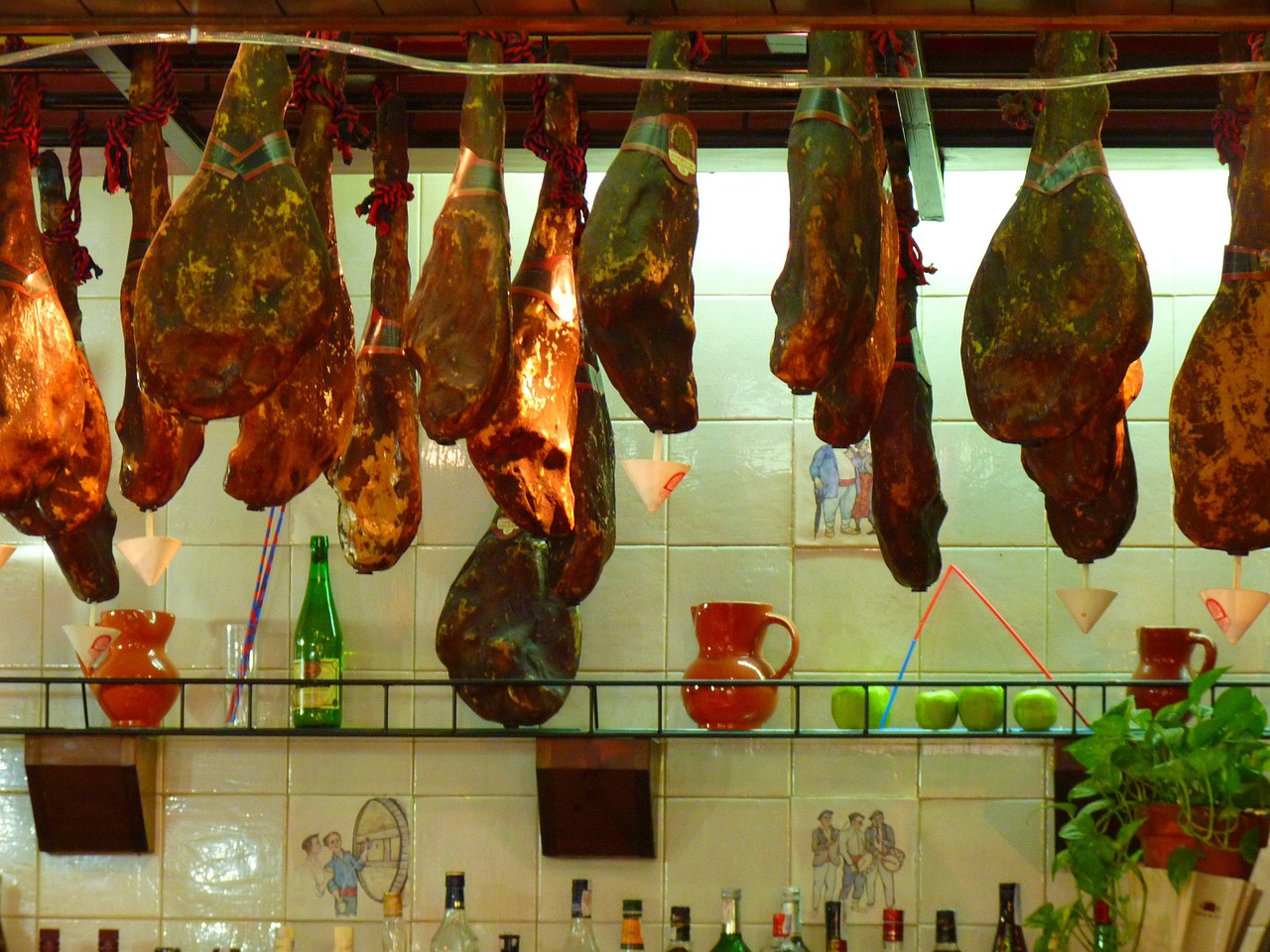
Spain is a country where meals refuse to hurry. Lunch isn't just fuel; it's a two-hour social ritual. We have sat at neighborhood tables in Madrid where the waiter brings a second carafe of wine without asking, just nodding as we thanked him. That casual generosity - the assumption that meals are meant to be enjoyed, not rushed - is woven into the culture.
The regional diversity is staggering:
- Valencia: The birthplace of paella, cooked over open flames.
- Basque Country: Pintxos engineered with a precision that would make a watchmaker jealous.
- Galicia: Pulpo (octopus) so tender it dissolves on your tongue.
- Andalusia: Gazpacho tasting like summer distilled into liquid form.
What matters for foreigners is the "quality-to-cost" ratio. A €12 menú del día gets you three courses, wine, and coffee. This affects the Spain lifestyle comparison significantly; you build relationships over shared tables rather than rushed coffee grabs.
Culture: Traditions That Actually Live
Spain's cultural identity isn't preserved in a museum; it's actively practiced. Whether it's the best places in Spain to go for festivals or the quiet daily traditions, you're invited to participate, not just watch.
We watched a brass band parade through Valencia's old town during Fallas last March. It wasn't a performance for an audience - it was spontaneous participation. The line between observer and participant barely exists here. This accessible culture matters for expats in Spain trying to integrate. Effort is rewarded with inclusion.
Life Rhythm: Balance Instead of the Race
Spain values life outside work. Late dinners (9–10 PM), long conversations over nothing, and Sunday family lunches that stretch for three hours are the norm. Work exists to support life, not the reverse.
- Sacred Time: Vacation time is sacred - August is practically a national "off" switch.
- Communication: Work emails sent after 8 PM are ignored without a shred of guilt.
- Pressure Release: The constant need to "optimize" sits lighter on your shoulders here.
You might earn less in Spain. Career advancement might be slower. But if you measure success by time with family and evenings in plazas, Spain's math starts looking very different.
The Honest View: Real Challenges
We have to be clear: Spain isn't a flawless paradise. To understand the Spain lifestyle comparison properly, you have to look at the friction points that don't make it into the Instagram captions. Here is the unvarnished reality of the hurdles we have encountered while living in Spain.
The Bureaucratic "Maze"
Spanish bureaucracy is a legendary beast. Whether you are applying for the Spain Digital Nomad Visa or just trying to get a local library card, you will encounter the Cita Previa - the mandatory appointment system that often feels like a lottery. We have spent months navigating "paperwork odysseys" where one office requires a document that can only be obtained from another office that is currently closed for a local holiday you didn't know existed. It gets easier as your Spanish improves, but the learning curve is steep, and the "come back tomorrow" culture is very real.
The Economic Paradox
Spain's economy is a study in contradictions. On one hand, the cost of living is significantly lower than in Northern Europe or the US. On the other, the local job market is tough. Expats in Spain who rely on local salaries often find themselves earning far less than they would back home, while facing a higher youth unemployment rate and slower career mobility. This is why digital nomads in Spain are the ones truly winning the system; they bring international salaries to a domestic price market. If you are relocating to Spain without a remote job, you need to be prepared for a very competitive and lower-paid professional landscape.
The Housing Squeeze
Moving to Spain has become a global trend, and that popularity has a price. In the best places to live in Spain - think Madrid, Barcelona, Valencia, and Málaga - rental and purchase prices have spiked over the last few years. This creates a dual tension: locals are being priced out of their own neighborhoods, and newcomers are finding that their "cheap Spanish life" is becoming increasingly expensive. Finding an apartment in the city center has turned into a full-contact sport, often requiring you to have your deposit and paperwork ready the second a listing goes live.
The Integration Wall
Spaniards are some of the most welcoming people we have ever met, but they are also deeply rooted. Many people in cities like Seville or Bilbao have had the same friend group since they were five years old. Breaking into those social circles requires more than just a polite "hola." It requires a serious commitment to the language and a willingness to show up to the same bar or plaza every day until you become part of the scenery. Without that effort, it is very easy to fall into an "expat bubble," which is comfortable but ultimately keeps you from experiencing the real Spain.
Practical Moving Advice
Lots of people fantasize about moving to Spain, but fewer do it successfully. The difference usually comes down to:
- Language Commitment: Spanish fluency transforms you from a tourist into a resident.
- Financial Planning: Budget for a 20% cushion. Remote income or a pension works best.
- Patience: Give yourself six months minimum before deciding if it's "working."
Not sure which region of Spain matches your lifestyle? Set your priorities and let our AI-powered tool find your ideal fit.
Start Life Assessment →Best Time to Go to Spain
- For Scouting: Spring (April–June) is perfect. The weather is stable, and the country is blooming.
- For Reality: Visit in winter. It reveals what life looks like without the "tourist gloss" and perfect heat.
Spain trades economic dynamism for quality of life. Career acceleration for work-life balance. Cold perfection for warm imperfection. That trade doesn't work for everyone, but if you value community over career, Spain might be exactly what you didn't know you needed.
Ready to find out where in Spain suits you best? Read our guide to the best places to live in Spain, explore hidden gems across Spanish cities, or browse our events calendar for celebrations nationwide.