
Eating Your Way Through Spain in 2026: The Food Guide You'll Actually Use
Because let's be honest: we didn't come to Spain for the cathedrals. We came for the moment we sit down at 2 p.m., order whatever's on the chalkboard, and lose track of time over a glass of something cold and a plate of something fried.
Spain in 2026 is still one of the most serious food countries on the planet - and one of the most accessible. We can drop €12 on a three-course menú del día that would cost €40 in London or €80 in New York. Or we can spend €300 at a three-Michelin-starred restaurant in San Sebastián and walk out convinced it was worth every cent.
Why Food Is the Real Reason We're Here
Most Spain travel guides lead with Gaudí, the Alhambra, or the beaches. Respectfully, they're missing the point.
The everyday food in Spain is the extraordinary food.
- The tortilla de patatas that's been ordered at the same bar, at the same hour, by the same regulars for 30 years.
- The croquetas with a shell that cracks like glass and a center so molten it's almost scandalous.
- The gazpacho in Córdoba in August, served in a glass, drunk like water because the heat is unforgiving.
This isn't just eating. This is how Spain lives. And if we're planning a trip, living in Spain, or relocating here, understanding this is non-negotiable.
The 10 Dishes We Have to Eat Before We Leave
Not a tourist checklist. A love letter to the flavors we'll miss when we're gone.
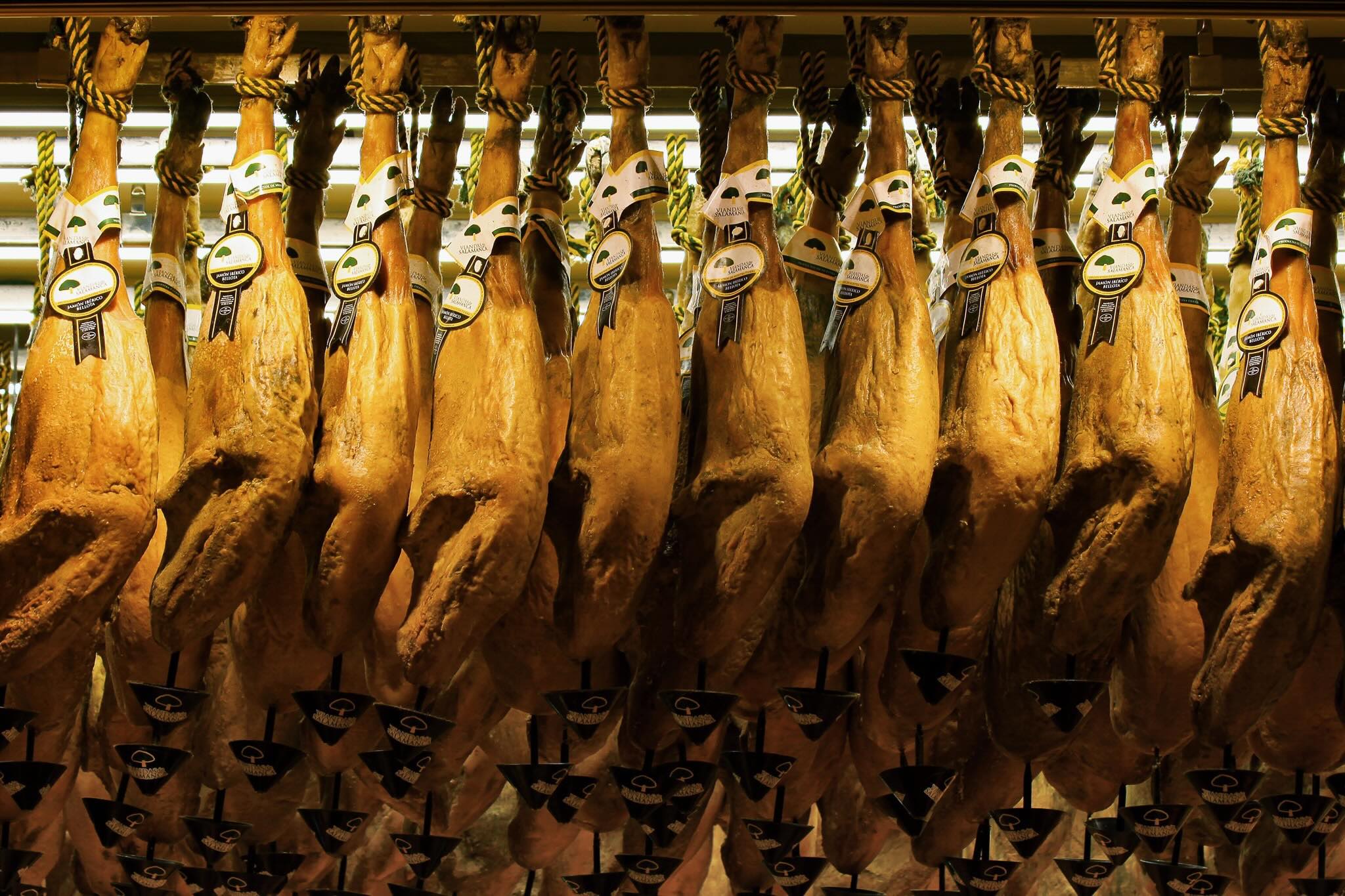
1. Jamón Ibérico de Bellota
Not just any jamón. Jamón ibérico de bellota – pigs raised in oak forests, fattened on acorns, cured for 3–5 years. The fat melts like butter. The salt is present but not aggressive. The flavor is deep, almost meaty-sweet.
Where to get it: A proper charcutéría or a serious bar. Ask for Jabugo – the gold standard. Never accept pre-packaged. For the real deal, Jamón.com is a trusted source for authentic ibérico.
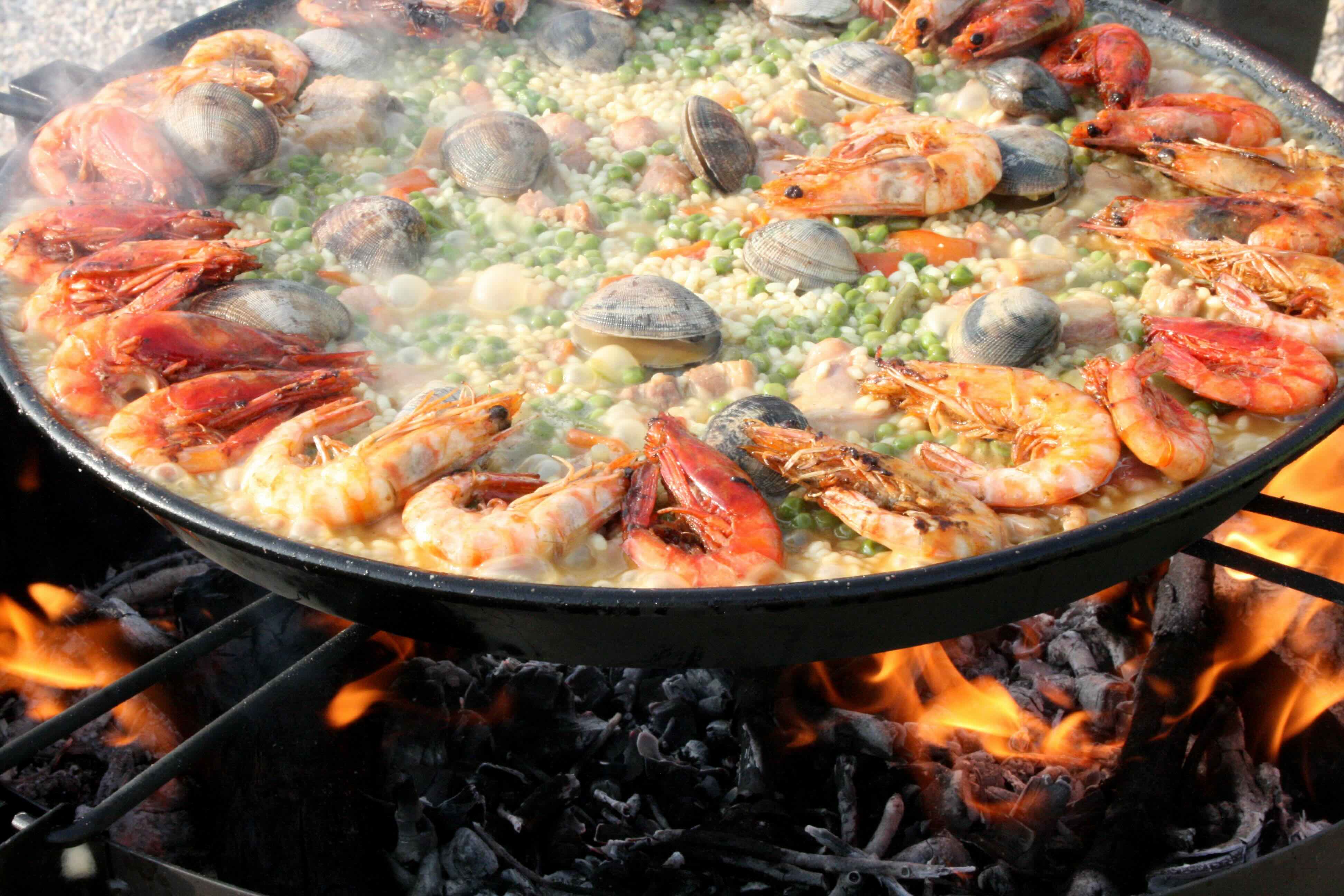
2. Paella Valenciana
Forget the seafood version. The original – from Valencia – is chicken and rabbit, cooked in a wide, flat pan over wood fire, with the socarrat (the caramelized rice crust at the bottom) as the prize.
Where to eat it: Valencia. At lunch, not dinner. Never in a tourist trap. Valencia's official food guide points to the real spots.
3. Tortilla Española
Two ingredients: potatoes, eggs. (Sometimes onion – a debate that divides Spain like politics.) Done right, the interior is barely set, trembling, almost liquid at the center. Done wrong? A rubber disc.
Where to find it: The unassuming bar with locals at the counter.
4. Gazpacho
Cold tomato soup shouldn't work. In Andalusia in summer, when the air is thick with heat, it's everything. Made with ripe tomatoes, bread, olive oil, vinegar, garlic – blended smooth, served ice-cold.
How to drink it: From a glass. Order another.
5. Pulpo a la Gallega
Galician octopus – cooked tender, sliced thin, laid on a wooden board, dressed with olive oil, smoked paprika, coarse salt. Simple on paper. Life-changing in practice.
Where to eat it: Galicia. Preferably in a marisquería by the coast. Galicia's tourism site has the locals' picks.
6. Pintxos in the Basque Country
Not tapas. Pintxos – small, artful bites on bread. Think: bacalao with peppers, crab preparations that take 12 minutes to eat, foie gras on toast with Pedro Ximénez reduction.
Where to go: San Sebastián's Old Town. Bar-hopping here is a sport. The Michelin Guide's Basque Country section is essential reading.
7. Croquetas
The humble croqueta – béchamel-based, crumbed, fried – can be forgettable or spectacular. The great ones have a shell that shatters, a center that's molten, and enough jamón, cheese, or fish to make us close our eyes.
Where to order them: Everywhere. Develop opinions.
8. Patatas Bravas
Every tapas bar has them. Half are worthless. The good ones? Crisp potatoes, spicy sauce (real heat, not decoration), aioli.
Where to find the best: Madrid's La Latina, Barcelona's El Born.
9. Pimientos de Padrón
Tiny green peppers, blistered in olive oil, finished with flaky salt. Most are mild. One in ten is fire. That's the fun.
Where to eat them: Galicia, but they're everywhere.
10. Crema Catalana
Barcelona's answer to crème brûlée – but better. Citrus and cinnamon in the custard, sugar crust that shatters.
Where to try it: A proper Catalan restaurant. If the crust bends, walk out.
Eating by Region: Spain Is Not One Kitchen
Spain's regional food cultures are so distinct it's like eating in different countries.
The Basque Country: Where Spain Goes to Eat Seriously
San Sebastián has more Michelin stars per capita than anywhere else. Pintxos bars operate at a level most cities can't touch. The Michelin Guide Spain covers everything from starred restaurants to Bib Gourmand picks.
Catalonia: Creativity Meets Tradition
Barcelona's food scene is a tug-of-war between Catalan roots (pa amb tomàquet, salt cod) and modern creativity. Eat like a local at Mercat de Santa Caterina – not the Boqueria, which is too touristy. And don't miss cava from Penedès, Spain's answer to Champagne. Penedès Tourism has the best bodega routes.
Andalusia: Food Built for the Heat
Cold soups (gazpacho, salmorejo). Pescaíto frito (fried fish in a paper cone, eaten standing by the water). Fino sherry, served ice-cold from a fridge-cooled bottle. The place to experience it: Cádiz or Sanlúcar de Barrameda. Sherry Wines is the authority on bodegas.
Galicia: Seafood Paradise
Percebes (barnacles), nécoras (velvet crabs), razor clams, oysters – all pulled from cold, mineral-rich Atlantic waters. Head to A Coruña or Vigo.
Valencia: Rice Country
Paella is just the start. Arroz a banda (fish-stock rice), arroz negro (squid ink), fideuà (noodle paella). Eat it at Valencia's Mercado Central. Visit Valencia has the full rice guide.
The Tapas Culture: A Way of Life, Not Just a Menu
Tapeo – moving from bar to bar, eating small plates, drinking slowly – isn't just about food. It's a social ritual.
- In Granada, tapas are free with drinks. Order a beer, get a plate. Order another, get something new.
- In Madrid's La Latina, Sunday afternoons are a city-wide feast.
Rule #1: Never eat tapas at a place with a tourist menu.
Wine Routes: Beyond Rioja
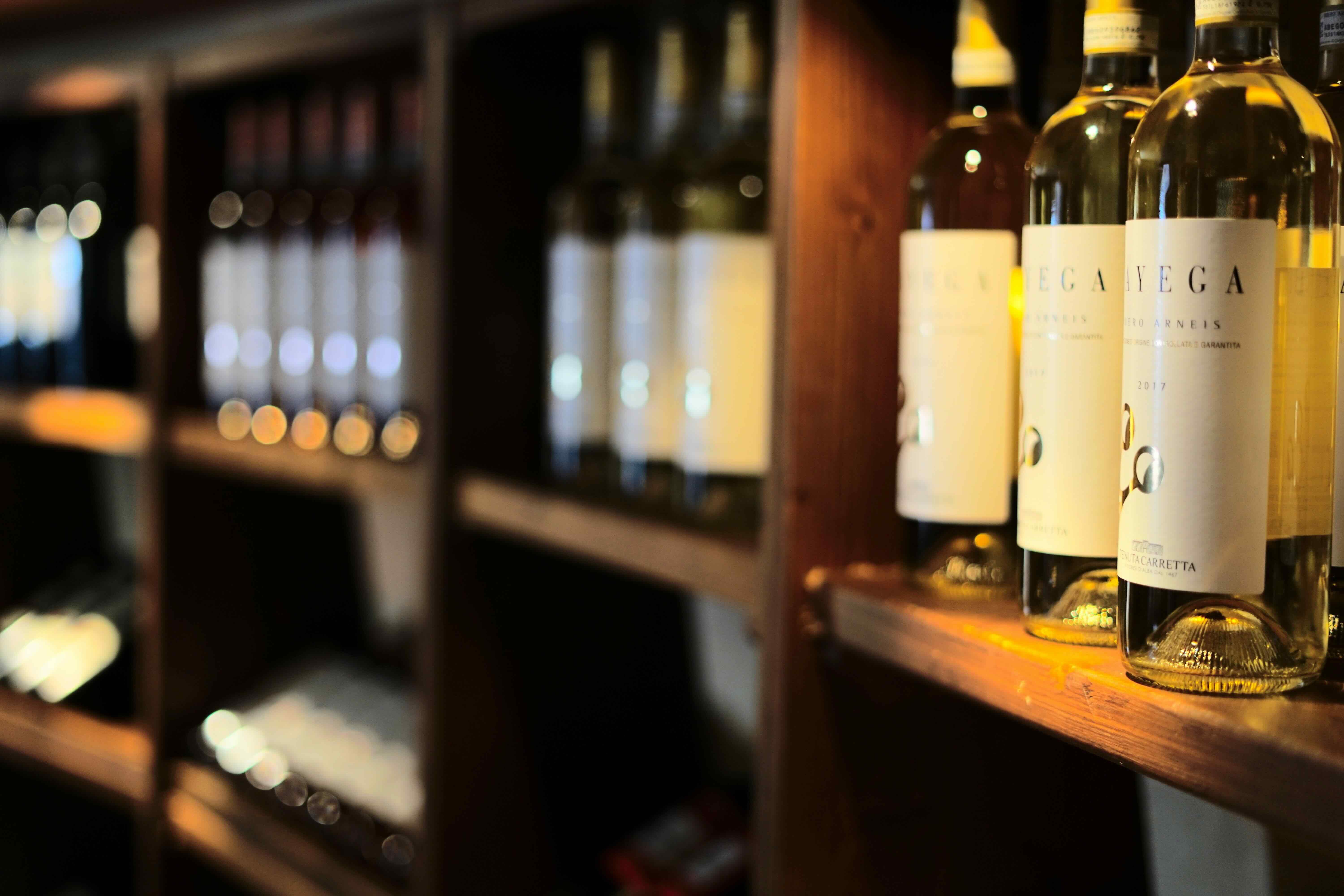
Rioja is the big name, but Spain's wine map is so much bigger:
- Ribera del Duero: Intense reds (think Vega Sicilia).
- Rías Baixas: Albaríño whites – crisp, saline, like the ocean in a glass.
- Priorat: Dense, mineral reds from steep slate terraces.
- Penedès: Cava country (and great still wines).
Pro tip: Rent a car, hit the bodegas. Rioja Wine has route maps.
Spain's food culture varies dramatically by region – the seafood-driven north, the heat-adapted south, the rice-obsessed east. If you're thinking about where to base yourself in Spain, our life assessment can help you find the region that fits how you actually want to live.
Start Life Assessment →The Markets: Where the City's Heart Beats
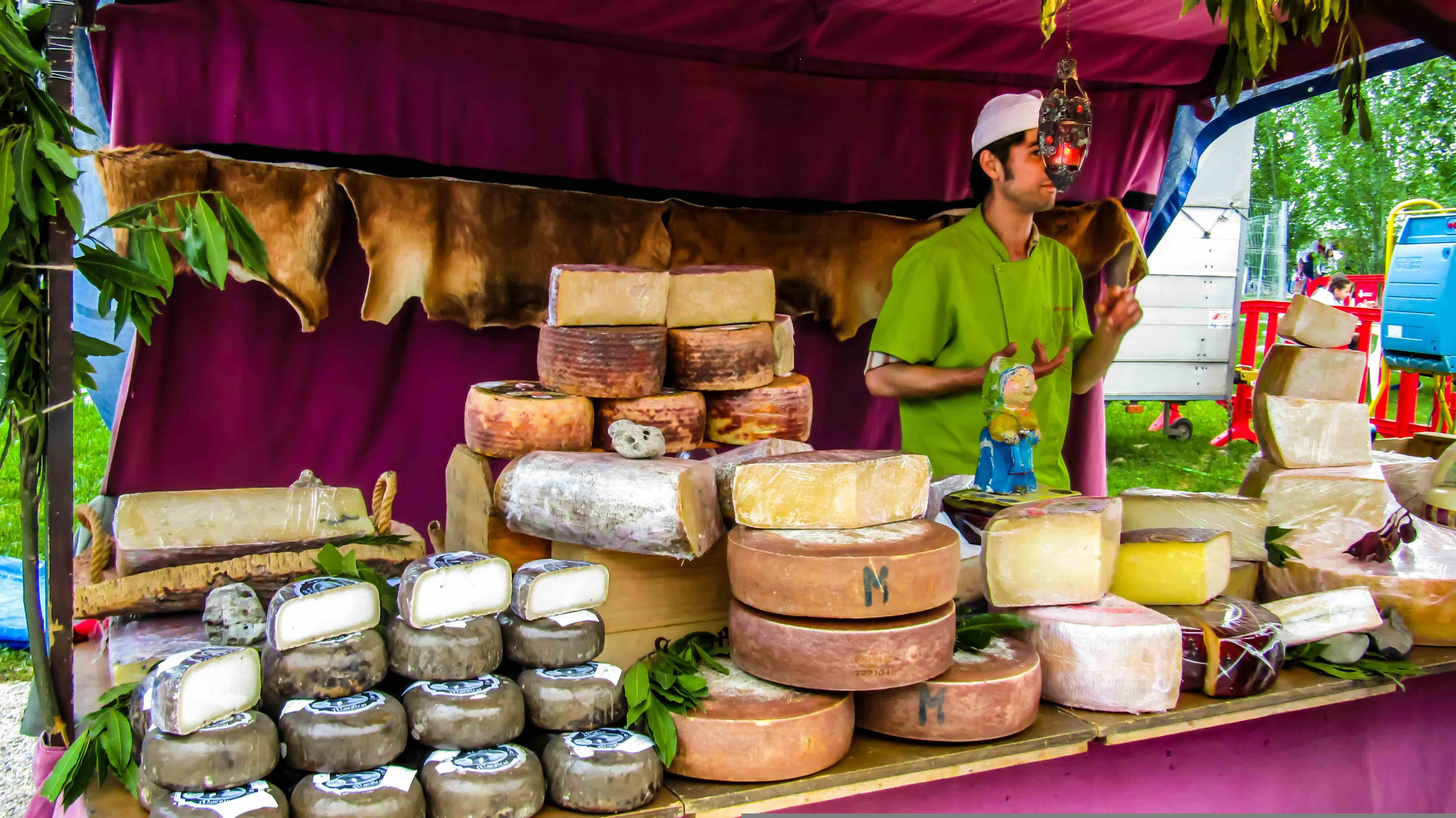
Every Spanish city has a mercado – part food hall, part social hub.
- Mercado de San Miguel (Madrid): Beautiful, but touristy. Great for a glass of wine, not groceries.
- Mercado de Santa Caterina (Barcelona): The locals' market, with a Gaudí-esque roof.
- Mercado Central (Valencia): One of Europe's best – still functional, not just for show.
- Mercado de Triana (Seville): Seville's soul in a building.
Spain's official tourism site has market guides for every major city.
Eating Right: The Unwritten Rules
-
Eat when Spain eats.
- Lunch: 2–4 p.m.
- Dinner: 9 p.m. (earlier is tourist hours).
- Follow the menú del día. €10–14 for three courses and a drink. The best deal in Europe.
- Avoid tourist traps. No photos on the menu. No pre-made paella.
- Book Michelin stars early. Arzak, Mugaritz, Disfrutar – months in advance. Use TheFork for reservations.
- Eat where locals eat. No design concept. Just a handwritten menu and a family running the kitchen.
Final Bite: The Spain Food Philosophy
Spain doesn't do "fine dining" or "fast food." It does food as life – slow, social, unapologetic.
So pull up a chair. Order the menú del día. Let the hours slip by. And when you leave, you'll realize: this is what you came for. Ready to find the restaurants and hidden bars worth visiting? Use our Spain places finder to discover the best spots in any region.