
Foreign Drivers in Spain in 2026: What Nobody Tells You Before You Get Behind the Wheel
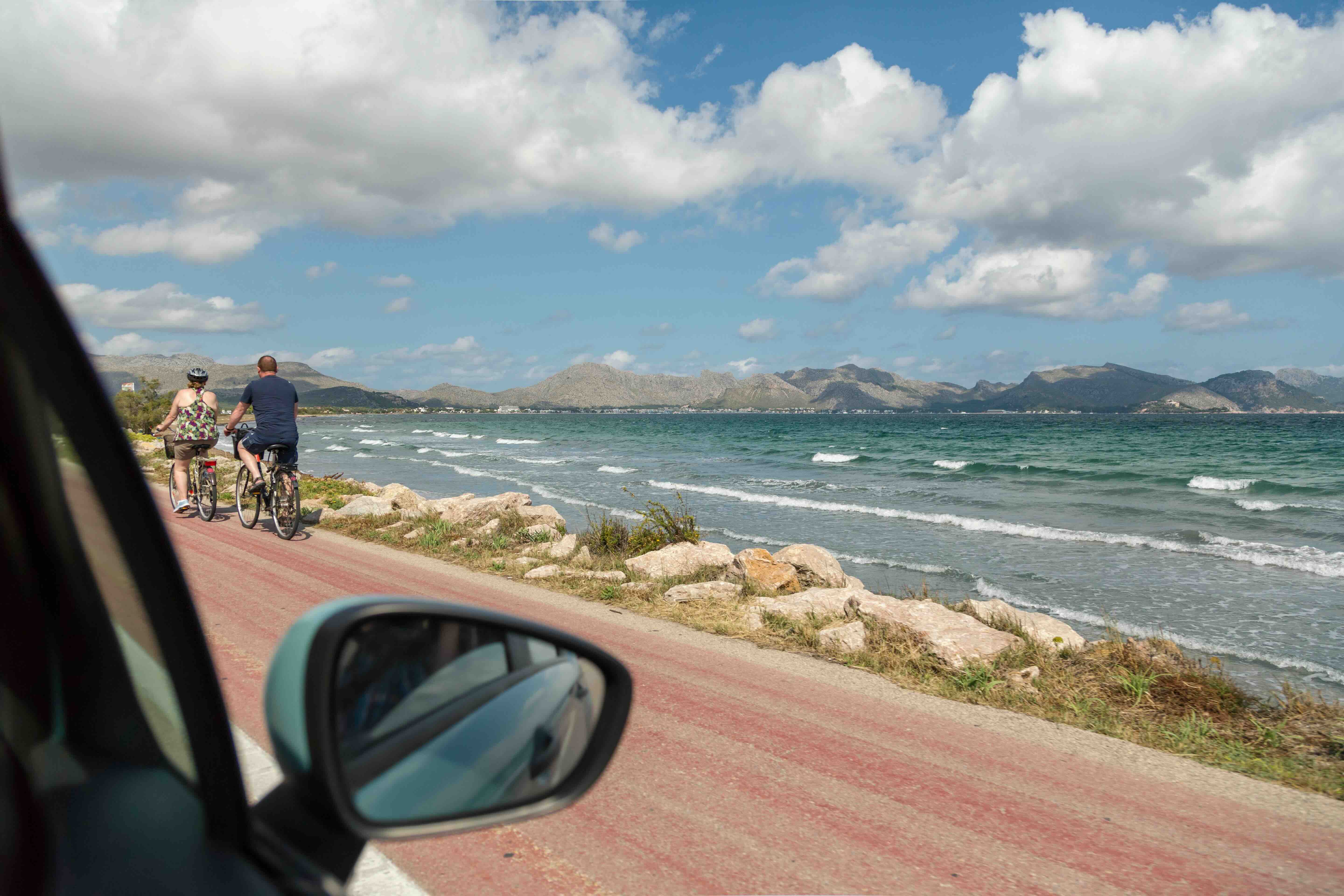
Driving in Spain is genuinely one of the great pleasures of living here. The roads cutting through the interior are fast and empty in a way that makes you understand why people still love cars. The coastal routes that hug the cliffs above the Mediterranean make you slow down not because you have to, but because it would be a shame not to. Outside the major hubs, traffic is light enough that driving feels like a throwback to a less congested era.
However, the rules for foreign drivers, especially those relocating to Spain or spending a long stint here, are strict and occasionally counterintuitive. They are enforced by the Dirección General de Tráfico (DGT), which has become significantly more efficient in recent years. Getting these rules wrong leads to fines, impounded cars, or a bureaucratic registration process that can take months to resolve.



The Six-Month Rule: The Expat Trap
Six months. That is the number to keep in mind from day one. As a tourist, you can drive a foreign-registered vehicle for up to 183 days in a calendar year. Once you cross that threshold, or once you become a tax resident (whichever happens first), driving on foreign plates becomes a legal violation.
- For Tourists: If you are genuinely just passing through, no action required. Enjoy the roads and leave before the 183-day clock runs out.
- For Residents: If you are on a residency permit or spending more than half the year in Spain, you need to re-register the vehicle with Spanish plates. Fines range from €200 to €500, and in cases of deliberate evasion, authorities can impound the vehicle and demand back-payment of taxes.
Registering a Foreign Car in Spain
This process is not fast. Build in several weeks and strongly consider hiring a gestoría (administrative agent) to handle the paperwork. The €100–€200 fee is worth paying to avoid losing your afternoons to government offices that close at 2:00 PM. You can find full documentation requirements on the DGT official portal.
- Get an NIE: Your Spanish tax ID is required for everything.
- The Empadronamiento: A municipal certificate proving your address in Spain.
- The ITV Inspection: The roadworthiness test. For imports, inspectors check European standards, light configurations, and emissions compliance.
- Registration Tax (Impuesto de Matriculación): This varies from 0% to 14.75% based on CO2 emissions. Electric vehicles often pay nothing.
- Municipal Tax (IVTM): An annual charge, usually €50–€200.
Should You Bring a Car or Buy Locally?
Bringing a car from within the EU usually makes sense if it is under five years old and has low emissions. However, bringing a car from outside the EU (such as the US or post-Brexit UK) is rarely worth it. You must add 10% customs duty and 21% VAT on the vehicle's value. For most people, selling at home and buying locally is the cleaner move.
Spain's second-hand market is robust. Platforms like Coches.net or Wallapop give a realistic view of prices in Madrid, Barcelona, or Valencia. Read our guide on buying a car in Spain for a full breakdown of costs, taxes, and the ITV inspection process.
Fines and the Points System
Spain uses a points-based system. Drivers typically start with 12 points (8 for new drivers). Violations chip away at that total.
- Speeding (20–40 km/h over the limit): €300 and 2 points.
- Phone use while driving: €200 and 6 points.
- The 50% Discount: If you pay a fine within 20 days, you receive a 50% reduction. This discount disappears quickly, so set a reminder. Fines can be managed through the DGT fine payment portal.
Low Emission Zones (ZBE)
If you plan to drive into central Madrid or Barcelona, you must navigate the Zonas de Bajas Emisiones (ZBE). These zones restrict access based on environmental labels (etiquetas medioambientales). Older diesel or petrol cars may be banned entirely from city centers. Check your vehicle's eligibility on the DGT environmental labels page before driving in.
Exchanging Your License
- EU/EEA holders: No exchange required. Your license remains valid.
- UK holders: Post-Brexit, residents must exchange their licenses. Check the current bilateral agreement status with the British Embassy in Madrid.
- US, Canadian, and Australian holders: Often required to sit the full Spanish theory and practical test after a certain residency period. Check the DGT international licenses page early. Read our full guide to getting a Spanish driver's license for the complete testing process.
The Bottom Line
Spain rewards the driver who heads for the N-roads through olive country or the Atlantic coast of Galicia. The city driver faces the same traffic chaos you find in any Southern European capital. Get the paperwork right first: understand the six-month rule, exchange or obtain your license before it becomes a legal issue, and then get out of the city. That part is genuinely worth the hassle.