
Buying a Car in Spain 2026: The Real Costs Nobody Tells You About
Buying a car in Spain sounds like a simple weekend project until you are six months into ownership and the annual costs start stacking up. The purchase itself is still relatively straightforward in 2026. Finding the car, negotiating the price, signing the paperwork: this part usually makes sense. What follows is what catches people off guard. The annual circulation tax, the mandatory insurance that often costs more than you budgeted for, and the technical inspections that have a way of finding the one bolt you did not tighten.
Then there are the Low Emission Zone (ZBE) restrictions now active in almost every city with more than 50,000 residents, and parking fees that accumulate faster than you can feed coins into a meter. Most Spain guides skip the gritty reality of car ownership because tourists typically rent vehicles for a week and hand back the keys. But if you are living in Spain long-term, the full economics of vehicle ownership matter enormously. Read our guide on foreign drivers in Spain to understand the registration requirements for your vehicle.
The 2026 Car Market: New vs. Used
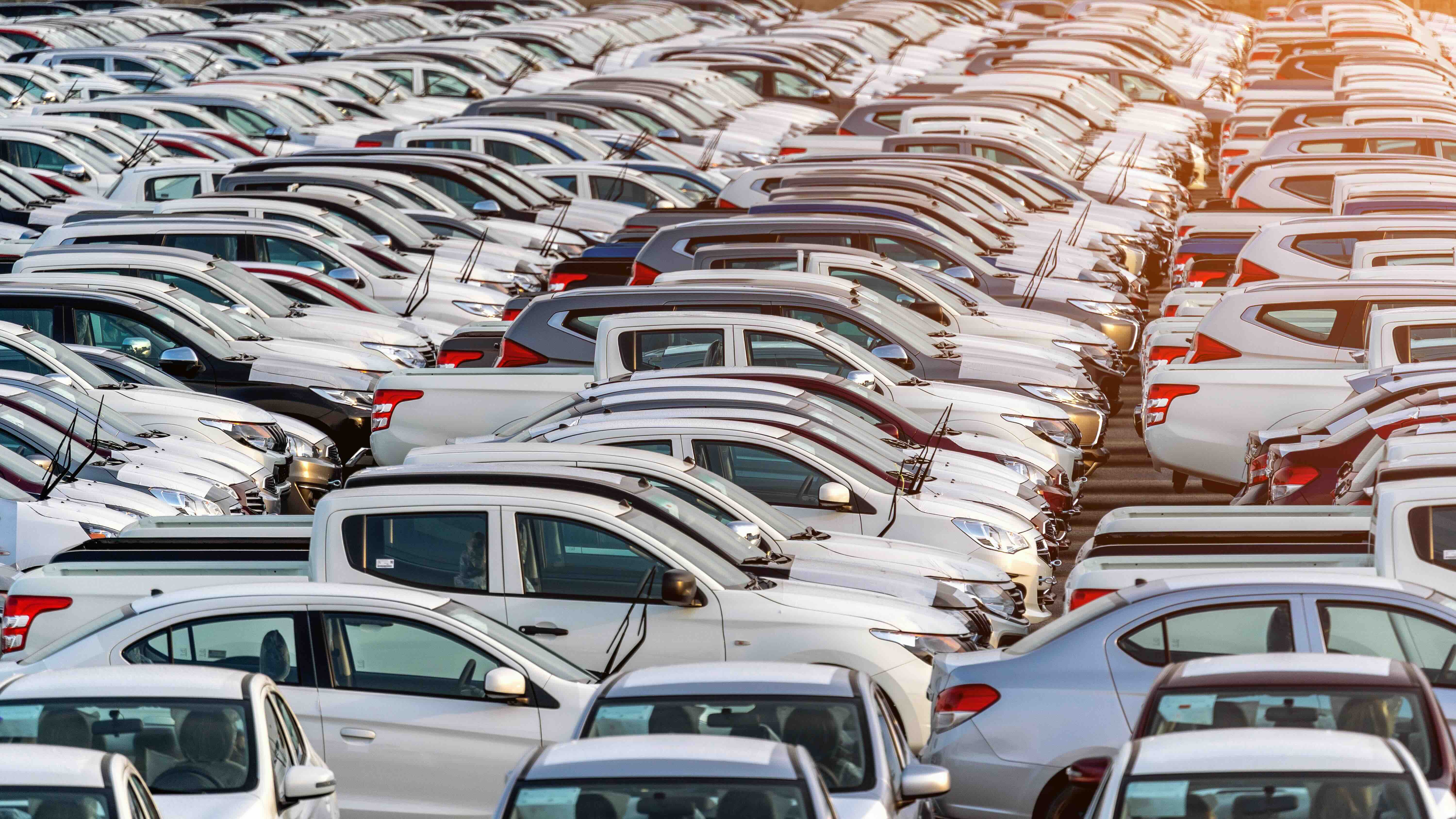
The Spanish car market in 2026 is a study in contrasts. While the average price of a new car has risen to approximately €32,000, the used market has become the fastest-growing in Europe, with most buyers looking for reliable second-hand options between €11,000 and €16,000.
New Car Purchase
A small city car like a Seat Ibiza or Peugeot 208 costs €17,000–€22,000. A family car like the Toyota Corolla or Seat Arona runs €25,000–€32,000. New cars come with full manufacturer warranties of 3–7 years and the best emission labels for navigating ZBE zones. The downside: brutal depreciation. You lose roughly 20% the moment you drive off the lot.
Used Car Purchase
This is where the majority of Spanish households operate. A 3-year-old car with moderate mileage typically holds a value of around €19,000–€20,000 in 2026. Someone else has already paid for the initial depreciation. The risk is hidden history: odometer fraud and undisclosed accident damage are real concerns in the private seller market.
Buying Used From a Private Seller: The Essential Checks
If you are buying from a particular (private seller), you are in a legal minefield without the right preparation. Do not skip these three checks.
- The DGT Vehicle Report (Informe del Vehículo): Never buy a used car without a full vehicle report from the DGT (Dirección General de Tráfico). In 2026, this costs about €15 online. It reveals outstanding fines, any bank lien (embargo) on the car, and the full ITV inspection history. If the car has an outstanding debt, the DGT will not allow the name change until it is cleared.
- The Transfer Tax (ITP – Impuesto de Transmisiones): The buyer pays a transfer tax ranging from 4% to 8% of the vehicle's official fiscal value, which may differ from the price you paid. Each autonomous community sets its own rate. If you buy a car for €10,000 in a 6% region, you owe the tax office €600 before you get the keys.
- The Technical Inspection (ITV): Every car over 4 years old needs an ITV (Inspección Técnica de Vehículos). Cars over 10 years old face this annually. Book your inspection at the ITV appointment portal. Cost ranges from €45 to €70 depending on the region and fuel type. If you fail, you have 15–60 days to fix the faults before a retest.
Annual Ownership Costs: 2026 Reality
For a mid-sized car in a major Spanish city, these are the real annual figures:
| Cost Item | Average Annual Cost (2026) |
|---|---|
| Circulation Tax (IVTM) | €130 (varies by municipality) |
| Insurance (Third Party + Fire/Theft) | €450–€650 |
| Technical Inspection (ITV) | ~€55 |
| Routine Maintenance | €250–€400 |
| Fuel (10,000 km/year) | €1,200–€1,500 |
| Total | €2,085–€2,705 |
If you are relocating to Spain with a foreign license, your insurance will be higher. Most Spanish insurers do not recognize no-claims bonuses from outside the EU, so you will likely be treated as a new driver for the first year. Specialized expat brokers can translate your driving history into the Spanish system.
Low-Emission Zones (ZBE): The 2026 Restrictions
By 2026, the ZBE (Zonas de Bajas Emisiones) have fundamentally changed where you can drive. Any city with over 50,000 inhabitants now restricts access based on your DGT Environmental Label.
- Label A (No Sticker): Effectively banned from the centers of Madrid, Barcelona, Valencia, and Seville.
- Labels B (Yellow) and C (Green): Can enter but often cannot park in regulated street zones unless you are a resident or use a public car park.
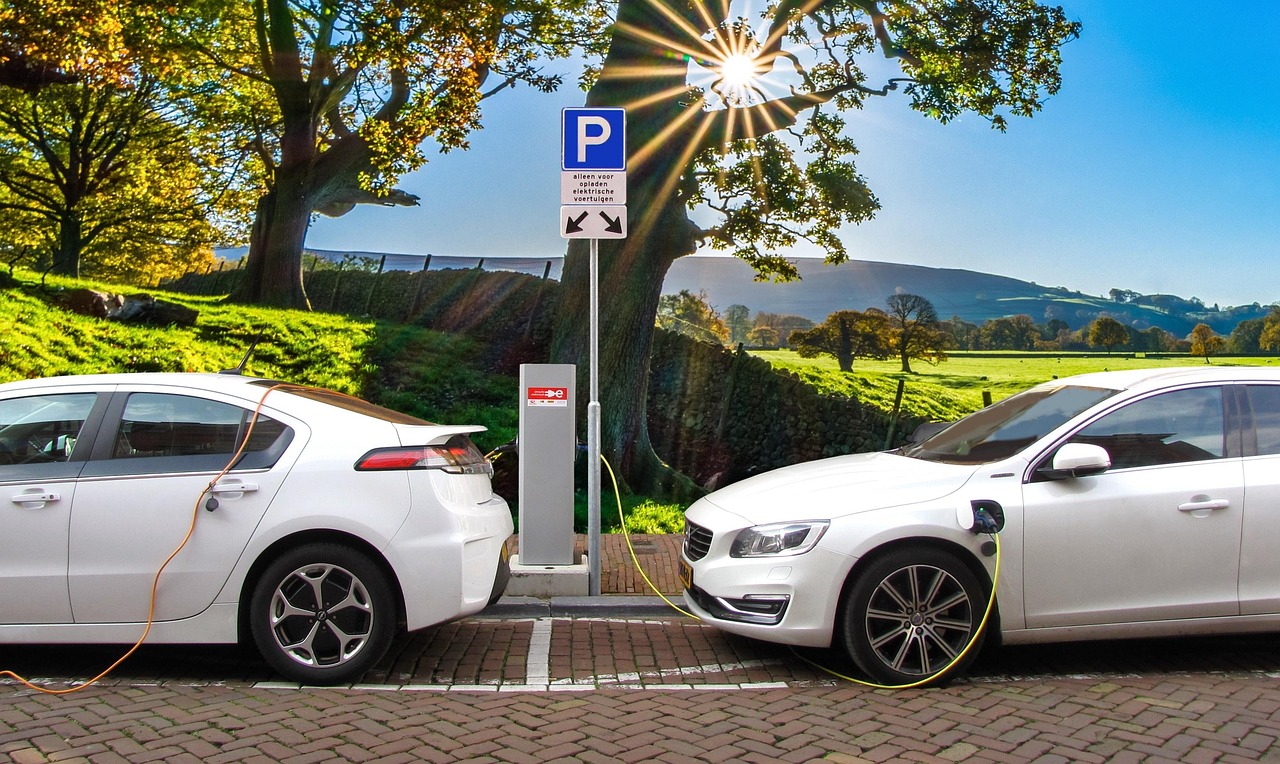
- Labels ECO and CERO: Free or heavily discounted parking and unrestricted access throughout ZBE zones.
- The 2026 Reform: The DGT has tightened the rules this year. Some older ECO vehicles have been reclassified, so verify any car's label status before buying.
Useful Official Resources
- DGT (Dirección General de Tráfico): The central authority for licenses, vehicle registration, and the full vehicle report.
- Agencia Tributaria: Where you or your gestoría pay registration and transfer taxes.
- Correos DGT Services: A fast way to handle name changes and purchase environmental stickers.
- ITV Cita Previa: The portal to book mandatory safety inspections.
Is Owning a Car Worth It?
If you are living in a rural village in Andalucía or a coastal town on the Costa Brava, a car is your ticket to freedom. If you are in the center of Madrid or Barcelona, it is an expensive, restricted, and often unnecessary burden. The best approach for those living in Spain is to buy a car no older than 5 years with at least a C or ECO label. Anything older and you might find yourself owning a very expensive paperweight you are not allowed to drive to your own front door.
Before choosing where to base yourself, read our guide on getting a driver's license in Spain to understand the licensing requirements for your nationality. Find the Spanish region and city where your lifestyle fits best.