
Getting a Driver's License in Spain 2026: The Bureaucratic Journey Nobody Warns You About
Getting a driver's license in Spain is one of those administrative milestones that sounds like a minor footnote but quickly becomes a full-time job. Your foreign license works in Spain until, quite suddenly and without much fanfare, it doesn't. Then you're looking at €500 fines, impounded cars, and the cold realization that moving to Spain involves re-proving you know how to operate a vehicle despite having done so competently for decades.
The rules seem clear on paper: six months maximum after becoming a resident. But then you hit the wall of bilateral agreements, medical centers, and the Spanish driving school grind. Some people exchange their licenses smoothly in three weeks. Others fail the practical exam four times, burning through €1,500 in the process. Read our companion guide on foreign drivers in Spain for the rules that apply before you reach the six-month threshold.
The Six-Month Clock: When the Rules Change
The moment you receive your residency card (TIE), whether on a digital nomad visa, a work permit, or a non-lucrative residency, the six-month clock starts. Continuing to drive on a foreign license past that point carries real consequences:
- The Fine: Usually between €200 and €500.
- Insurance Voidance: If you have an accident, your insurance can refuse to pay because you are technically driving without a valid license. This can result in substantial personal liability.
- Immigration Record: Flagrantly ignoring local regulations during your first year of residency is not a good look on your file.
For the full residency context, read our guide on Spanish residency options in 2026.
Exchange vs. Testing: The Geographic Lottery
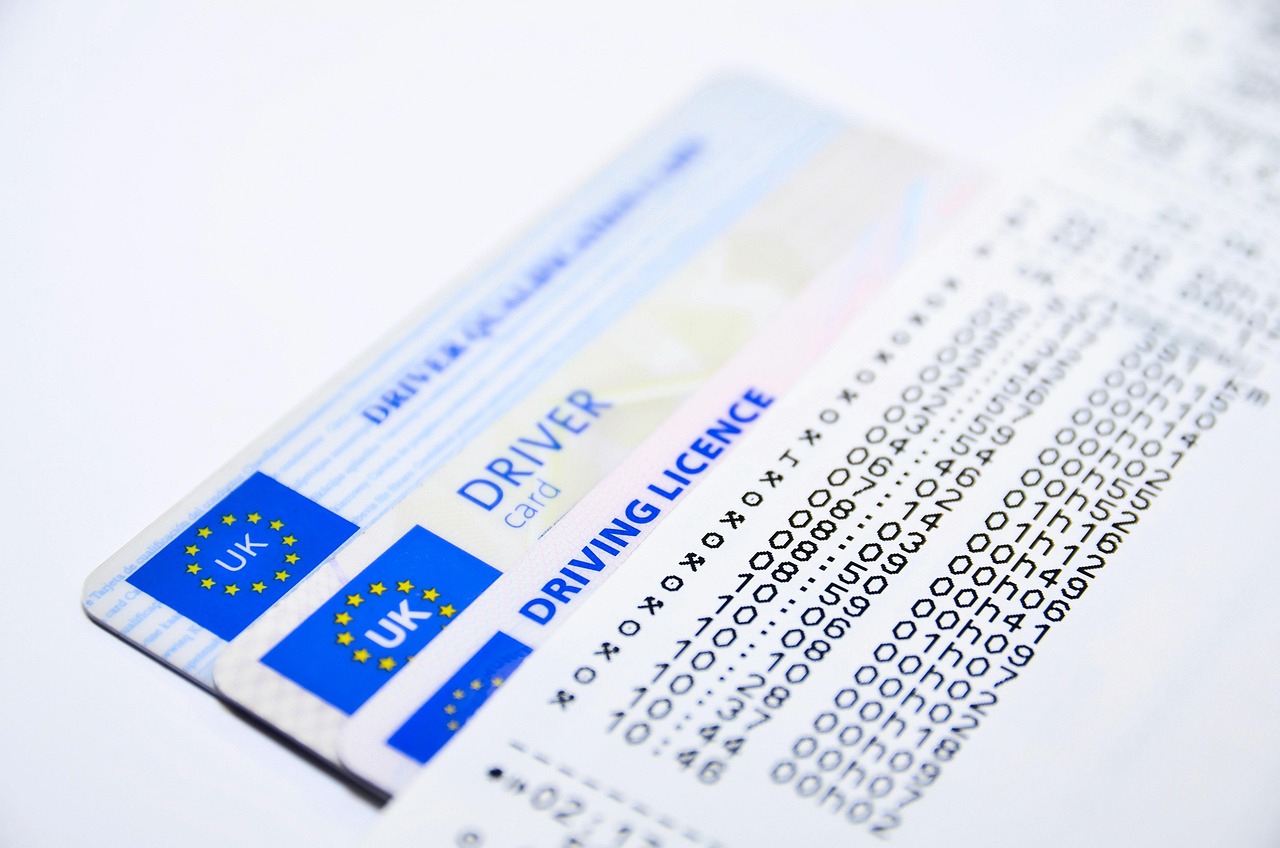
Spain has bilateral agreements with specific countries. If you are from the right country, you simply exchange your old license for a new one. If not, you are heading back to school.
Countries With Exchange Agreements
If you are from the EU, Switzerland, or many South American countries (Argentina, Brazil, Colombia), the process is purely administrative. You will need your residency card, a medical certificate, and an appointment at the DGT (Dirección General de Tráfico).
Countries Without Agreements: The Testing Route
Notable countries that do not have exchange agreements in 2026 include the United States, Canada, Australia, New Zealand, and the United Kingdom (post-Brexit). If you hold one of these licenses, you must pass both the Spanish theory and practical exams. This can take anywhere from three to twelve months depending on the backlog at your local traffic office.
The Medical Certificate
Every driver in Spain, whether exchanging or testing, needs a Certificado de Aptitud Psicofsica. This is not done at your regular GP. You must go to a specialized Centro de Reconocimiento de Conductores. The exam covers vision and hearing, a basic coordination test, blood pressure, and medical history questions. Cost: usually €25 to €50.
The Testing Route: What to Expect
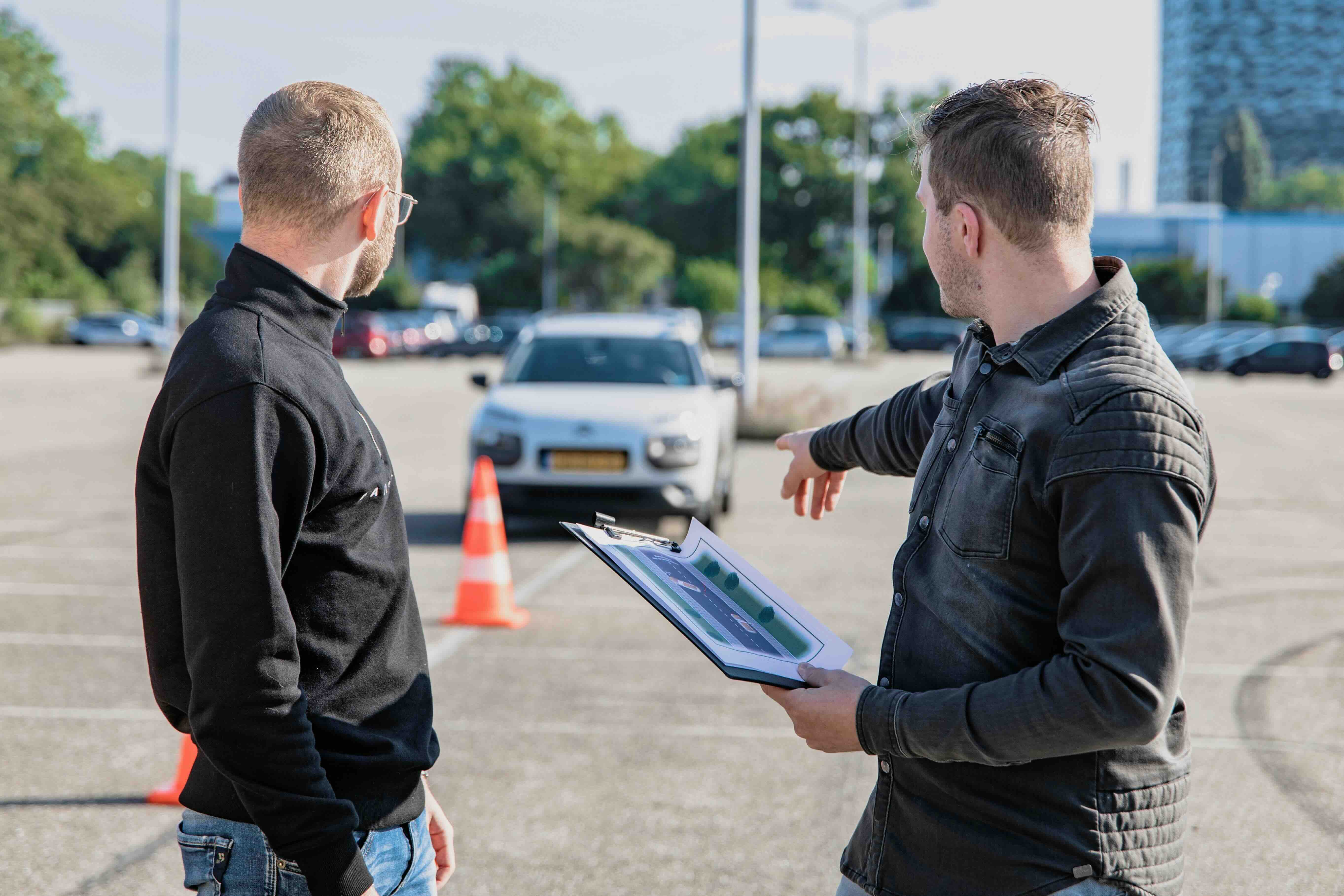
If you have to test, you must sign up with an Autoescuela (driving school). Unlike many other countries, you cannot simply show up at the DGT with a borrowed car. You must be represented by a school.
Step 1: The Theory Exam
A 30-question multiple-choice test. You can make at most 3 mistakes. The phrasing is often tricky, involving double negatives or specific vocabulary, even for native speakers. While some regions offer the test in English, translations are frequently inconsistent. Use an online simulator to take hundreds of practice tests before your appointment.
Step 2: The Practical Exam
The failure rate approaches 50% on the first attempt. Spanish examiners look for specific maneuvers, mirror checks every few seconds, and eco-driving technique (shifting gears at specific RPMs). Common failure traps:
- Manual vs. Automatic: If you take the test in an automatic car, your license is only valid for automatics. Manual is the standard in Spain.
- Language Barrier: The examiner gives directions in Spanish. Missing a turn because you did not understand the instruction can result in a mark-down.
- Roundabouts: Spain has specific rules about which lane to use. Getting this wrong is an instant fail.
The Total Cost: Budgeting for Reality
| Expense Item | Estimated Cost (2026) |
|---|---|
| School Registration & Theory Access | €150–€300 |
| Practical Lessons (typically 10–20) | €350–€800 |
| DGT Fees & Medical Exam | €150 |
| Processing and Admin Fees | €50–€100 |
| Total (No Failures) | €700–€1,350 |
If you fail and have to renew your file (renovación de expediente), you typically get two more attempts, but you must pay the DGT fees again. Budget conservatively.
Official Resources
- DGT: The official portal. Check your points, pay fines, and book your Cita Previa (appointment).
- Sede Electrónica: The primary hub for booking residency-related appointments.
- Administracion.gob.es: Explains the validity, exchange, and recognition of foreign licenses in English.
Start Early
The best advice: do not wait until month five. Start your research and find a reputable autoescuela as soon as you receive your residency. The August holiday season effectively shuts down government offices, so act before summer arrives. Read our guide to buying a car in Spain once you have the license sorted.