
Bringing a Foreign Car to Spain in 2026: What Nobody Warns You About Until It's Too Late
One of the most common questions on expat forums goes something like this: "Should we bring our car, or sell it and buy one in Spain?" It sounds simple. It is not.
Spain has some of the strictest - and most aggressively enforced - rules on foreign-registered vehicles in Western Europe. Get it right and you save money and headaches. Get it wrong? Fines starting at €500, a car you can't legally drive, or worse - watching it get towed while arguing with a bureaucrat who has all the time in the world. Here are the real rules, the actual costs, and how to make a smart call before shipping your car across the continent.
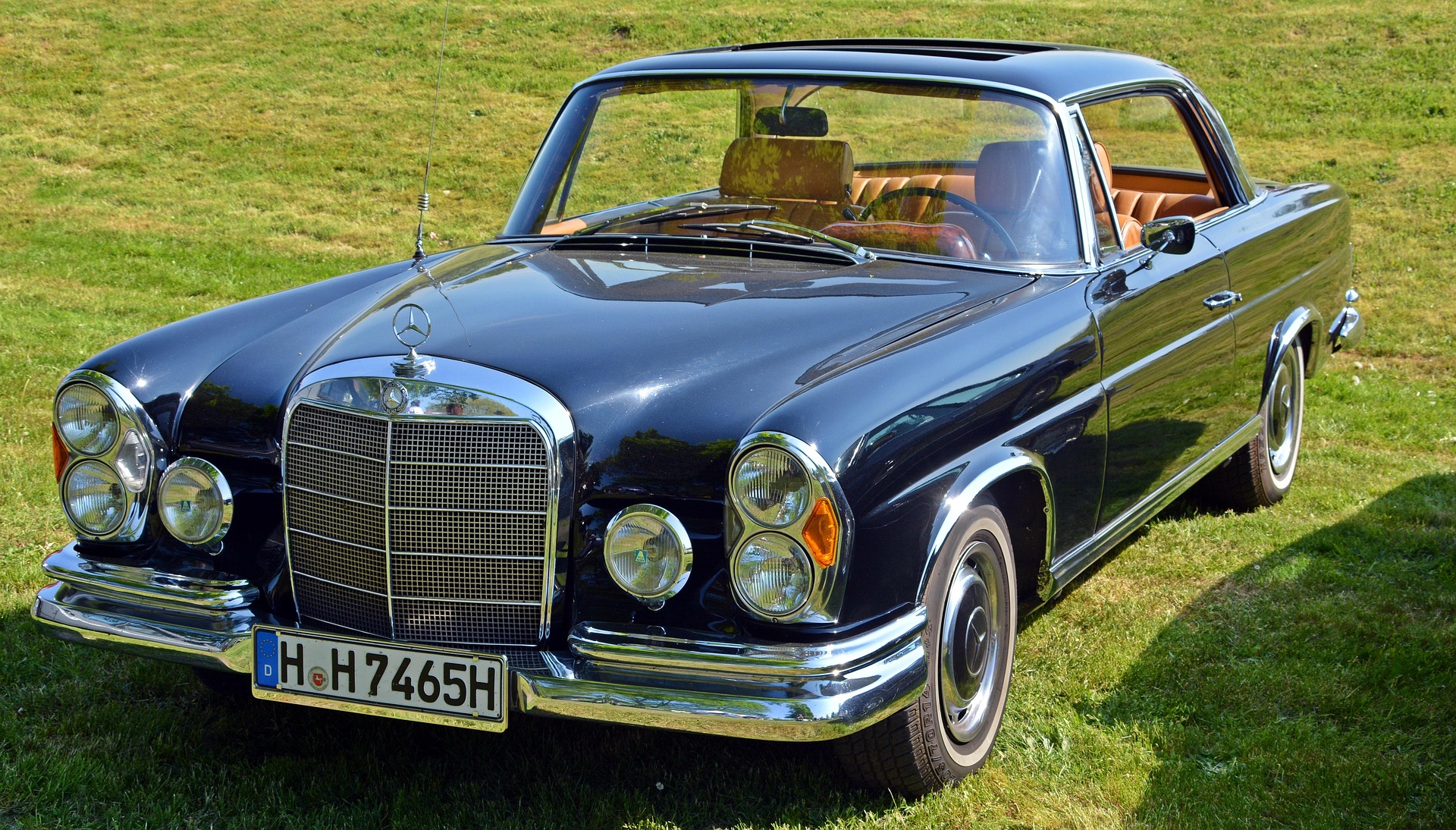


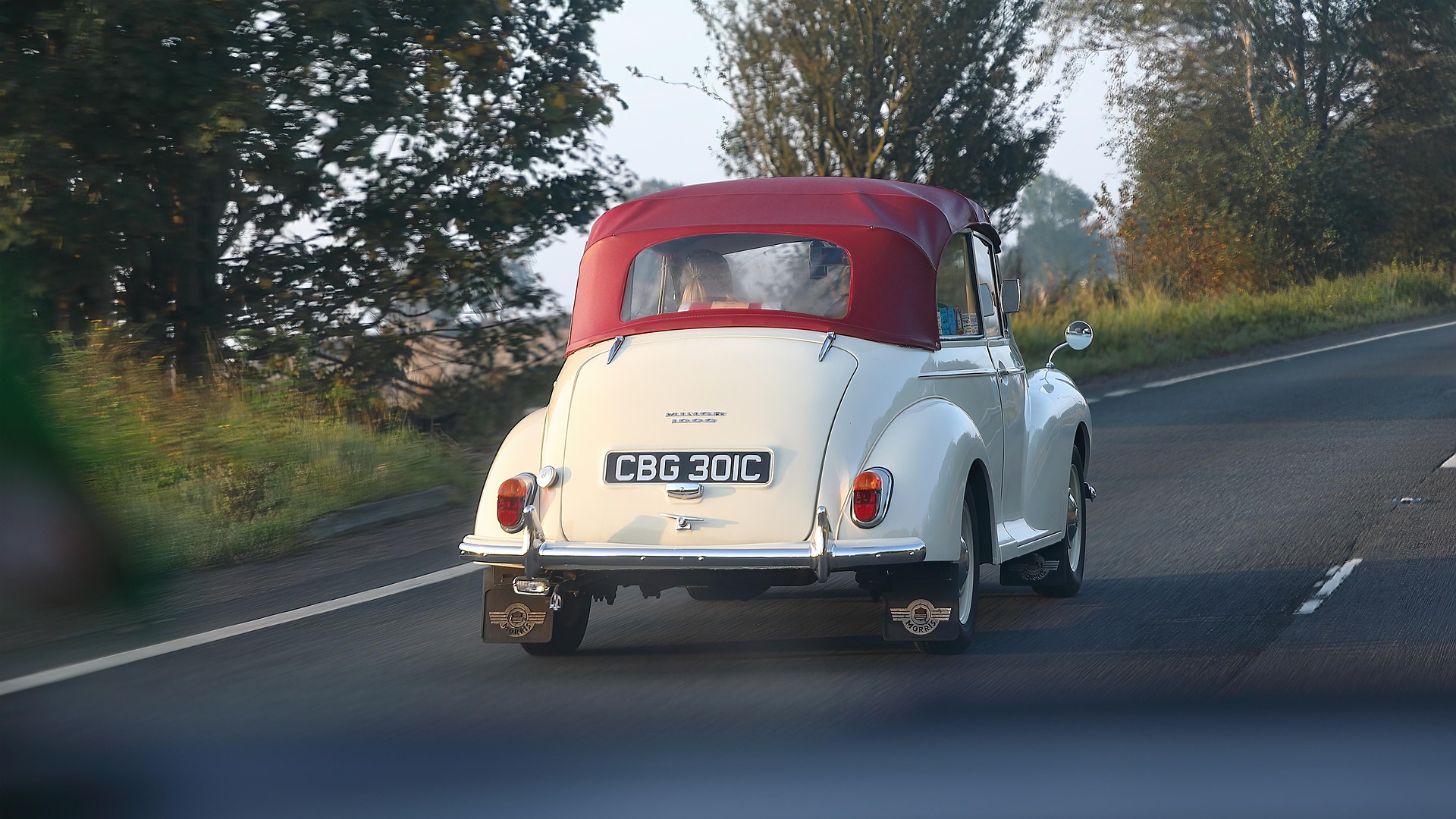
The Six-Month Rule: Where Most People Mess Up
Spain's Dirección General de Tráfico (DGT) - the authority that controls everything from license plates to speed cameras - has a clear position: if you live in Spain, your car should be registered in Spain.
Here is how it works in practice:
- Tourists, second-home owners, or short-term visitors can drive a foreign-plated car for up to 183 days per year. No issues.
- The moment you become a Spanish tax resident - or receive any residency permit - the clock works differently. Driving on foreign plates after that is not a gray area. The DGT treats it as tax evasion, and enforcement is getting sharper.
If you have your residencia, you typically have 30–60 days to register the car. This applies to digital nomads on the nomad visa too - it is a residency permit, so the car rules follow.
When Registration Becomes Mandatory
This is where people get caught out, because the trigger is not always obvious in the middle of relocation chaos. You must register your car if:
- You have a Spanish residency permit (TIE / tarjeta de residencia).
- You are a tax resident - spending 183 or more days per year in Spain.
- Your car has been in Spain for more than six consecutive months.
- You have relocated and are using the car as your primary transport.
That last one - "primary transport" - is the fuzzy part. Police do check foreign plates, especially in tourist-heavy areas. If you cannot prove you are just visiting, you are in for an uncomfortable conversation.
The Registration Process: A Step-by-Step Guide
The full process takes 4–8 weeks if everything goes smoothly - longer if it does not. A gestoría (administrative agent) is worth every euro here. They handle the bureaucracy so you do not have to.
Step 1: Get the Certificate of Conformity (COC)
Before anything else, you need proof your car meets EU standards. The COC (Certificado de Conformidad) comes from the manufacturer's official Spanish representative or the authorized dealer for your car's brand. EU cars are usually straightforward. Non-EU cars are more complicated - and potentially expensive.
Step 2: ITV Inspection - Spain's MOT, More Thorough
The Inspección Técnica de Vehículos (ITV) is mandatory for imported cars. It is a more thorough check than a standard MOT, covering:
- Mechanical safety
- Emissions (this affects your tax later)
- Lighting - left-hand drive cars require headlight adjustments
- All documentation
Cost: €120–200 (higher than a standard ITV because of the extra paperwork). Find the nearest ITV center via the DGT's official locator.
Step 3: Pay the Taxes
Two taxes apply at registration:
- Impuesto de Matriculación (Registration Tax) - the main one, based on CO² emissions:
- 0% for under 120g/km
- 4.75% for 121–160g/km
- 9.75% for 161–200g/km
- 14.75% for over 200g/km
- IVTM (Annual Municipal Tax) - paid to your local council. In Valencia, for example, this runs €70–180 per year.
Payments go through the Agencia Tributaria - Spain's tax authority.
Step 4: DGT Submission and New Plates
Once the ITV is passed and taxes are paid, you submit documents to the DGT. They will issue a Spanish registration number, the permiso de circulación (vehicle documents), and new plates costing €20–40.
The Full Cost Breakdown
There is no single answer - it depends on the car. Here is a realistic range for a mid-range EU vehicle:
| Item | Cost |
|---|---|
| ITV inspection + docs | €120–200 |
| Registration tax | 0–14.75% of car's value |
| DGT fees | ~€100 |
| New plates | €20–40 |
| Gestoría fee | €150–400 |
| Total (before registration tax) | €400–750 |
Add the registration tax and a high-emission car could cost €3,000–5,000+ to register. A low-emission car? Under €700.
Should You Bring Your Car or Buy One in Spain?
This is the central question - and there is no universal answer. It depends on the car, your situation, and your tolerance for admin.
Bring Your Car If:
- It is under 3–4 years old
- It has low CO² emissions (under 120g/km)
- It is a premium or specialist vehicle that would cost significantly more to replace in Spain
- You are moving permanently and the car has strong practical or sentimental value
Buy in Spain If:
- The car is 5–6+ years old
- It is a high-emission vehicle - registration tax will hurt
- It is a budget or mid-range car - Spain's used market is solid
- You would rather skip the bureaucracy entirely
A practical option: rent a car for your first 2–3 months while you settle in. Then decide with real information about your needs. Check Coches.net - Spain's AutoTrader equivalent - or Wallapop for private sales.
If you are planning a long-term move to Spain, choosing the right region matters as much as sorting out the paperwork. Take our free life assessment to find which part of Spain fits your lifestyle best.
Start Life Assessment →ITV After Registration: The Ongoing Schedule
Once registered, your car enters Spain's standard ITV inspection cycle:
| Vehicle Age | Inspection Frequency |
|---|---|
| Under 4 years | Not required |
| 4–10 years | Every 2 years |
| Over 10 years | Annually |
Each check costs €40–60. Skip it and you face a voided insurance policy plus an automatic fine.
What Happens If You Don't Register?
Spain's police actively watch foreign-plated cars, especially in coastal areas, major cities, and on motorways. Enforcement is increasingly data-driven - plates that appear regularly without rental flags raise flags in the system.
Consequences of non-compliance:
- Fines: €500–2,000
- Immediate driving ban
- Towing and impoundment
- Back-taxes and penalties if authorities judge it deliberate evasion
Worst case: a high-value car driven for 18 months on foreign plates could rack up thousands in combined fines and taxes. It is not a risk worth taking.
Non-EU Cars: The Extra Layer
Bringing a car from the UK, US, Australia, or anywhere outside the EU? Customs duties add a significant amount on top of everything else:
- 10% import duty on the car's value
- 21% VAT on top of that
On a €25,000 car, that works out to €2,500 in duty plus €5,775 in VAT - €8,275 total, before Spanish registration tax.
There is a traslado de residencia exemption for people permanently relocating, but the conditions are strict:
- You must have owned the car for 6+ months before moving
- You must have lived outside the EU for 12+ months
- You cannot sell the car in Spain for 12 months after importing
Check the Spanish Customs Agency for full details on exemption requirements.
Documentation Checklist
Before starting the process, gather everything below. Missing a single document will stall the whole application:
- Valid passport
- NIE (Spanish tax ID)
- Proof of address (empadronamiento)
- Original vehicle registration
- Purchase contract or proof of ownership
- Certificate of Conformity (COC)
- Proof of tax payment
- Spanish insurance policy - you cannot register without one
On insurance: you must have a Spanish policy before registration. Most insurers can issue one for a car pending registration, but confirm this upfront before starting the process.
The Bottom Line
Bringing a foreign car to Spain is entirely doable - thousands of expats do it every year. But it requires deciding before you arrive, understanding the real total cost (not just the headline registration fee), and not letting the six-month window slip past you.
The most popular destinations for expats - Madrid, Barcelona, Valencia, Andalusia - all have solid used car markets. If your car is old, thirsty, or mid-range, buying locally is usually the smarter financial move. Still unsure? Rent for your first few months. Spain is not going anywhere.
For more on settling in as a resident, see our guides on renting in Spain, Spanish taxes for expats, and converting your driving licence. The DGT's official site and Expatica's Spain guide are also useful references throughout the process.