
Spain Sports Guide: Passion, Tradition & Major Events Worth Planning Your Trip Around
In Spain, sports isn't just entertainment you consume from the safety of a sofa; it's the social architecture that holds entire communities together. The bars begin to swell with people two hours before kickoff. Families gather around flickering screens with a focus that feels more like a religious obligation than a hobby. When a victory finally lands, the streets erupt in a way that feels both ancient and immediate.
We spent the better part of last year following Spain's sports calendar - from the visceral intensity of Madrid football derbies to the wind-whipped Pyrenean cycling stages and the clay-court tennis battles along the Mediterranean. It fundamentally changed how we understand living in Spain. Sports here isn't a cultural add-on; it is the most honest expression of the national character you'll find outside of a family kitchen.
This guide is for travelers who understand that the best places to go in Spain aren't always silent monuments. Sometimes, the most important "monument" is a stadium on match day, a mountain pass during La Vuelta, or a packed bar in Bilbao when Athletic Club finds the back of the net. Looking for more cultural events? Explore our complete events calendar for festivals across all Spanish regions.
The Cultural Architecture: Why It Matters
Here is what typical Spain tourism coverage misses: sports in Spain operates as a collective emotional release and a regional identity marker. It is a generational bridge and a political statement rolled into one.
If you watch a match in Catalonia, you'll hear the stadium sing the regional anthem - a defiant tradition that once faced bans. If you head to the Basque Country, you'll see Athletic Bilbao's policy of only fielding players with Basque roots. This isn't just a gimmick; it's cultural preservation on grass. Real Madrid vs. Barcelona isn't just a game; it's a hundred-year-old dialogue between Castilian centralism and Catalan autonomy.
For expats in Spain, the sports calendar quickly becomes your social calendar. You'll be invited to watch matches, asked to join office pools for cycling stages, and find that your integration into the community accelerates the moment you can discuss last night's box score. The Spain lifestyle comparison usually focuses on siestas, but the way the nation synchronizes around kickoff times deserves just as much study.
Football: The Secular Religion
La Liga - The Infrastructure of Daily Life
Spanish football isn't just popular; it's infrastructural. La Liga is home to global giants like Real Madrid, Barcelona, and Atlético Madrid, but also deeply rooted clubs like Sevilla and Real Sociedad.
From August through May, the calendar dictates the national mood. We watched the Madrid derby last October in a bar near Plaza Mayor - standing room only, the air thick with tension. When Atlético scored, half the room exploded; the other half went into a stony, heartbroken silence. For five seconds, you could feel the city holding its breath. Then, someone ordered another round, and the world kept spinning.
Essential Stadiums for the Itinerary
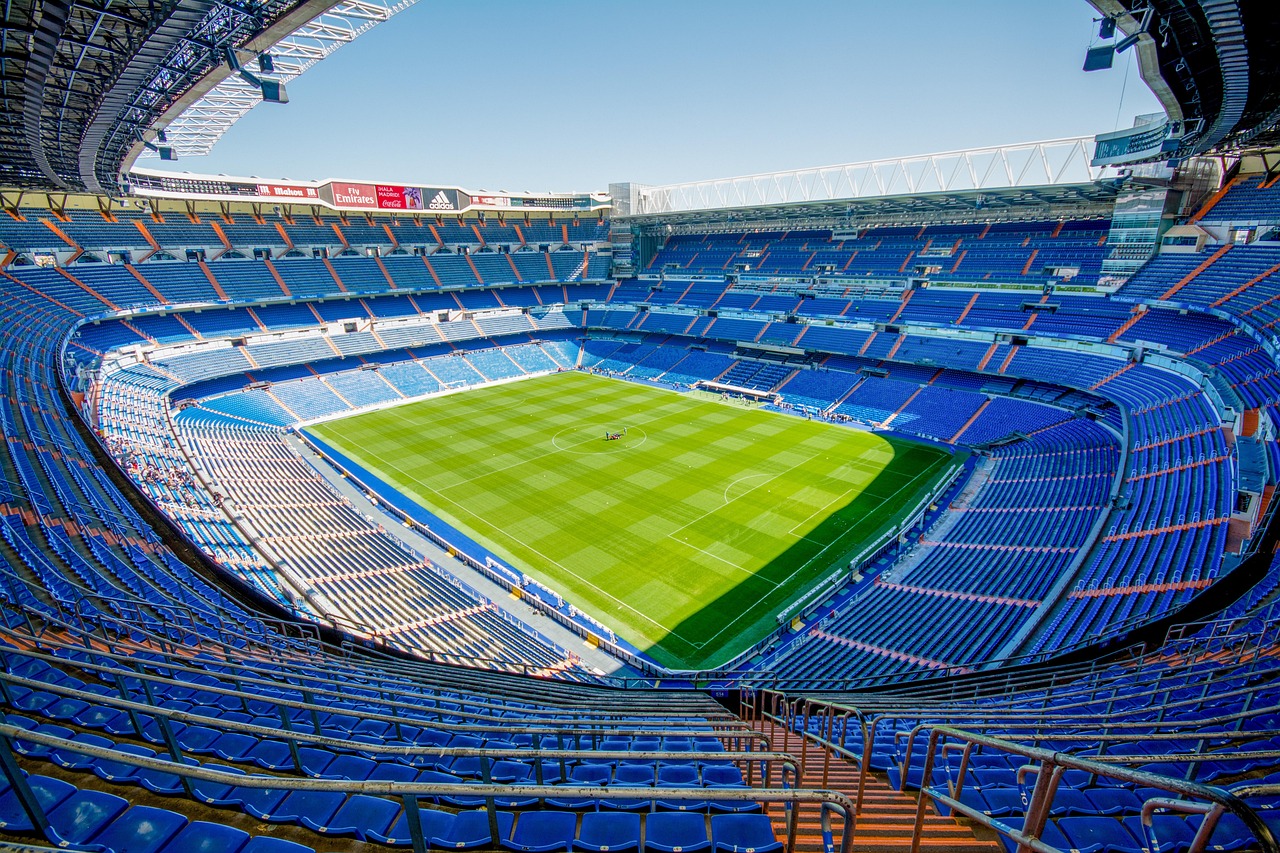
- Santiago Bernabéu (Madrid): Home of Real Madrid. With a capacity of 80,000, the stadium literally vibrates during big matches. Official Site.
- Spotify Camp Nou (Barcelona): FC Barcelona's cathedral. While undergoing renovations (expected completion in 2026), it still holds over 95,000 fans. Official Site.
- San Mamés (Bilbao): Known as "The Cathedral," this is where Athletic Club's player policy makes every goal feel like a statement of regional pride. Official Site.
Practical Logistics
Tickets should only be bought via official club sites. Prices generally range from €30 to over €300 for high-stakes games. Remember: this is Spain. A "weekend" game might start at 9 PM on a Sunday. Adjust your dinner plans accordingly.
Tennis: The Clay Court Legacy
Mutua Madrid Open
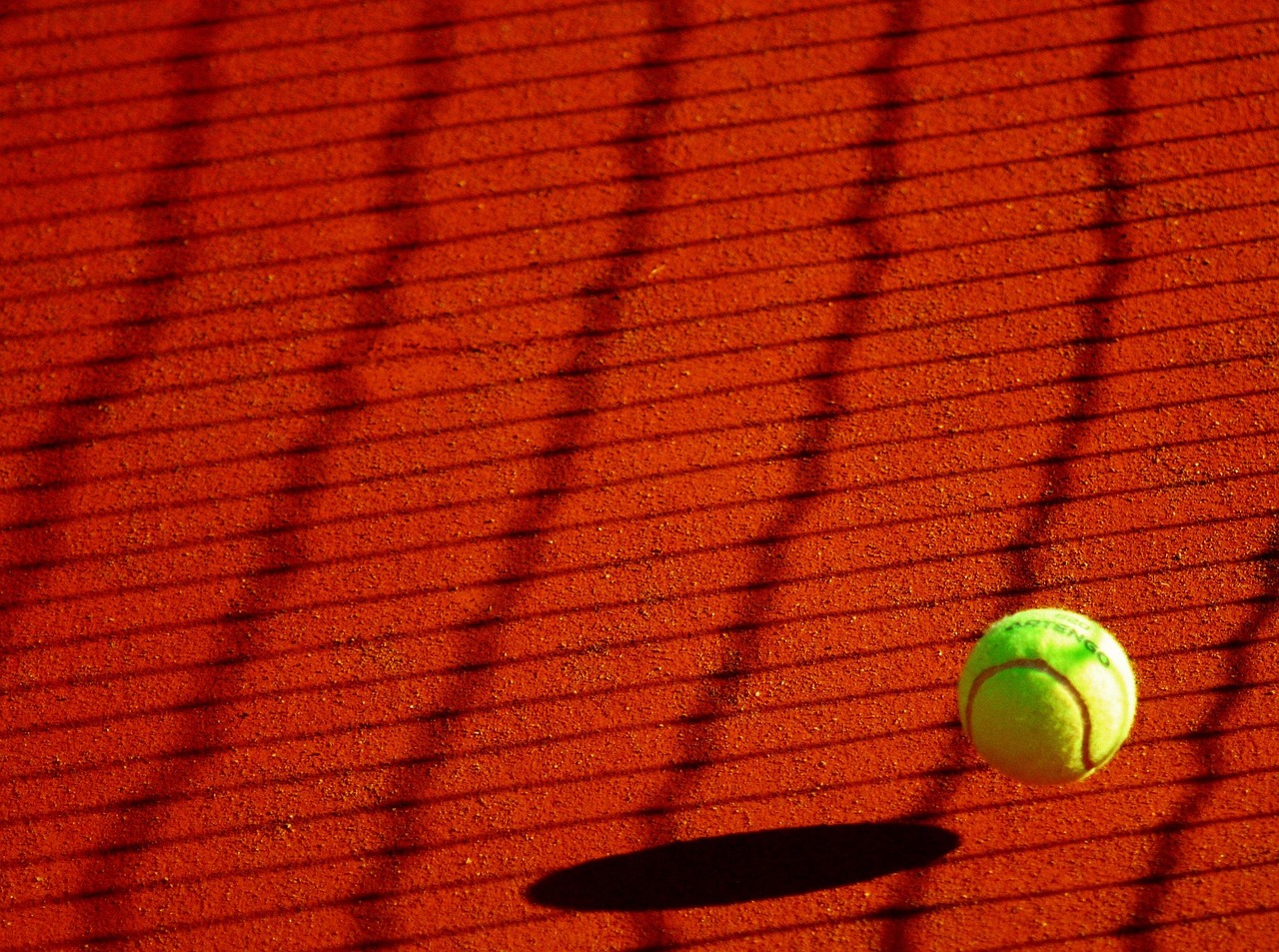
Every April and May, the world's elite descend on the Caja Mágica in Madrid. Spain's dominance in tennis - built on Rafael Nadal's legendary career and maintained by a new generation of stars - makes this event a point of fierce national pride.
We met an Australian couple at the tournament last year who had planned their entire European tour around the Madrid Open. "This is our Camino," they told us during a quarterfinal match. It's a cosmopolitan event, much more international and English-friendly than a regional football derby.
- Venue: Caja Mágica, Madrid.
- Tickets: Mutua Madrid Open Official.
- Capacity: The main stadium, Manolo Santana, holds 12,442 spectators.
La Vuelta a España: Spain on Two Wheels
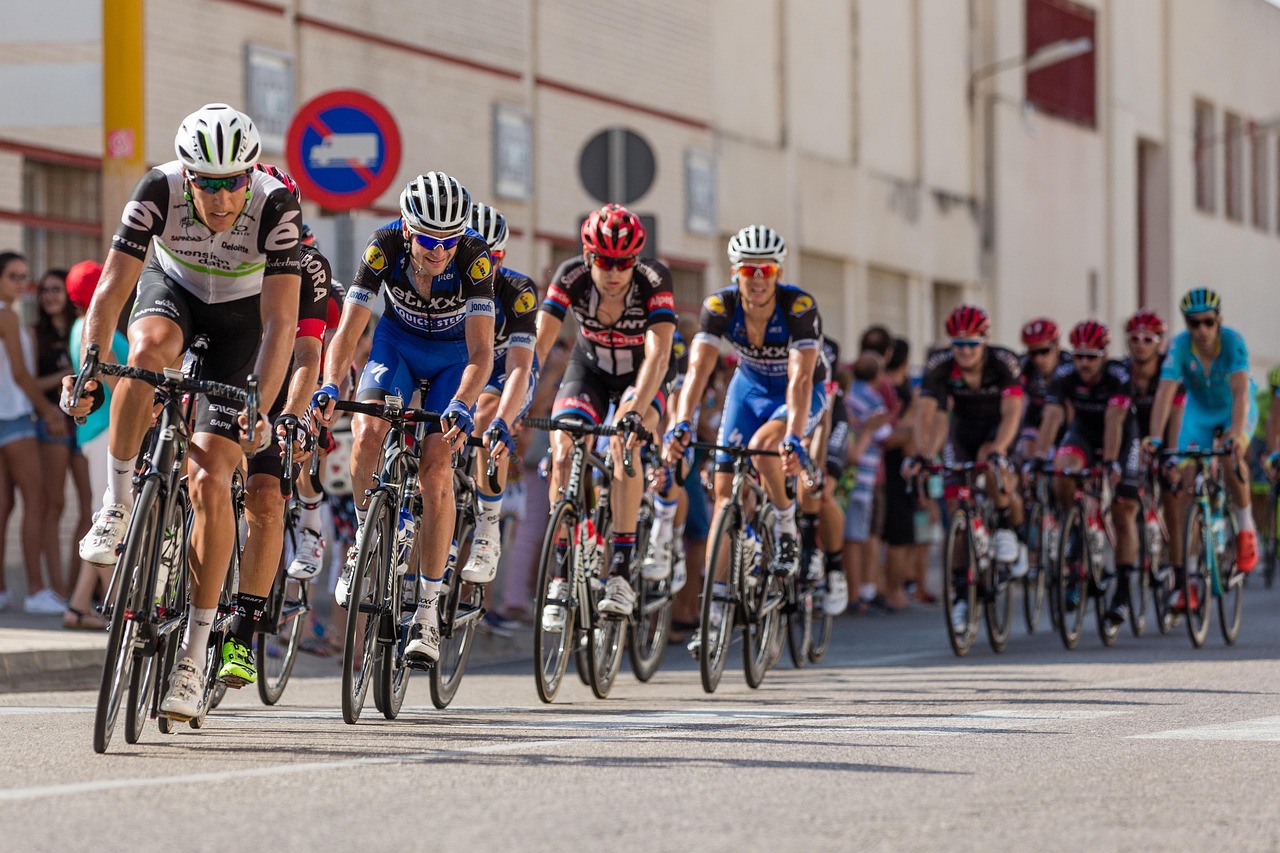
La Vuelta is Spain's three-week grand tour (late August to September). It is a geography lesson as much as a race. The route changes every year, moving from the searing heat of Andalusia to the vertical limestone cliffs of the Picos de Europa.
The best part? It's free. You don't need a ticket to stand on a mountain pass in Asturias and watch the peloton flash past. We stood at the final kilometer of a mountain stage two years ago, pressed against the barriers. When the winner crossed, strangers were hugging and passing around bottles of cider. It's a celebration that brings the circus to town and leaves the party behind.
- Official Site: La Vuelta
- When: Late August to mid-September
- Cost: Free for roadside viewing
Basketball: The Underrated Obsession
The Liga ACB is arguably the strongest domestic league in Europe. While football gets the headlines, basketball has a fanatical, weather-proof following.
- Madrid: The WiZink Center is an indoor pressure cooker. Real Madrid Basketball.
- Vitoria-Gasteiz: The Fernando Buesa Arena holds over 15,000 fans. Basketball in the Basque Country is serious business. Baskonia Official.
Motorsports: The Mediterranean Speed
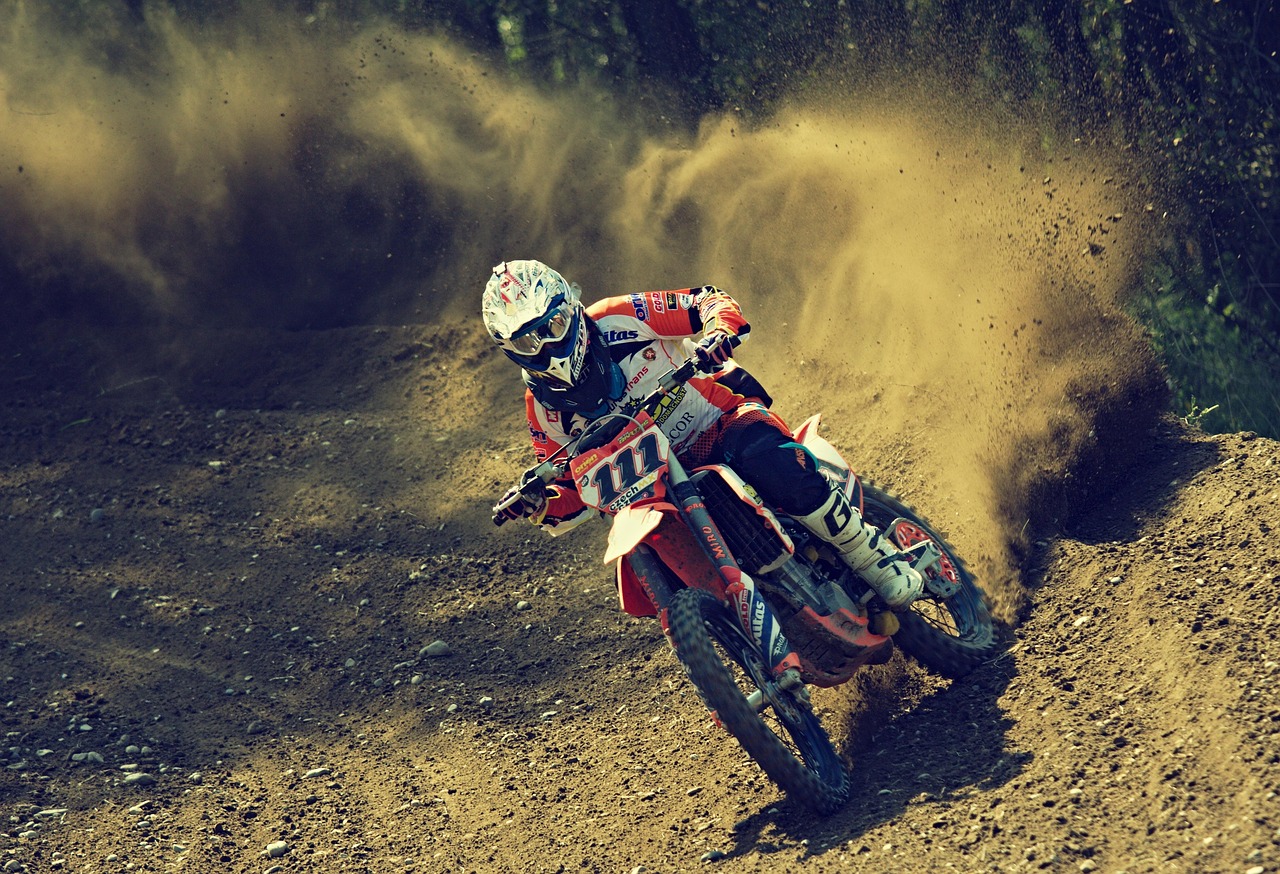
The Spanish Grand Prix at Circuit de Barcelona-Catalunya (typically in May) is an annual invasion. For those digital nomads in Spain who want a break from the screen, this is the loudest weekend of the year.
- Logistics: Barcelona hotels will spike 200–300% in price. We recommend staying in Girona or Sitges and taking the train in.
- Tickets: Circuit de Barcelona-Catalunya.
Regional and Traditional Sports
Not everything is about global brands. Spain's decentralized identity is best seen in its traditional sports.
- Basque Sports (Herri Kirolak): Stone lifting, wood chopping, and hay bale tossing. These are legitimate athletic competitions rooted in rural labor. You can often see them during summer festivals in Durango or Vitoria.
- Pelota Vasca: A lightning-fast handball game played in a frontón. The ball moves so fast it's almost invisible to the untrained eye.
- Galician Rowing (Regatas de Traineras): In the north, summer is defined by 13-rower boats racing through the rías. The Bandeira de La Concha in San Sebastián (early September) is the Super Bowl of rowing.
When to Go
The best time to go to Spain for a sports-heavy trip is April and May. You get the peak of the football season, the prestige of the Madrid Open, and the arrival of F1, all while the weather is perfect for outdoor celebration.
Moving Here: The Integration Shortcut
For anyone moving to Spain, sports is the ultimate "cheat code" for making friends. You don't need a perfect accent to ask someone about their team. You don't need to be an expert to join a bar full of people watching the national team.
In many ways, the best place to live in Spain for sports culture is Madrid, simply because of the density of options. But cities like Valencia, Seville, and Bilbao offer scenes that are just as passionate, often with a more accessible, community-focused feel.
Museums preserve history, but sports creates it in real-time. The match you see this weekend will never happen exactly that way again. For travelers who collect experiences rather than just photos, the roar of a Spanish crowd is the most authentic souvenir you can find.
Want to explore more of Spain's vibrant culture? Check out our guide to Spain's festivals, discover the best places to live in Spain, or plan your trip to experience it all firsthand.