
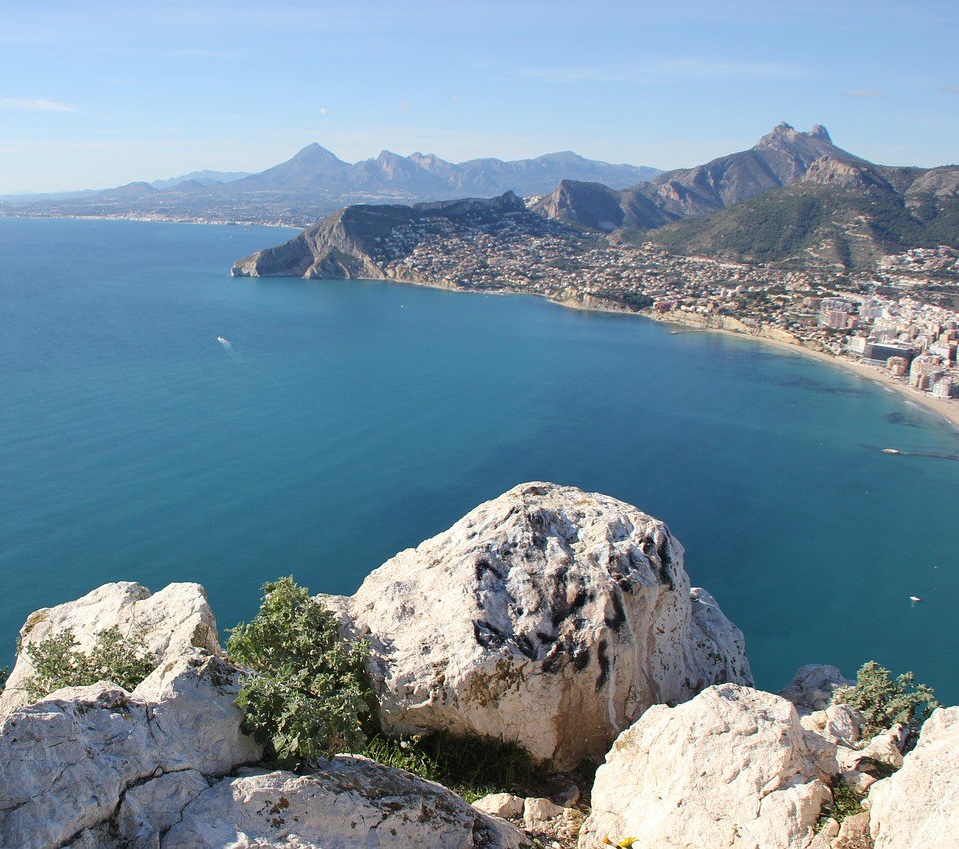
Valencia stretches along Spain’s eastern coast like a long, sun-drenched corridor connecting Catalonia to the north with Murcia to the south. It is a region divided into three provinces - Castellón, Valencia, and Alicante - that share a Mediterranean zip code but often feel like entirely different countries. While the capital city usually steals the spotlight with its space-age architecture and status as the paella birthplace, the region is far larger and more nuanced than a single photogenic skyline. Between the sprawling rice paddies of the Albufera and the crumbling castles of the interior mountains, the landscape shifts with a pragmatic, commercial energy that feels uniquely Valencian.
We spent four months last year zigzagging through these three provinces. We arrived thinking we had a handle on what “Mediterranean Spain“ meant, only to realize that Valencia is a place that defies easy categorization. It is developed, yes, and often crowded in the ways you’d expect, but it also maintains a specific, sometimes weird local identity that hasn’t been entirely smoothed over by the tourism industry.
Valencia City: The Balancing Act
As Spain’s third-largest city, Valencia is caught in a permanent tug-of-war. On one side, it strives to be a futuristic cultural heavyweight, exemplified by the City of Arts and Sciences - a complex so avant-garde it looks like a fleet of white spaceships landed in a park. On the other side, it remains a grounded, manageable city where life still revolves around the neighborhood market and the local plaza.
The Turia Gardens, a nine-kilometer ribbon of green built in a diverted riverbed, is perhaps the city’s greatest triumph. It provides a lush escape from the urban heat and connects the historic center to the sea. For digital nomads in Spain, the city offers a very specific calculation. The infrastructure is world-class, with fiber internet as standard as running water, and you can transition from a co-working space to a Mediterranean beach in under twenty minutes.
While the cost of living in Spain varies by region, Valencia sits in a comfortable “middle-income“ bracket. You can find a high-quality one-bedroom apartment in a neighborhood like Ruzafa for between €900 and €1,200. It’s not the bargain it was a decade ago, but it remains significantly more accessible than Barcelona while offering a nearly identical level of service and climate.
Living the Eastern Shore: The Nomad Reality
The Spain Digital Nomad Visa has found a natural home here because the city doesn’t go into hibernation when the summer ends. Unlike the seasonal ghost towns of the coast, Valencia city operates with a full heart year-round. We based ourselves in Ruzafa, a district that has successfully navigated the transition from working-class enclave to hipster hub without losing its soul entirely.
For expats in Spain, the community here is massive and incredibly fragmented. You can find a group for almost any interest, and the international schools and professional networks are well-established. If you are relocating to Spain and want a city that feels “big enough“ but not overwhelming, Valencia hits that sweet spot.
Explore festivals, fairs, and cultural celebrations across Valencia.
Valencia EventsThe Provinces: Beyond the Capital
If you head north into Castellón, the development density drops off a cliff. This is Valencia’s “quiet province.“ The highlight is Peñíscola, a walled town perched on a rocky peninsula that looks like a Mediterranean version of Mont-Saint-Michel.
Inland Castellón is even more of a secret. Towns like Morella, a medieval fortress-city on a hilltop, require a white-knuckle drive to reach, but they offer a version of “Authentic Spain“ that feels completely untouched by the commercialism of the coast.
To the south, Alicante Province tells a different story. This is the heart of package tourism, but it’s not all high-rises and British pubs. While Benidorm is the famous poster child for mass development, Alicante city itself is a robust, working port with a palm-lined esplanade and a cost of living that is even lower than Valencia’s. For those considering moving to Spain on a tighter budget, Alicante offers the airport connectivity and sunshine of the capital but with rents usually hovering between €750 and €1000.
The Table: More Than Just Rice
Valencia is famously the home of paella, but there is a “Paella Problem.“ The version most tourists eat - piled high with seafood and peas - is often a far cry from the Paella Valenciana (rabbit, chicken, and snails) that locals defend with religious fervor. The best rice we had wasn’t in the city center; it was in the small villages surrounding the Albufera lagoon, where the rice is grown and the firewood is orange-wood.
Beyond the rice, the region’s agricultural belt (the huerta) produces some of the world’s best oranges and tiger nuts - the latter used to make horchata, a creamy, ice-cold drink that is the true fuel of a Valencian summer.
Climate and Lifestyle Comparisons
When doing a Spain lifestyle comparison, Valencia is the choice for those who value consistency. You are guaranteed 300+ days of sunshine. The winters are mild, rarely dipping below 10°C, and the summers are long and reliably hot.
However, there is a seasonal catch: the gota fría. These are intense, sudden weather systems that can cause significant flash flooding in the autumn. While the infrastructure is constantly being upgraded, the recent events of 2024 served as a reminder that the Mediterranean climate has a volatile side.
Quick Practical Hits:
- Xàtiva: A stunning hilltop castle and the birthplace of two Borgia popes. It’s criminally underrated.
- Altea: A white-washed hillside town that offers a more “tasteful“ alternative to the nearby resort towers.
- The Best Time to Go: April through June or September through October. You’ll avoid the 40°C summer furnace and the August crowds.
The best place in Spain to go for someone who wants the Mediterranean lifestyle without the extreme prices of the north or the isolation of the rural south is, arguably, the Valencian coast. It is a region that has been thoroughly commercialized, but for a reason: it works. The transport is efficient, the beaches are clean, and the lifestyle is as easy as it gets. It may not have the rugged mystery of Galicia or the historical weight of Madrid, but it delivers exactly what it promises on the tin: sun, sea, and a very good plate of rice.
Best time to visit: April through June or September through October. You’ll avoid the 40°C summer furnace and the August crowds.
Thinking of relocating to Valencia? Set your priorities — climate, cost of living, healthcare, culture — and discover where your lifestyle truly fits best.
Start Life Assessment →