
Navarra sits wedged between the Basque Country, Aragón, and France like a sturdy, self-contained kingdom that never quite got the memo about being absorbed into modern Spain. It remained fiercely independent until 1512, and even today, the locals carry themselves with a quiet, dignified separateness. It isn’t the loud, protesting nationalism you find in Catalonia; it’s more of a settled fact of life. Within a region smaller than Connecticut, the geography shifts with a whiplash intensity, moving from the emerald, mist-heavy Pyrenees in the north to sun-scorched, lunar badlands in the south.
Navarra is organized, efficient, and operates with a rhythmic precision that feels more Northern European than Mediterranean. It is a place of substance - expensive, culturally reserved, and not particularly interested in explaining itself to the casual passerby.
Pamplona: Beyond the Bull Run
Pamplona is a victim of its own fame. For exactly one week in July, during the festival of San Fermín, the city is a theater of chaos, red scarves, and adrenaline. Hemingway immortalized it, and the global imagination has frozen the city in that single moment of mid-summer madness. But we arrived in August, long after the wooden barricades were dismantled and the bulls were gone.
What we found was one of the most functional and livable mid-sized cities in Europe. The old town is a compact treasure of medieval walls and narrow alleys that spill into the Plaza del Castillo, while the newer districts are models of urban planning - wide boulevards, meticulous parks, and modern apartments.
For digital nomads in Spain who are weighing their options for living in Spain, Pamplona offers a high-end calculation. The infrastructure is flawless; fiber internet is ubiquitous, and public services run like a Swiss watch. The air is clean, crime is nearly non-existent, and the healthcare is arguably the best in the country. The Spain Digital Nomad Visa is a popular route here, and while you’ll need a higher income to thrive compared to the south, the trade-off is a city that works perfectly 365 days a year.
The Pyrenean Valleys: The Green Heart
The northern reaches of Navarra are pure Atlantic Pyrenees. The Baztan Valley, in particular, feels more like a Swiss canton than a Spanish province. Here, you’ll find half-timbered houses, rivers slicing through the centers of stone villages like Elizondo, and an architectural style that reflects centuries of cross-border French influence.
For anyone relocating to Spain with a desire for mountains over beaches, these valleys are a sanctuary. However, you are trading convenience for scenery. The villages are tiny, often with fewer than 500 residents. The internet is functional but won’t win any speed awards, and you’ll need a car for almost everything. It is a landscape that demands respect; the winters are long and snowy, but the summers are the most perfect we’ve experienced in the country.
Explore festivals, fairs, and cultural celebrations across Navarra.
Navarra EventsThe Bardenas Reales: A Desert Surprise
If the north is Switzerland, the south is Arizona. The Bardenas Reales is a semi-desert of eroded badlands and clay formations that feels post-apocalyptic. It’s so otherworldly that it has served as a filming location for Game of Thrones.
We drove through on a late August afternoon when the thermometer hit 41°C. The Spain lifestyle comparison between regions becomes jarring here. Just three hours north, we were wearing light sweaters in the mountains; here, the heat was a physical force. This geographic diversity is Navarra’s greatest trick.
Estella and the Pilgrims’ Path
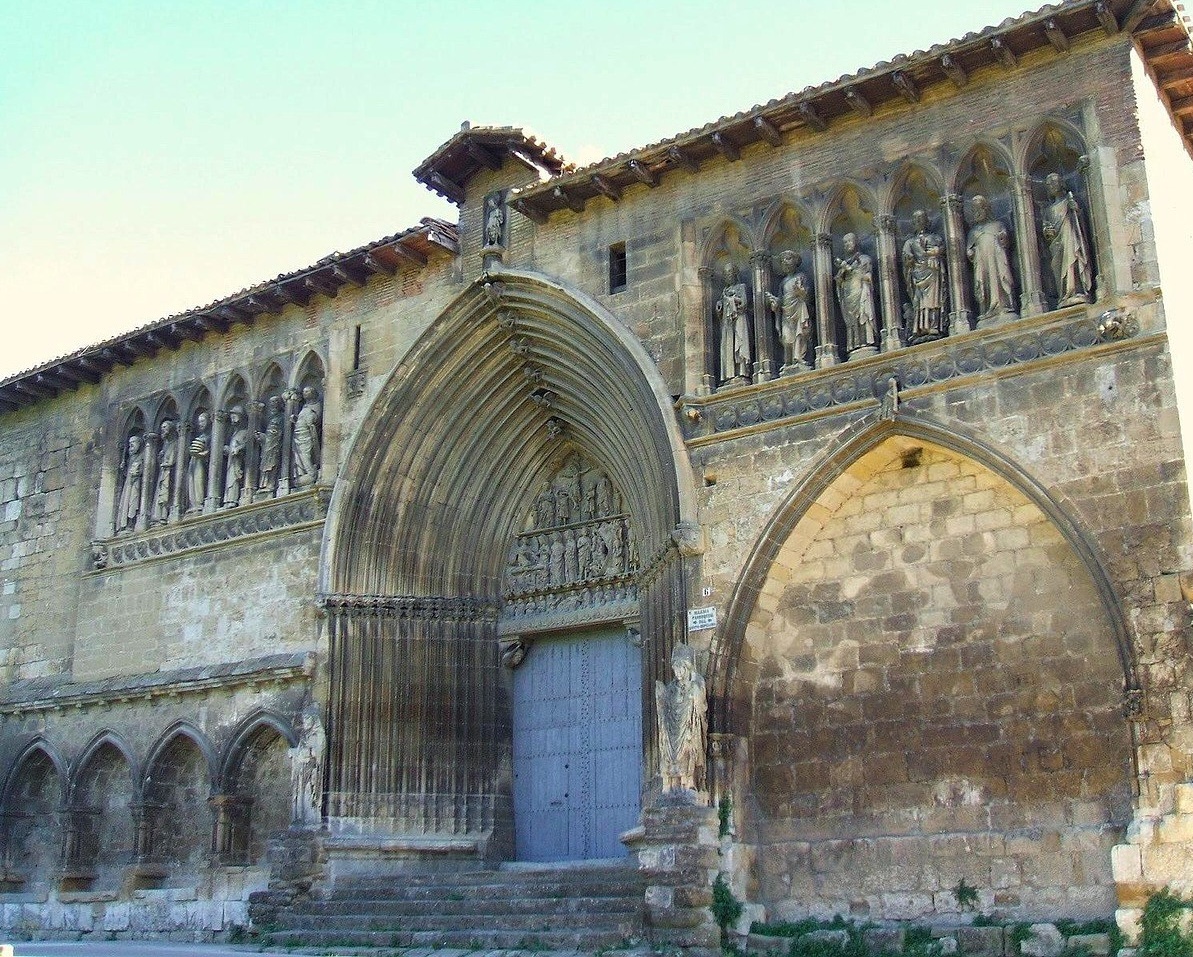
The town of Estella has been a crucial stop on the Camino de Santiago since the 11th century. It is a city of Romanesque churches and medieval bridges that has seen millions of pilgrims pass through its gates. Because of this, the town treats visitors with a polite, efficient hospitality that lacks the “performance“ of more commercialized tourist hubs.
For expats in Spain looking for authentic experiences in Spain without the “tourist circus“ atmosphere, towns like Estella or the hilltop fortress of Ujué are perfect. The tourism is transient - pilgrims arrive, eat, sleep, and leave by dawn. The town remains firmly in the hands of the locals.
The Table: Where Vegetables are King
Navarra’s food is a sophisticated blend of Spanish heartiness and French refinement. While the rest of Spain often obsesses over meat, Navarra takes its vegetables with a seriousness that borders on the fanatical. The white asparagus from the Ebro Valley and the piquillo peppers from Lodosa are legendary.
You’ll still find the Basque influence in the massive txuleta (ribeye steaks) and the local chistorra sausage, but the star of the show is often the produce. The wine culture is equally impressive. The bodegas of Olite produce reds and rosés that often rival Rioja in quality but sell for half the price. It is one of the few places where you can find a truly world-class bottle for under €15.
Living the Navarra Reality
Choosing to live in Navarra is choosing organization over spontaneity. The cost of living in Spain varies wildly, and Navarra sits comfortably at the expensive end. A couple should budget between €1,500 and €1,900 a month to live well.
What you are buying is the “Efficiency Premium.“ Healthcare in Spain is generally high-quality, but in Navarra, it is a point of regional pride. The schools are consistently ranked at the top of national lists, and the safety is unparalleled. The regional government is well-funded and actually maintains the roads and parks.
A Few Practical “Quick Hits“:
- Roncesvalles: The legendary mountain pass where Charlemagne’s army was famously ambushed. A stunning, misty gateway to the Camino.
- The Language: Everyone speaks Spanish, but Basque (Euskara) is common in the north. Learning a few Basque greetings will get you a lot of smiles in the mountain valleys.
- The Best Time to Visit: May, June, September, and October. Avoid July unless you are specifically looking for the chaos of the Bull Run.
Navarra isn’t a region that feels the need to be anyone’s favorite. It doesn’t have the beaches of the south or the flashy reputation of Barcelona. It is a place for the “slow traveler“ - the person who values mountains, efficiency, and a culture that values substance over performance. If you want a region that actually works, Navarra delivers exactly what it promises.
Best time to visit: May, June, September, and October. Avoid July unless you are specifically looking for the chaos of the Bull Run.
Thinking of relocating to Navarra? Set your priorities — climate, cost of living, healthcare, culture — and discover where your lifestyle truly fits best.
Start Life Assessment →