
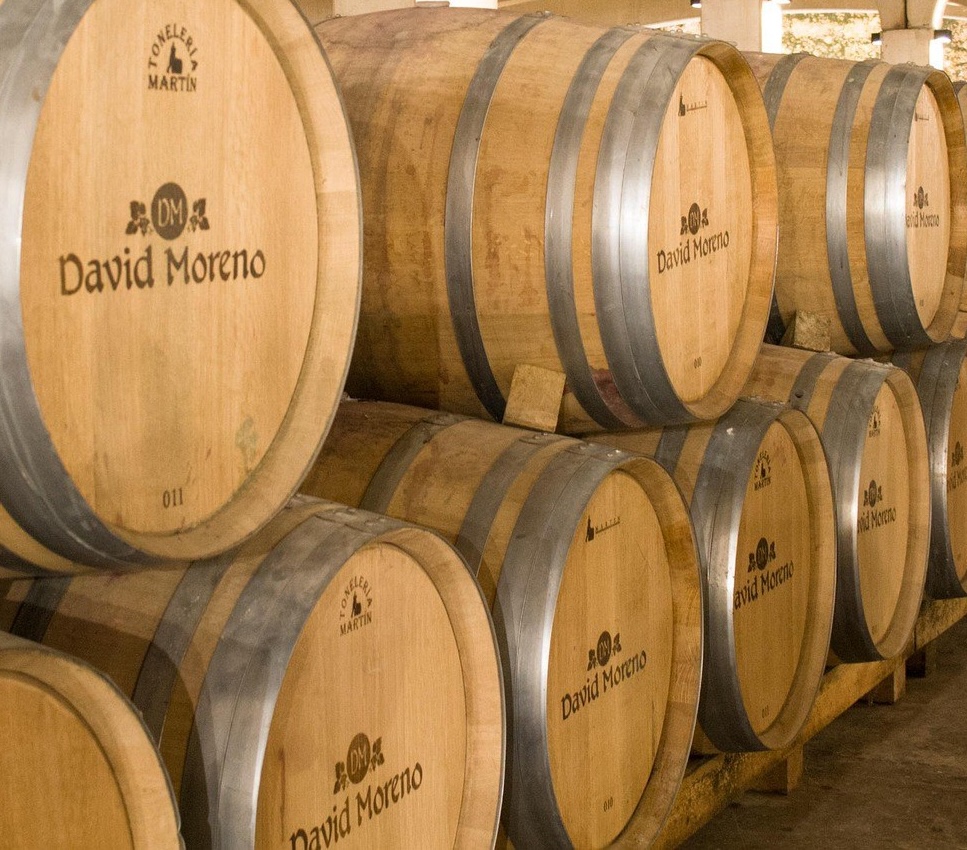
La Rioja is Spain’s smallest mainland region, a pocket-sized territory that exists almost entirely as a monument to the grape. It is a land of mono-focus; the entire economy, the rolling landscape, and the very identity of the people revolve around viticulture. Vineyards don’t just decorate the valleys; they define them. Villages are constructed around the massive, sun-warmed walls of bodegas, and even the most casual conversation with a shopkeeper will eventually drift toward the state of the harvest, the quality of the vintage, or whether the rains came at the right time. It is a one-note region, but it plays that note with a perfection that borders on the religious.
We spent six weeks basing ourselves in Logroño and the surrounding wine towns last October. We went in thinking we understood Rioja, but we quickly realized that what we expected to be a quaint, tourist-friendly experience was actually something much more earnest. La Rioja takes its craft seriously in a way that can feel exclusive to the uninitiated. You are either here for the wine, or you are simply in the wrong place.
Logroño: The Unassuming Hub
Logroño is a working city of roughly 150,000 residents that happens to be surrounded by some of the most prestigious vineyards on the planet. The city isn’t flashy; there is a medieval bridge, a sturdy Gothic cathedral, and some tidy parks, but nobody moves to Logroño for the architecture. They move here because it is the ultimate “base camp“ for wine country.
The heart of the city beats in the Calle Laurel and Calle San Juan. These narrow, bustling streets are a gauntlet of small bars, each specializing in a single pintxo (a small snack). The tradition is a slow-motion crawl: one drink, one snack, then move to the next door. By the time you’ve covered fifty yards, you are either full, pleasantly hazy, or both. For digital nomads in Spain who want to avoid the frantic pace of the Mediterranean coast, Logroño offers a compelling middle ground. It is a real city with real infrastructure, yet it remains small enough that you can cross it on a bicycle in twenty minutes.
We found a comfortable two-bedroom apartment for €550 a month, a price that feels like a fantasy compared to the €1,500 you might pay in Barcelona. The wifi was consistently excellent, and the Spain Digital Nomad Visa is quite practical here because the cost of living allows you to satisfy the financial requirements while still maintaining a high quality of life.
Haro: The Industry’s Engine Room
If Logroño is the social heart, Haro is the engine room. With a population of only 12,000, it is home to names that every wine enthusiast knows by heart: Muga, López de Heredia, CVNE, and Roda. These aren’t just businesses; they are legends.
The real action is concentrated in the Barrio de la Estación (the Station District). Most of these grand bodegas were built around the old train station in the late 1800s, back when rail was the only way to get the vintage to the coastal ports.
For expats in Spain doing a Spain lifestyle comparison, Haro is the ultimate “niche“ choice. It is a beautiful, stone-built town, but the social scene begins and ends with wine. If you aren’t obsessed with the nuances of Tempranillo, you will likely find yourself looking for an exit within forty-eight hours.
Explore festivals, fairs, and cultural celebrations across La Rioja.
La Rioja EventsLaguardia: The Hilltop Fortress
Laguardia is a medieval village perched on a hill, completely surrounded by a sea of vineyards. It is the kind of place that looks like a high-budget movie set, with its 13th-century walls perfectly intact and its streets too narrow for modern cars. The entire hill is actually honeycombed with ancient tunnels; for centuries, families have been aging wine in caves directly beneath their living rooms.
Language and the Birth of Spanish
In a valley that feels tucked away from time itself, you find the monasteries of San Millán de la Cogolla. These UNESCO World Heritage Sites, Suso and Yuso, are where the very first words of written Spanish were discovered. In the 10th century, monks began scribbling notes in the margins of Latin texts using the local vernacular. Those scribbles were the birth of the language spoken today by over 500 million people.
If you are relocating to Spain and want to truly immerse yourself in the roots of the culture, a pilgrimage here is mandatory. The tour is often exclusively in Spanish, which is a great way to test your fluency, and the surrounding green valleys are a refreshing break from the arid plains of the south.
The Realities of Living in the Smallest Region
Because La Rioja is so small - you can drive across it in about two hours - it offers a level of intimacy that can feel either cozy or claustrophobic. Everyone knows everyone’s business, and the expat community is almost non-existent. You won’t find an “English-speaking bubble“ here. Integration isn’t something you do for fun; it’s a necessity for survival.
Practical Lifestyle Notes:
- The Best Time to Go: Late September through October. The weather is mild, and the harvest festivals bring a manic, joyful energy to every village.
- Food: Riojan cuisine is built to stand up to heavy reds. Don’t skip the chuletillas al Sarmiento - lamb chops grilled over dried vine cuttings.
- Connectivity: Logroño is a tech-ready city, but some of the higher mountain villages like Ezcaray can have spotty signals. Check before you commit to a long-term rental.
The best place in Spain to go for anyone who treats a wine list like a holy text is undoubtedly Haro or Laguardia. The cost of living is moderate - a couple can live quite well on €1,200 to €1,500 a month including rent - but the real “currency“ here is your knowledge of the grape.
La Rioja doesn’t try to be everything to everyone. It doesn’t have the beaches of the Costa del Sol or the frantic nightlife of Madrid. It is a serious, focused region that does one thing better than almost anywhere else in the world. If you love wine, it is paradise. If you don’t, it’s just a very pretty place with a lot of heavy bottles.
Best time to visit: Late September through October. The weather is mild, and the harvest festivals bring a manic, joyful energy to every village.
Thinking of relocating to La Rioja? Set your priorities — climate, cost of living, healthcare, culture — and discover where your lifestyle truly fits best.
Start Life Assessment →