
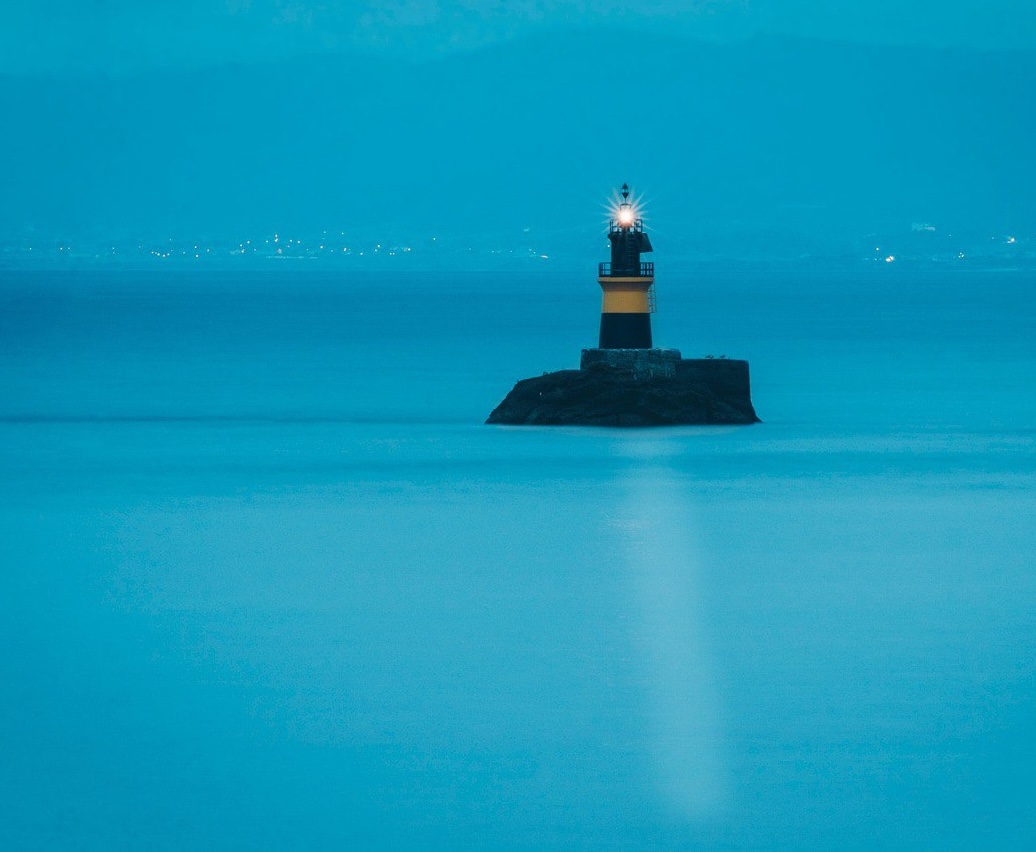
Galicia sits in the top-left corner of Spain, looking more like a mist-shrouded slice of Ireland than anything remotely Mediterranean. It is a land where the sun doesn’t shine; it struggles. The coastline is a jagged masterpiece of dramatic cliffs and rías - drowned river valleys that create deep, protected inlets where some of the world’s best seafood is harvested. The local language, Galego, sounds like a lyrical marriage between Portuguese and Spanish, and the bagpipes - the gaita - are a common soundtrack at festivals. The Celts were here long before the Romans, and the locals are fiercely proud of this heritage, often reminding you of their Atlantic roots without any prompting.
Santiago de Compostela: The Final Mile
Santiago is the finish line for the Camino de Santiago. Every day, pilgrims who have trekked 500 or even 800 kilometers arrive in the Praza do Obradoiro, stand before the cathedral, and undergo a visible emotional collapse. It is a city that has been receiving exhausted travelers since the Middle Ages, and the granite streets have been worn smooth by millions of footsteps.
The old town is a labyrinth of stone buildings and arcades designed specifically to provide shelter from the frequent Atlantic drizzle. Even if you aren’t religious, the cathedral is a Baroque masterpiece that demands attention. Because it hosts a massive university - 30,000 students in a city of less than 100,000 - Santiago feels vibrant and intellectual rather than just a tourist trap.
For digital nomads who are tired of the scorching heat in Valencia or Madrid, Santiago is strangely appealing. We found a one-bedroom apartment in the historic center for €650 a month, which is nearly half the price of a similar flat in Barcelona. The wifi in the local cafes is reliable, and while the co-working scene is smaller, the Spain Digital Nomad Visa is an excellent option here because the lower cost of living makes the financial requirements much easier to manage. You get a fully functional city with world-class infrastructure, but at a price point that allows you to actually enjoy your life.
A Coruña: The Glazed City of the Atlantic
A Coruña is Galicia’s working heart. It’s a major port city with a shipbuilding history and a seafront that takes the full brunt of Atlantic storms. It is home to the Torre de Hércules, a Roman lighthouse that has been guiding ships for 2,000 years and is still operational today.
The city’s architectural signature is the galerías - white wooden balconies enclosed in glass that face the harbor. They were designed to maximize sunlight in a region where clouds are the default setting, creating a shimmering effect along the waterfront that has earned A Coruña the nickname “The Glass City.“
We spent six weeks here as the weather turned toward winter. The Spain lifestyle comparison between a place like A Coruña and a southern city like Málaga is stark. Here, you aren’t living in a tourism-driven bubble; you are living in a real city with real jobs. People don’t wait for the holiday season to enjoy the beach (Riazor is right in the city center); they walk it year-round in their raincoats. For expats in Spain who want an Atlantic lifestyle without the chaos of a metropolis, A Coruña is a sophisticated, understated choice.
Explore festivals, fairs, and cultural celebrations across Galicia.
Galicia EventsThe Rías Baixas and the Cult of Albariño
The southern inlets, known as the Rías Baixas, are where Galicia softens slightly. This is Albariño country. Cambados, the unofficial wine capital, is a town of granite plazas and bodegas where you can get a tasting of world-class white wine for about €5.
The water in the Rías is calmer than in the north, and there are actual beaches with white sand. However, the water is cold. Galicians swim in it, but they don’t lounge in the surf like people in the Mediterranean; it’s a quick, bracing plunge. If you are wondering about the best time to go to Spain to visit this region, aim for late summer or early autumn. This is when the weather stabilizes, the grape harvest begins, and the seafood festivals are in full swing.
Vigo and Lugo: The Functional Extremes
Vigo is Galicia’s largest metropolitan area and is almost completely ignored by the Spain travel guide industry. It is a grit-and-gears industrial city that makes its money from fishing and cars. But the Casco Vello (old town) is beautiful in a rugged way, and the oyster bars near the market serve the best oysters in Spain at prices that feel like a typo. It’s a great choice if you are relocating to Spain and want to avoid the “expat circus“ entirely.
Lugo, on the other hand, is landlocked and famous for having the only complete Roman walls in the world that still encircle an entire city. You can walk the full 2-kilometer circuit on top of the walls, looking down into the medieval streets below. It is the least touristy of Galicia’s major cities, which means the food is cheaper and the interactions are more authentic.
Seafood as a Way of Life
In Galicia, food is either seafood or an afterthought. The percebes (goose barnacles) are the most famous delicacy. They look like alien claws and cost upwards of €80 a kilo because harvesting them from the wave-battered rocks is genuinely life-threatening work.
The Reality of the “Orbaju“
The cost of living here is moderate - certainly higher than in the rural south, but far below Catalonia. A couple can live comfortably on €1,400 to €1,800 a month. However, you are making a specific trade-off: you are trading sunshine for the orbaju - the constant, fine Galician drizzle.
The landscape is green because it rains, and the people are a bit more reserved and “Atlantic“ than their southern counterparts.
Quick Hits for Your Radar:
- Islas Cíes: Protected islands off the coast of Vigo with “Caribbean“ beaches and freezing water. You need a permit to visit.
- Ribeira Sacra: Massive river canyons inland with vineyards clinging to nearly vertical cliffs.
- Pontevedra: A city that has completely banned cars in its historic center, making it the most walkable town in the country.
The best time to go? June through September is your best bet for avoiding a total washout. October is moody but beautiful if you have the right gear.
Best time to visit: June through September is your best bet for avoiding a total washout. October is moody but beautiful if you have the right gear.
Thinking of relocating to Galicia? Set your priorities — climate, cost of living, healthcare, culture — and discover where your lifestyle truly fits best.
Start Life Assessment →