
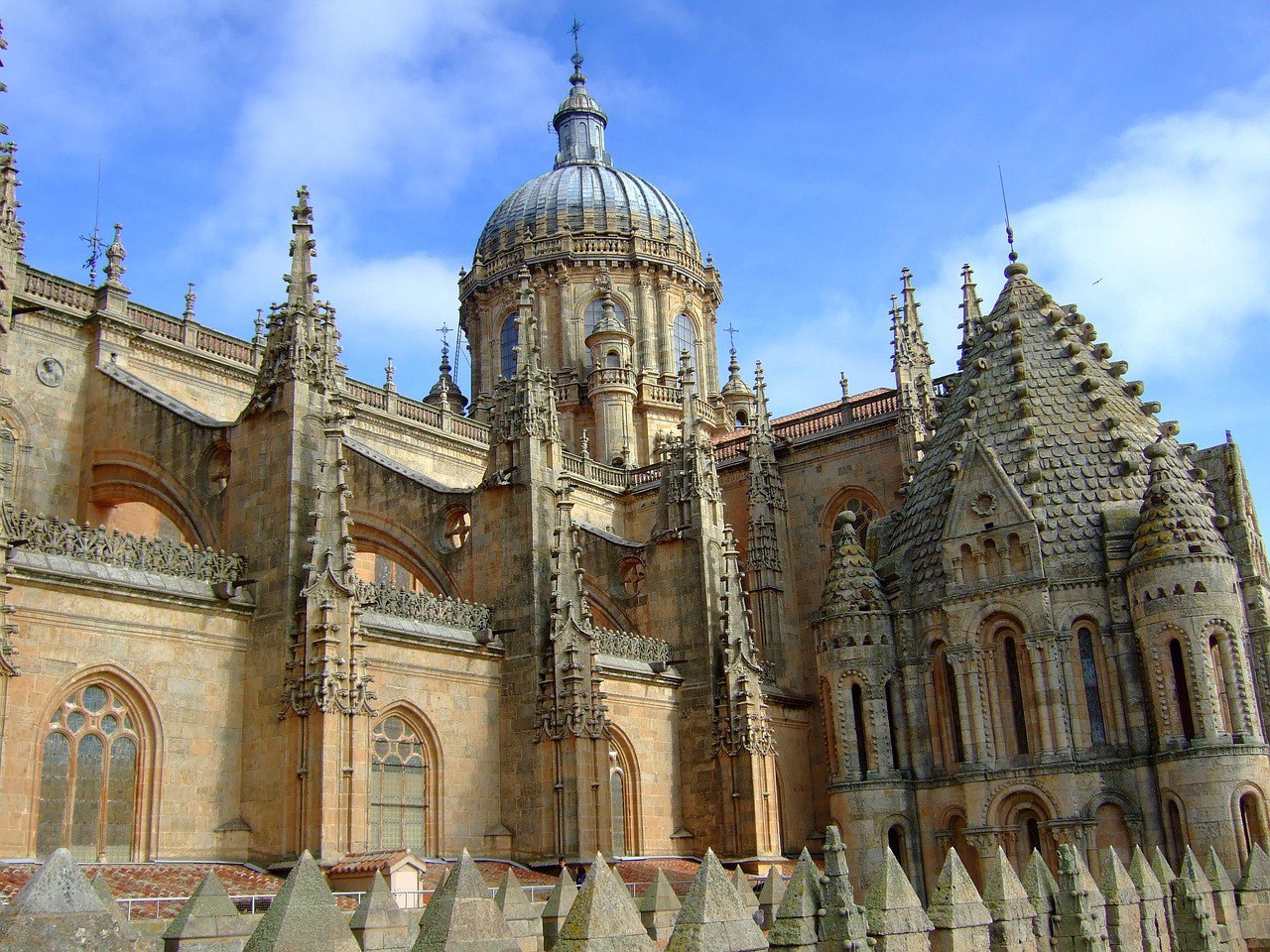
Castilla y León is the expansive, silent heart of the Spanish map that most travelers only ever see through the window of a high-speed train as they zip between Madrid and the northern coast. It is a massive sweep of high plateau, a land of endless horizons studded with golden-stone medieval cities, Romanesque churches tucked into crumbling villages, and a wine country that quietly produces vintages rivaling Rioja for a fraction of the price.
This is not the Spain of breezy Mediterranean postcards. This is the place where Spain actually began - the stern, high-altitude kingdoms that drove out the Moors, unified a dozen warring crowns, and eventually financed Columbus’s journey west. Despite that heavyweight history, tourists often treat the region as a flyover zone. We chose to do the opposite and spent three months last winter bouncing between Salamanca, Segovia, and a tiny village outside Valladolid. We expected it to be cold and perhaps a bit dreary; instead, it was a masterclass in what Spain looks like when it isn’t trying to impress anyone.
Salamanca: The University Town That Forgot to Grow Up
Salamanca is a city that literally glows. The entire historic center is built from Villamayor sandstone, which contains a high concentration of iron that oxidizes over time, turning the buildings a deep, burnt orange. At sunset, the city looks like it’s being lit from within.
It has been a student town since 1218, and that 800-year-old academic energy is the city’s lifeblood. Unlike many historic centers in Europe that feel like museums after the sun goes down, Salamanca stays up late. The Plaza Mayor is widely considered the most beautiful square in the country, but it isn’t just a place for tourists to take photos - it’s the city’s living room, where students argue over philosophy and locals meet for a “vermut“ before lunch.
The Spain Digital Nomad Visa is an incredibly practical tool here because the cost of living is low enough that you can actually build a savings account while meeting the income requirements. The only real caveat is the weather. Winter here is serious. It isn’t the “wear a light sweater“ version of Spain; it’s a bone-chilling, wind-swept cold that requires a heavy coat and a love for thick stews.
Segovia: Engineering Genus and Disney Dreams
Segovia is dominated by a Roman aqueduct that feels like a glitch in the matrix. It has been standing in the center of town for 2,000 years, 167 arches of granite held together by nothing but physics and Roman engineering - not a single drop of mortar was used. It still looks like it could carry water tomorrow if the city felt like it.
For expats in Spain weighing a Spain lifestyle comparison between the different regions, Segovia offers a very specific trade-off: you are swapping beaches and nightlife for deep history and a 30-minute train connection to Madrid. It’s a small, walkable city where you’ll start recognizing faces at the market within three weeks. Rent is manageable, usually between €500 and €700, and the lifestyle is anchored by the local obsession with cochinillo asado (roast suckling pig), a dish so tender it is famously carved with the edge of a ceramic plate.
Explore festivals, fairs, and cultural celebrations across Castile and León.
Castile and León EventsValladolid and the Reality of Relocating
If Salamanca is the beauty and Segovia is the history, Valladolid is the workhorse. It doesn’t pretend to be charming, and it doesn’t have a marketing department trying to lure you in. It’s a bustling regional capital of 300,000 people where the economy is built on industry and agriculture rather than fridge magnets.
For anyone seriously relocating to Spain and wanting to avoid the “expat bubble,“ Valladolid is a sink-or-swim paradise. It’s clarifying. You either integrate or you feel very lonely, very quickly. But the reward is a world-class sculpture museum, a legendary film festival in October, and a tapas scene in the Barrio Húmedo that rivals anything in the Basque Country.
The Wine Country Nobody Mentions
While everyone knows Rioja, the wine connoisseurs are all looking toward Ribera del Duero. The vineyards follow the Duero River through a landscape that is flat, brown, and beautiful in a very stark, unforgiving way. The wines here are powerful Tempranillos that have a muscle and depth you don’t find on the coast.
If you’re wondering about the best place in Spain to go for wine tourism without the corporate sheen, this is it. We spent days driving between family-run bodegas near Peñafiel. For €10, you aren’t just getting a glass; you’re often getting a tour from the grandson of the man who planted the vines. The best time to go to Spain for this is October during the harvest, when the air smells of fermenting grapes and the plateau turns a fiery gold.
Living on the Plateau: The Practical Truth
Choosing Castilla y León is choosing substance over flash. The cost of living is arguably the lowest of any major Spanish region. A couple can live an incredibly comfortable life on €1,500 a month, including rent and frequent trips to the theater or out for dinner.
The downside is the “Castilian Character.“ The people here are notoriously “seco“ - dry. They aren’t rude, but they aren’t effusive like the Andalusians. They are polite, serious, and value privacy. Integration happens slowly. You prove your worth by showing up to the same cafe every morning for three months. Eventually, the owner will stop charging you for the extra pastry, and that’s when you know you’ve “arrived.“
A Few Stops You’ll Regret Missing:
- Ávila: Walk the top of the perfectly preserved medieval walls that encircle the entire city.
- Burgos: The cathedral here is a Gothic masterpiece that took three centuries to finish. It’s overwhelming.
- The Romanesque Route: In the north (Palencia), there are dozens of 11th-century stone churches in tiny villages. Most are locked, but the local caretaker usually lives next door with a massive iron key.
The best time to go? May and June are perfect. The fields are green, the sun is out, but the “Castilian furnace“ of summer hasn’t kicked in yet. September and October are also great for the harvest colors.
Best time to visit: May and June are perfect. The fields are green, the sun is out, but the “Castilian furnace“ of summer hasn’t kicked in yet. September and October are also great for the harvest colors.
Thinking of relocating to Castile and León? Set your priorities — climate, cost of living, healthcare, culture — and discover where your lifestyle truly fits best.
Start Life Assessment →