
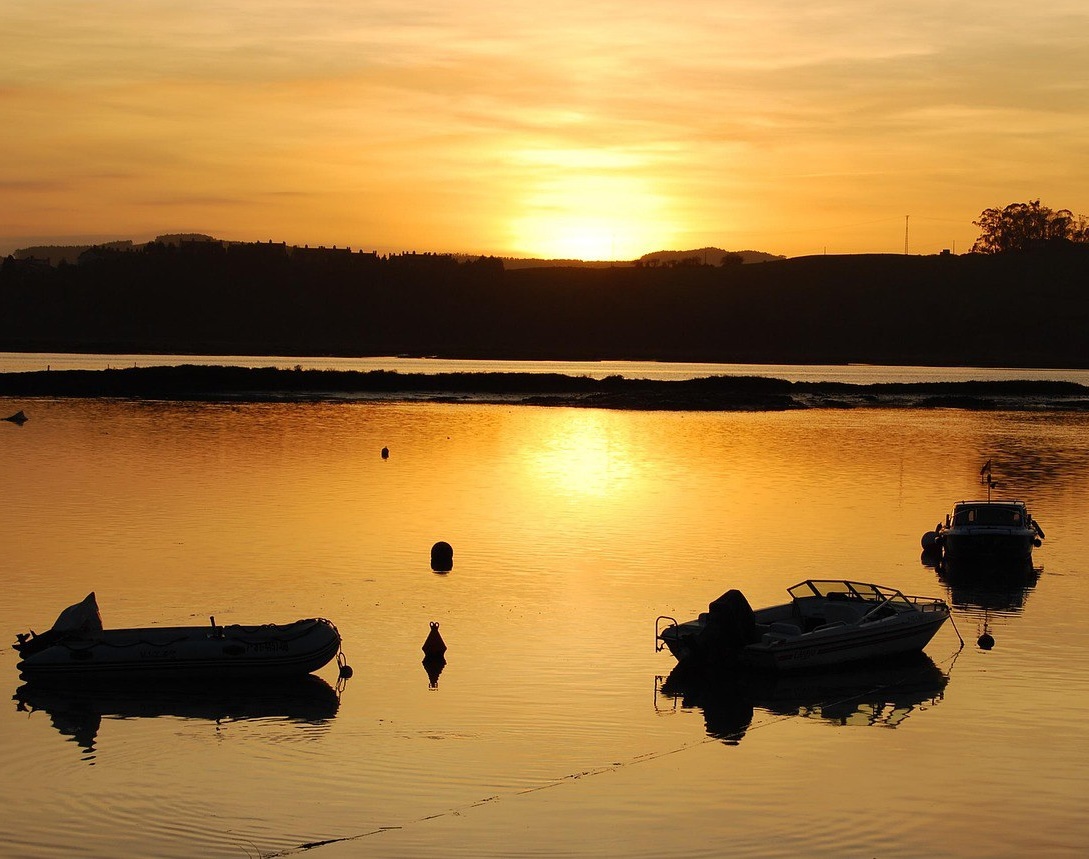
We know what you’re thinking. You want the postcard. You want the Mediterranean sun and the easy expat community where everyone speaks English and the biggest stress is choosing which terrace to have your spritz on. But if your idea of a perfect beach involves white leather sofas and a DJ, Cantabria will likely disappoint.This isn’t the Spain of travel brochures; it’s the Spain of mud on your boots and the smell of sea salt and diesel in the ports.
Cantabria sits wedged between Asturias and the Basque Country like the middle child nobody remembers to introduce at family gatherings. It has the same jagged Atlantic coastline, the same “holy crap“ mountain views, and, honestly, better beaches than its louder neighbors. But somehow, it stays off the radar. Which, if you ask the locals while they’re nursing a morning coffee, is exactly how they want it.
We ended up in Santander last spring because we were burning out on Barcelona’s relentless, tourist-choked hustle. The plan was a week. We stayed a month. Cantabria is what happens when you take the rugged, rainy beauty of the north, subtract the crowds, and end up with a place that feels like Spain’s best-kept secret.
Santander: A Belle Époque Reset
The city burned to the ground in 1941. Instead of building a fake medieval theme park, they built wide boulevards and elegant resorts. El Sardinero beach curves along the bay like a postcard that hasn’t been color-corrected yet.
For digital nomads in Spain who want a city that actually functions without the chaos of a metropolis, Santander is a weirdly perfect fit. We spent weeks testing the wifi in cafes around the center - it’s solid, and the cost of living won’t make you weep. You can find a one-bedroom for €650-€800. Try doing that in San Sebastián without living in a closet.
The Spain Digital Nomad Visa crowd is starting to trickle in, mostly because the infrastructure is top-tier and you can be surfing ten minutes after you close your laptop. But don’t expect the locals to roll out a red carpet; they’re polite, but they won’t care about your “brand“ until you’ve been buying bread from the same guy for at least six months.
Architecture, Squid, and Moving Realities
Comillas is an architectural fever dream. It’s got a Gaudí building (El Capricho) that looks like a giant, tiled sunflower, and a university that looks like a Tim Burton set. We met a British couple there who were mid-way through moving to Spain. They’d tried the Costa del Sol first but hated the “expat bubble“ vibe.
“Too many people selling the same dream,“ the wife told us over a plate of rabas - fried squid that is basically a Cantabrian religion. They’re light, salty, and served with a lemon squeeze that cuts right through the grease. Now they’re renovating an old stone house nearby, discovering that the building permit process in Spain moves at the speed of a retreating glacier. That’s the reality of relocating to Spain - the lifestyle is great, but the paperwork is a boss fight you have to be prepared to lose a few times before you win.
Explore festivals, fairs, and cultural celebrations across Cantabria.
Cantabria EventsThe Picos and the Prehistoric
While Asturias gets all the credit for the Picos de Europa, Cantabria has the “cheat code“ access. The cable car at Fuente Dé shoots you up 750 meters into high mountain terrain in four minutes. Potes is the base-camp town - stone walls and restaurants serving cocido lebaniego, a stew so heavy you’ll need a three-hour nap just to recover from looking at the plate. It’s built on chickpeas, kale, and various cuts of pork that have been simmering since the dawn of time.
The best time to go? For the mountains, hit it in late spring or early autumn. Summer is too crowded; winter is only for people who enjoy being damp and miserable at high altitudes.
And then there are the caves. Altamira is the famous one, but El Castillo has handprints from 40,000 years ago. Standing in a cold, damp limestone chamber in front of a red disc painted by a human who lived before the concept of “history“ existed… it recalibrates your ego. It makes the “urgent“ emails in your inbox feel pretty pathetic.
The Lifestyle Comparison: Is It For You?
If you’re doing a Spain lifestyle comparison, Cantabria is the “quiet luxury“ option. You’re not in a tourist trap. You’re in a real place where people work, fish, and make some of the best anchovies on the planet. Santoña’s anchovies are meaty, delicate, and nothing like the salt-bombs on cheap pizza. They’re cleaned by hand by women who have been doing it for forty years, and you can taste that level of obsession in every bite.
- The Trade-off: It rains. This is the “Green Coast“ for a reason.
- The Best Places to Go: Stick to the Liébana Valley for microclimates or San Vicente de la Barquera for sunset views over a medieval bridge that looks like a scene from Lord of the Rings.
- Expat Reality: Expats in Spain who settle here are usually looking to disappear into the local culture, not find a massive English-speaking social club. You’ll need the language. Not just for the bureaucracy, but so you can understand the old man at the bar explaining why the local butter is superior to anything produced on the mainland.
Cantabria doesn’t perform. It doesn’t have a massive marketing budget trying to convince you it’s the next Tuscany. It’s just a strip of coast with serious mountains and people who are fine with you being there, provided you aren’t obnoxious. Sometimes, that’s exactly enough.
Best time to visit: Late spring or early autumn. Summer is too crowded; winter is only for people who enjoy being damp and miserable at high altitudes.
Thinking of relocating to Cantabria? Set your priorities — climate, cost of living, healthcare, culture — and discover where your lifestyle truly fits best.
Start Life Assessment →