
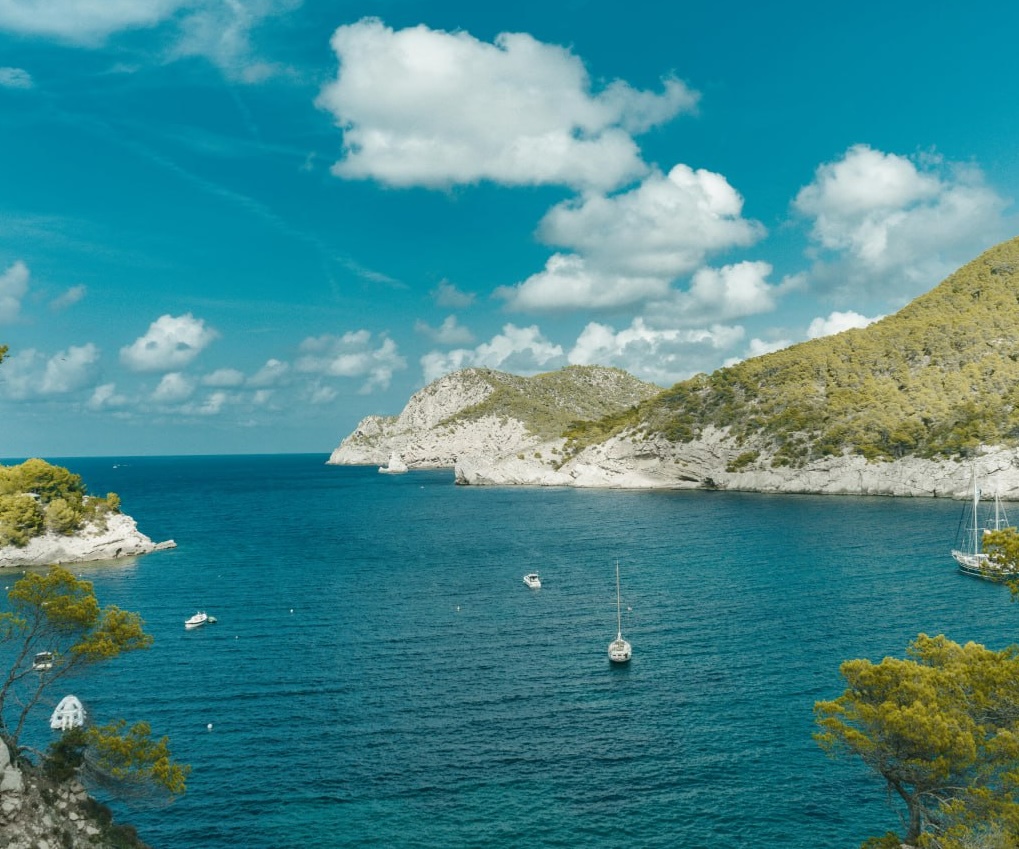
The Balearic Islands have a PR problem, and frankly, they’ve earned it.
Mention Mallorca, Menorca, Ibiza, or Formentera, and most people immediately picture a neon-soaked nightmare of drunk tourists or billionaires’ yachts clogging up the horizon. And yeah, that version exists. But there is another Balearic reality - one that breathes before 11 AM and thrives long after the September crowds vanish.
We spent a month island-hopping last fall, and it broke our brains. We realized that the Balearics aren’t a monolith; they are four distinct, stubborn personalities sharing the same patch of turquoise Mediterranean. It’s not just a party. It’s a high-stakes balancing act between ancient tradition and modern glitz.
Palma: The City That Doesn’t Need You
Most Spain travel guides treat Palma de Mallorca as a gateway to the resorts. Big mistake. Palma doesn’t need your validation. It’s a functioning, sophisticated city with a 13th-century cathedral (La Seu) that is so massive it feels like it’s anchoring the island to the seabed.
If you’re considering living in Spain, Palma is a fascinating, if expensive, experiment. The old town, or Casc Antic, is a labyrinth of cool stone alleys and hidden courtyards where locals still argue about football over glasses of hierbas.
- The Expat Reality in Palma:
- Rent: Brace yourself. You’re looking at €900-€1,500 for a one-bedroom in the center.
- The Vibe: It’s one of the best places in Spain to go if you want island life without sacrificing high-speed fiber and a decent hospital.
- The Bubble: There’s a massive international crowd here. For expats in Spain, integration is easy, but you have to fight to leave the “English-speaking bubble.“
The Tramuntana: Mallorca’s Limestone Spine
Northwest of the city, the landscape goes vertical. The Serra de Tramuntana mountains are a UNESCO-protected madness of olive groves and stone villages like Valldemossa and Deià. Robert Graves lived here; Chopin froze his tail off here.
Hiking these peaks is serious business. If you’re scouting places to go in Spain for trail running or cycling, this is the holy land. We had lunch in Fornalutx - voted the prettiest village in Spain so many times it’s almost annoying - and the chef just brought out what he’d cooked: tumbet (a vegetable masterpiece) and lamb. No menu. No fuss. Just €28 for a meal that tasted like the earth.
Explore festivals, fairs, and cultural celebrations across Balearic Islands.
Balearic Islands EventsMenorca and the Slow Burn
If Mallorca is the extroverted sibling, Menorca is the one who stayed home to read. It’s quieter, flatter, and fiercely protective of its biosphere status.
For digital nomads in Spain who find the noise of Ibiza or Palma distracting, Menorca is becoming the quiet favorite. Moving to Spain usually implies a search for peace, and Menorca delivers that - especially in Mahón and Ciutadella.
- The Catch: In winter, it’s quiet. Not “peaceful“ quiet - dead quiet. Many businesses shutter. But if you’re a writer or a remote worker who thrives on solitude and gin (the local British-legacy obsession), it’s perfect.
Ibiza: Beyond the Bass Drop
Ibiza has two faces. There’s the one everyone knows - the world-class clubs and the €20 bottled water. Then there’s Dalt Vila, the old town fortress where the stone streets feel like they’ve been there since the dawn of time.
Relocating to Spain via Ibiza is a rich man’s game, honestly. Rent is astronomical - think €1,200+ for a shoebox. But if you head north to villages like San Carlos or Sant Josep, you find the old hippie spirit and the farmers who couldn’t care less about who’s DJing at Pacha. It’s a strange, beautiful contrast.
The Island Lifestyle Comparison
Let’s talk money and reality. How do the islands stack up against the mainland?
- The Premium: You will pay 40-60% more for groceries and rent here than you would in Asturias or Aragón. Everything has to be shipped in.
- The Climate: Winter is a mild 10-16°C. It’s never truly “cold,“ which is why it’s one of the best places to live in Spain for the sun-starved.
- The Connectivity: Unlike remote mainland villages, the islands have incredible flight connections. You can be in London or Berlin in two hours.
When to Actually Show Up
The best time to go to the Balearics is a tactical decision.
- Spring (April-May): Everything is blooming, the water is starting to wake up, and you can actually get a table at a restaurant.
- Fall (October): The sea is still warm from the summer sun, but the “party-hard“ crowds have evaporated. This is when the islands feel most like themselves.
The Verdict
The Balearics are for the expats in Spain who have outgrown the need for “undiscovered“ grit and want infrastructure that works. It’s for the digital nomads in Spain who want to surf or hike in the morning and have a world-class meal at night.
It’s expensive. It’s crowded in July. It’s a bit of a PR disaster. But once you’re sitting on a limestone cliff in Menorca or drinking a coffee in a Palma plaza, you realize the islands don’t care what you think of them. They’ve been perfect for thousands of years.
Best time to visit: April through May (everything blooming, restaurants accessible) or October (sea still warm, party crowds gone). Avoid July unless you thrive on chaos.
Thinking of relocating to Balearic Islands? Set your priorities — climate, cost of living, healthcare, culture — and discover where your lifestyle truly fits best.
Start Life Assessment →