
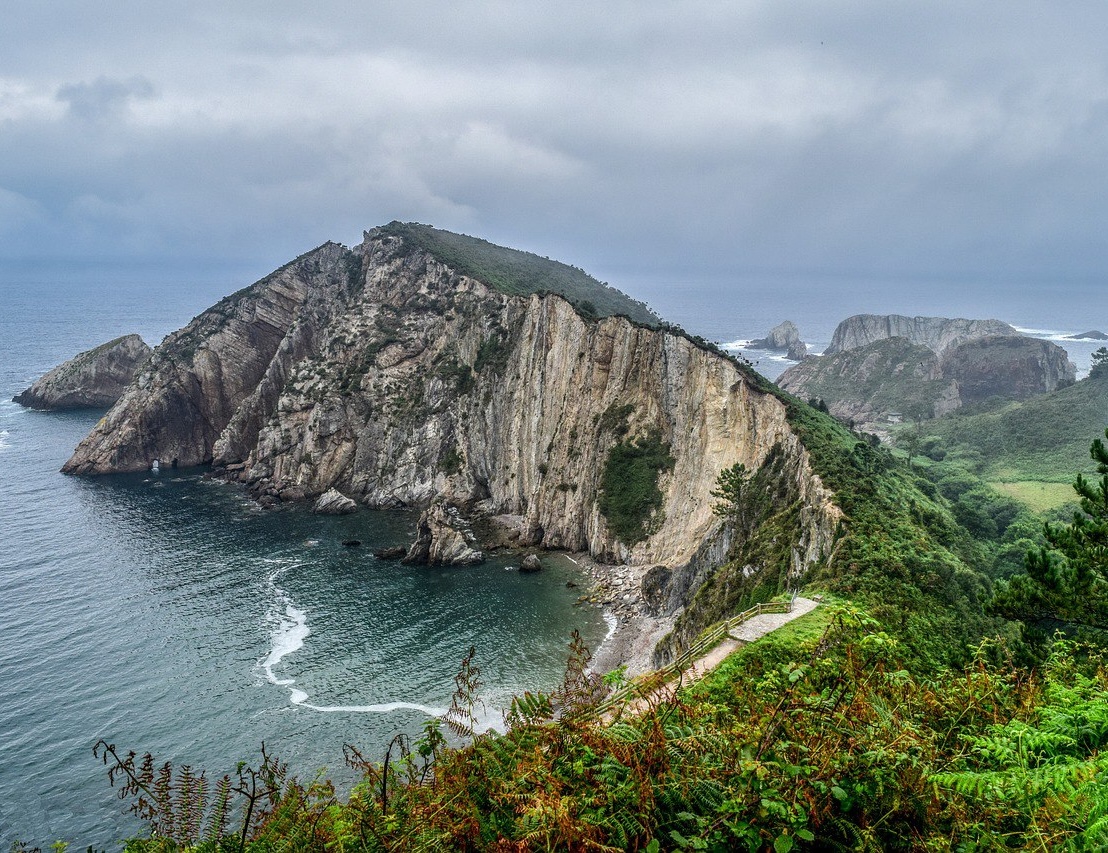
Asturias sits in northern Spain looking vaguely annoyed that you just noticed it exists. While the rest of the country is busy selling sunshine and cheap sangria, this green wedge between the Cantabrian Sea and the Picos de Europa just keeps doing its thing. It’s a place of rain, cows that outnumber the locals in the high valleys, and beaches that stay bracingly cold even in the height of August.
We spent two weeks here last October. It recalibrated everything we thought we knew about where to go in Spain. If you’re looking for the Mediterranean, you’re in the wrong place. This is Atlantic. It’s Celtic. It’s stubborn. Honestly, it’s got more in common with the rugged cliffs of Brittany or the mossy hills of Ireland than anything you’ll find south of Madrid.
The “Anti-Instagram“ Appeal
The problem with most Spain tourism is the script. Everyone wants the same three photos. Asturias doesn’t offer that. The weather is moody - one minute you’re looking at a limestone peak, the next you’re inside a cloud. But that’s the point. It’s one of the best places in Spain to go if you want to feel something other than the heat of a crowded plaza.
For digital nomads in Spain, or anyone seriously relocating to Spain because they’re tired of the “Disney-fied“ version of Europe, Asturias is quietly becoming a thing. We tested the internet in a dozen cafes in Gijón while locals argued over the proper way to pour cider. It’s solid. And the cost? You’re looking at maybe €600 for a decent apartment in Oviedo. Try finding that in Madrid.
Oviedo, Gijón, and the Cider Ritual
The “Twin Cities“ couldn’t be more different. Oviedo is the polished one - medieval, clean, and full of pre-Romanesque churches. Woody Allen loves it here, but don’t let that put you off. The cider bars (sidrerías) in the old quarter are where the real soul is. You don’t just “drink“ cider here. The waiter pours it from high above their head to aerate it, aiming for a glass held at their hip. A splash hits the floor. You drink the “culín“ in one go. You repeat until the world feels a bit softer.
Gijón, thirty minutes north, is the grittier sibling. It’s an industrial port that’s managed to keep its edge while building a legit surf scene. For expats in Spain who want a real economy - not just a tourism machine - Gijón is a strong contender.
Explore festivals, fairs, and cultural celebrations across Asturias.
Asturias EventsVertical Madness in the Picos
The Picos de Europa are objectively insane. They are jagged, limestone teeth that shoot straight out of green pastures. We met a German couple in a village near Cangas de Onís who were mid-way through moving to Spain. They’d tried Málaga first. “Too many Germans,“ the husband told us over a plate of Cabrales - a blue cheese so aggressive it felt like it was biting back. Now they’re renovating a stone house and learning Asturianu from neighbors who find their accent hilarious.
If you’re wondering about the best time to go to Spain for hiking, aim for late spring or early fall. Summer brings the crowds (mostly Spaniards escaping the heat), and winter is strictly for people who enjoy being cold and damp.
The Great North-South Divide
Let’s do a quick Spain lifestyle comparison.
- The South: Hot, dry, tourist-heavy, flamenco.
- Asturias: Rainy, emerald green, cider-based, Celtic.
The locals here - the Asturianos - are a different breed. They don’t have that Andalusian “open-arms“ theatricality. They are quiet, observant, and fiercely loyal once you’ve shared a few bottles of sidra. There is a pride here that goes back to the Reconquista; they’ll remind you (repeatedly) that this was the only part of Spain the Moors never took. “Asturias is Spain,“ they say, “the rest is conquered land.“ It’s a bit of bravado, sure, but after three days of breathing that mountain air, you start to believe them.
Practical Bits for the Relocation-Curious
If you’re genuinely looking at moving to Spain, the Digital Nomad Visa is your best friend here. The lower cost of living means you qualify easier. The healthcare is top-tier, and the air quality makes you feel like you’ve been living in a vacuum-sealed bag your whole life.
You also have to talk about the food. You don’t “snack“ here; you endure. A Fabada Asturiana - the local white bean stew - is a heavy-duty caloric commitment involving morcilla, chorizo, and enough pork fat to fuel a small vessel. It is designed for people who work in the rain. Eat it for lunch and don’t expect to be productive until the following Tuesday.
Quick Stops for the Road:
- Cudillero: A fishing village that looks like it was built by a kid with colorful Legos.
- Llanes: For the blowholes (Bufones) that shoot seawater twenty meters into the air.
- Playa de Gulpiyuri: A beach in the middle of a meadow. No, really. It’s a sinkhole that lets the tide in.
The best time to go? September. The apple harvest is starting, the mountains are clear, and the tourists have all gone back to their offices.
Asturias doesn’t perform for you. It won’t bend over backward to make sure you’re comfortable. But if you meet it on its own terms - if you buy the waterproof jacket and learn to drink the cider - it’ll show you a side of the country that feels honest. It’s the kind of place that stays with you long after the sun-lounger tan of the Costa del Sol has faded.
Best time to visit: September. The apple harvest is starting, the mountains are clear, and the tourists have all gone back to their offices.
Thinking of relocating to Asturias? Set your priorities — climate, cost of living, healthcare, culture — and discover where your lifestyle truly fits best.
Start Life Assessment →