
Spain Theater Festivals Guide: Best Places, Timing & Why Performance Art Makes Travel Worth It
Beyond Beaches and Gaudí: Discover Spain's Hidden Cultural Soul
Most travelers planning where to go in Spain think about the predictable trio: gold-sand beaches, Gaudí's undulating stone, and perhaps a late-night flamenco show if they're feeling particularly "cultural." But they are missing the actual story of the Spanish soul.
Spain's theater festival circuit is one of Europe's best-kept secrets. It isn't the kind of secret people whisper about to protect; it's the kind nobody bothers to mention because it's so deeply woven into the local fabric that they assume you already know. We are talking about ancient Roman amphitheaters hosting Greek tragedies at sunset, or Baroque courtyards that haven't changed since the 1600s. We spent the better part of last summer chasing these stages across the country, from the dry plains of Extremadura to the misty foothills of the Pyrenees, and it recalibrated everything we thought we knew about Spain tourism.
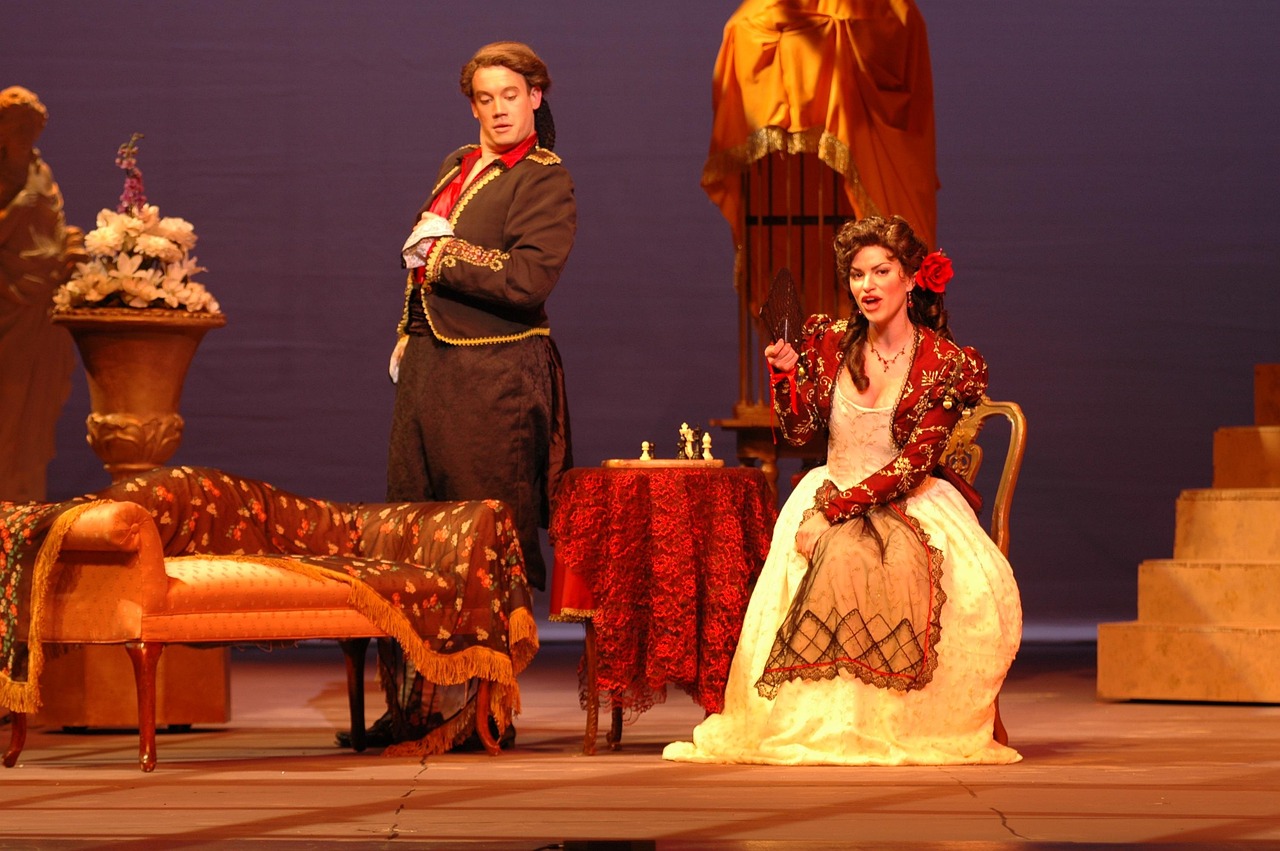
Theater here isn't a "thing to do" that you tack onto an itinerary. It becomes the anchor. The food, the landscape, and the late-night wine-fueled debates in the plaza all arrange themselves around the performance. If you're willing to plan a trip around a single show - watching a play in a language you may only partially speak - you'll discover that the best places to go in Spain aren't always museums. Sometimes, they are 400-year-old wooden courtyards in towns you can't yet pronounce. Looking for more cultural events? Explore our complete events calendar for festivals across all Spanish regions.
Why the Festival Circuit is Essential for the Long-Term Expat
If you are already living in Spain or considering relocating to Spain long-term, the theater calendar offers an entirely different map of your new home. Most Spain travel guides treat culture as a box to be ticked, but these festivals are occupations. When a festival arrives, the entire town reorganizes itself. Restaurants extend their hours, plazas become makeshift lecture halls, and you'll find yourselves arguing about a director's interpretation with a local baker over a glass of red at 2:00 AM.
For digital nomads in Spain who have grown restless with the standard co-working-and-tapas routine, this circuit offers a deeper layer of integration. It reveals that Spanish culture is participatory, not just consumptive. We didn't just watch; we were absorbed into the civic life of the place.
Summer: The Giants of the Spanish Stage
Almagro: The Golden Age in a Wooden Box
Castilla-La Mancha, July 2026
In July, Almagro ceases to be a normal town and becomes a theater kingdom. This is the global headquarters for Spanish Golden Age drama - Lope de Vega, Calderón de la Barca, and the rest of the 17th-century heavyweights.
The crown jewel is the Corral de Comedias. Built in 1628, it's a stunning survivor: a dirt-floor courtyard surrounded by three tiers of wooden galleries. Watching a play here, sitting on those same wooden benches as people did four centuries ago, makes the modern "immersive theater" trend look a little thin. We recall a conversation with a professor from Salamanca during an intermission. We were leaning against a stone column, drinking wine out of plastic cups. "Every summer we come back," she told us. "Madrid is a photocopy. This is the original."
- Official Site: Festival Internacional de Teatro Clásico de Almagro
What makes Almagro a "best place in Spain to go":
- The Scale: The town is tiny and walkable. Theater is inescapable.
- The Rhythm: Shows end late. The plazas stay packed until dawn with people dissecting the performances.
- Accessibility: It's an easy 2.5-hour train ride from Madrid, making it a perfect weekend escape for those based in the capital.
Mérida: Roman Grandeur Under the Stars
Extremadura, late June through August 2026
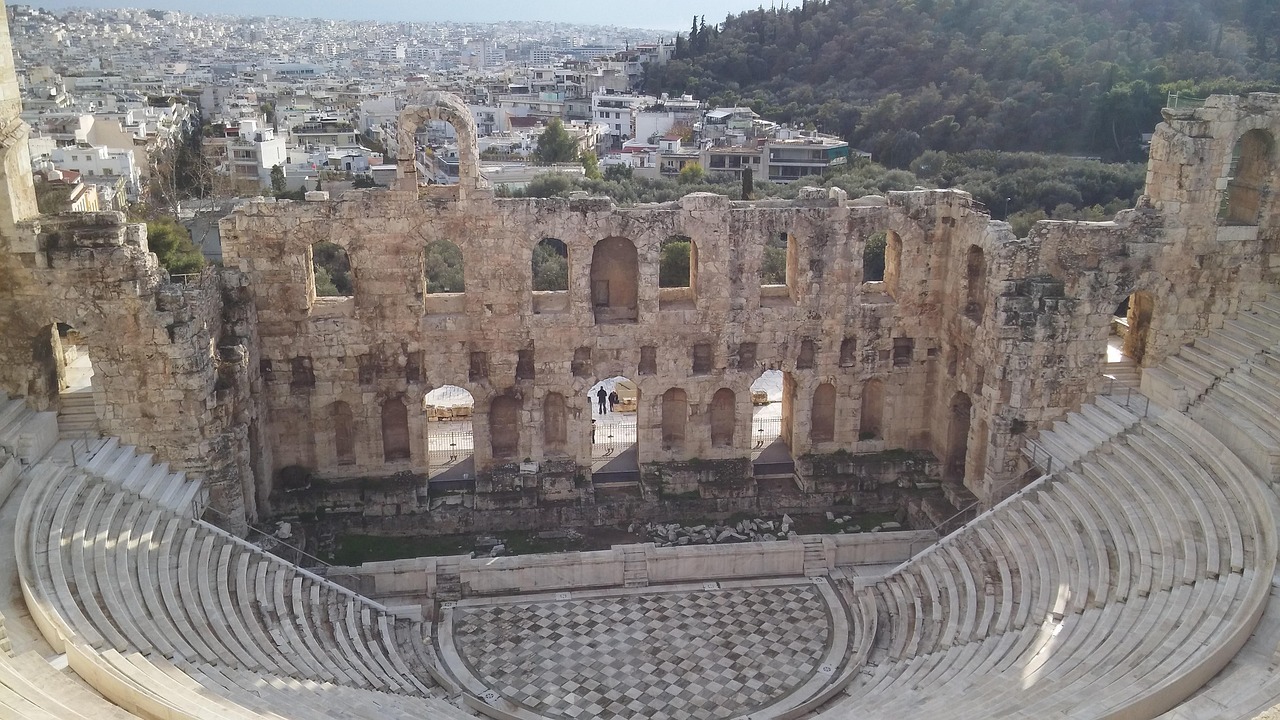
The Festival de Teatro Clásico de Mérida works on a simple, arrogant, and entirely correct premise: why build a set when you have a Roman theater from the 1st century BC? The Teatro Romano seats 6,000 people. Stone terraces climb the hillside, and a two-story backdrop of columns and statues provides a scale that no indoor venue could ever dream of matching.
We saw Sophocles' Electra here on a sweltering July evening. There was a moment - a scream from the lead actress that echoed off the ancient stone and carried over the silent crowd - where for ten seconds, everyone forgot they were watching a play. It was just pure human rage bouncing around a space built specifically by Romans to amplify that exact emotion.
- Official Site: Festival de Mérida
- Explore the Region: Discover more cultural events in Extremadura throughout the year
Shoulder Season: When the Locals Take Over
Eibar: Theater in Sweatpants
Basque Country, February - March 2026
If the summer festivals are Spain dressed up for company, the Jornadas de Teatro de Eibar is Spain in its kitchen, making breakfast. Eibar is a gritty, working-class city in Gipuzkoa - historically industrial and proud of it. There is no ancient Roman venue here; just a community that decided theater mattered and built a world-class program around that belief.
The tickets are cheap (€10-€25), and the audience is almost entirely local. It's a mix of Basque-language productions and contemporary Spanish drama. For digital nomads in Spain looking to understand how the country functions outside the tourist "fun zones," Eibar is a masterclass in local pride. Plus, being in the heart of the Basque Country, the pintxos scene is a valid reason to visit on its own.
- Official Site: Jornadas de Teatro de Eibar
- Explore More: Find cultural events throughout the Basque Country
Titiristán: Puppets in the Mountains
Istán, Andalusia, September 2026
Don't let the word "puppet" fool you. Titiristán, held in the mountain village of Istán above the Costa del Sol, treats puppetry as a sophisticated art form for all ages. Every September, the town's plazas and parks become stages for international puppeteers using shadow, objects, and marionettes to tell complex stories.
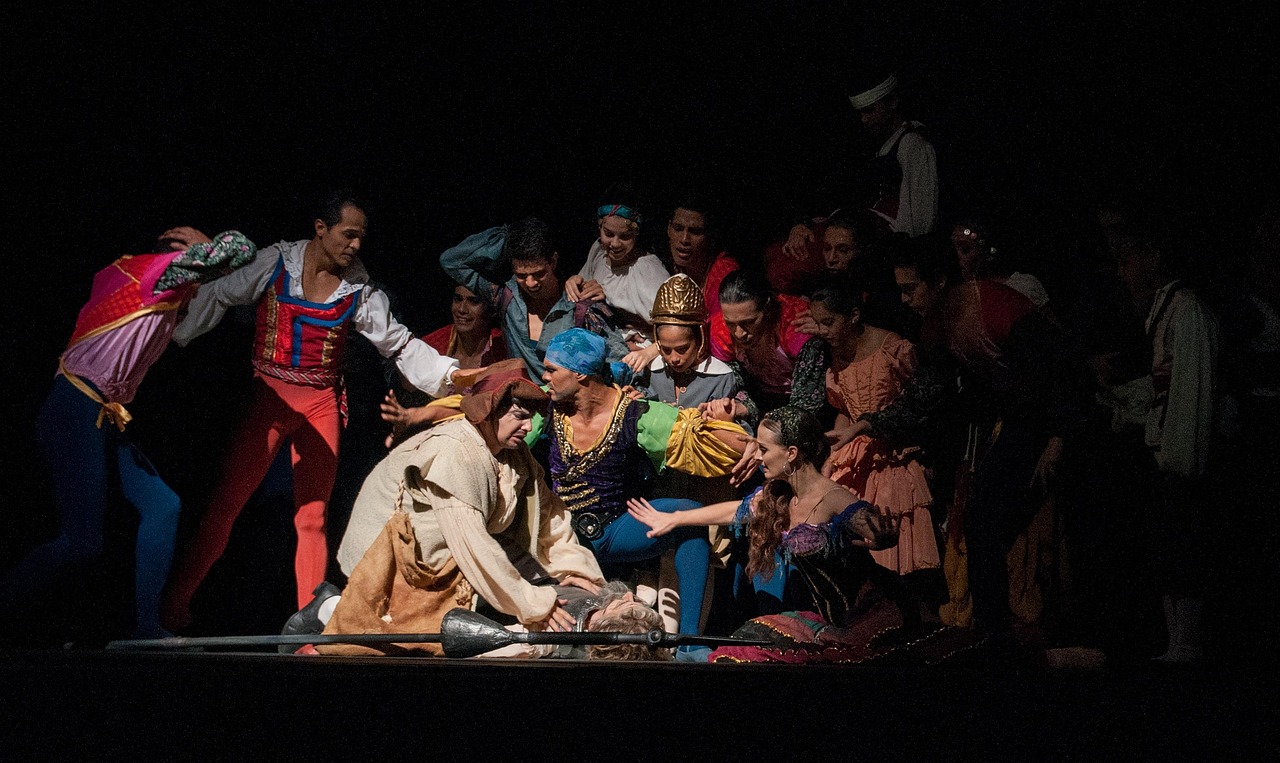
It's one of those rare events that doesn't talk down to children. We watched a Catalan performer adapt Don Quixote using shadow puppets and a live guitar; the kids were enthralled, but the adults, standing in the back with glasses of wine, were the ones crying.
The Logistics: How to Plan Your Theater Route
If you are moving to Spain or planning a long-term visit, you need to understand the logistics of these festivals. They don't operate on "tourist time."
Timing and Strategy
- Summer (June-August): This is for the big hitters. You need to book your tickets and your bed months in advance. The best time to go to Spain for spectacle is July, but be prepared for the 35°C+ heat.
- Spring/Fall (April-May & September-October): The sweet spot. Better weather, fewer crowds, and intimate festivals like Titiristán.
- Winter (January-March): This is when you find the local cycles like Eibar. It's cheaper, more authentic, and feels like you've been let in on a secret.
Building a Circuit
Theater-centered travel works best when the show is the destination and the sightseeing is the "happy accident."
- The Western Route: Seville → Mérida (July) → Cáceres → Seville. Classical drama paired with UNESCO architecture.
- The Northern Route: Bilbao → Eibar (February) → San Sebastián → France. Contemporary drama paired with the world's best food.
- The Central Route: Madrid → Almagro (July) → Toledo → Madrid. The Golden Age of theater within reach of the capital.
The "Spain Lifestyle Comparison": Why Theater is the New Beach
For those weighing the Spain lifestyle comparison against other European hubs, the accessibility of world-class culture in tiny towns is a massive pro.
In many countries, theater is an elitist pursuit confined to the big cities. In Spain, a town of 8,000 people like Almagro receives millions in public investment to put on a show that costs you €15 to see. This decentralization of culture is part of why relocating to Spain feels so rewarding - you don't have to live in a concrete jungle to see great art.
The Realities of Language
Most of these performances are in Spanish, or occasionally Catalan or Basque. If you're a Spain for expat student of the language, theater is the ultimate immersion. It's language practice with emotional stakes. You will understand more than you expect because the physical performance, the ancient stones, and the energy of the crowd fill in the blanks that your vocabulary hasn't reached yet.
Final Thoughts: The Ephemeral over the Eternal
Museums are great, but they are static. You can see a Goya in the Prado any Tuesday in February, and the experience will be largely the same. But watching Antigone in a 2,000-year-old theater at sunset is a singular, unrepeatable event. It happens once, the sun goes down, the actors take their bows, and it becomes a memory.
For travelers who value the ephemeral over the "Instagrammable," the Spanish theater circuit is the ultimate prize. It is demanding, it requires planning, and it might force you to sit on a hard wooden bench for three hours in the heat. But when you walk out into a moonlit plaza at midnight, surrounded by locals debating the nuances of a 400-year-old script, you'll realize you've finally found the real Spain.
Ready to discover more of Spain's authentic cultural experiences? Explore our complete guide to Spain's festivals throughout 2026, discover hidden gems and attractions across Spanish cities, or browse our events calendar for celebrations nationwide.