
Madrid's Holy Week 2026: A Complete Guide to Semana Santa in Spain's Capital
March 27 - April 5: Experience Living Tradition in Modern Madrid
From March 27 to April 5, 2026, Madrid transforms into a living theater of faith, art, and tradition during Semana Santa-Holy Week. Unlike the famous processions of Seville or Málaga, Madrid's celebrations blend centuries-old religious devotion with the energy of a modern European capital, making it ideal for travelers seeking authentic cultural experiences in Spain without overwhelming crowds.
This guide covers everything you need to plan your Holy Week visit: key dates and events, where to watch processions, traditional foods to try, and practical tips for navigating the city during one of Spain's most important cultural celebrations. Looking for more spring events in Madrid? Check our complete Madrid events calendar or explore events across all Spanish regions.
What Makes Madrid's Holy Week Special
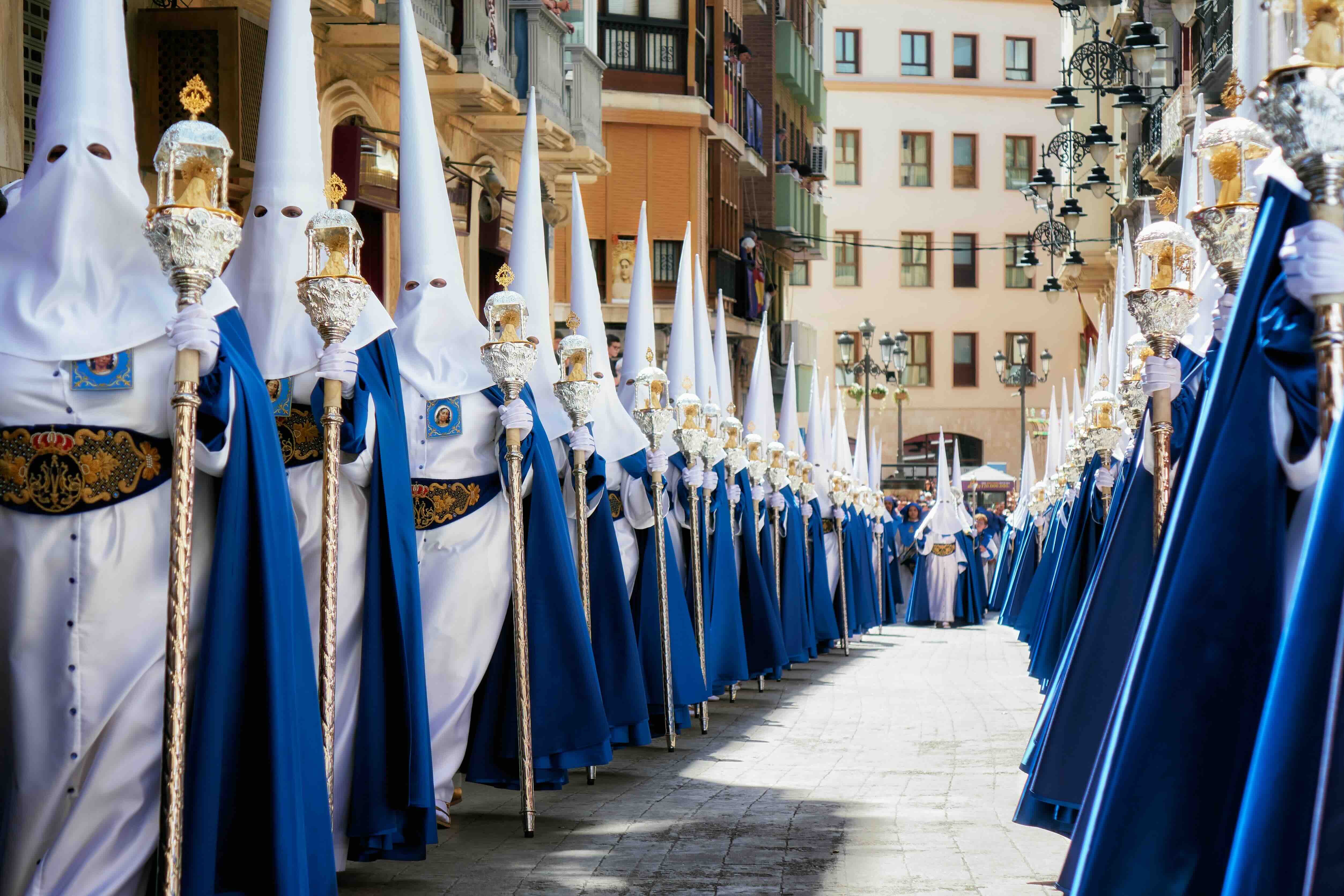
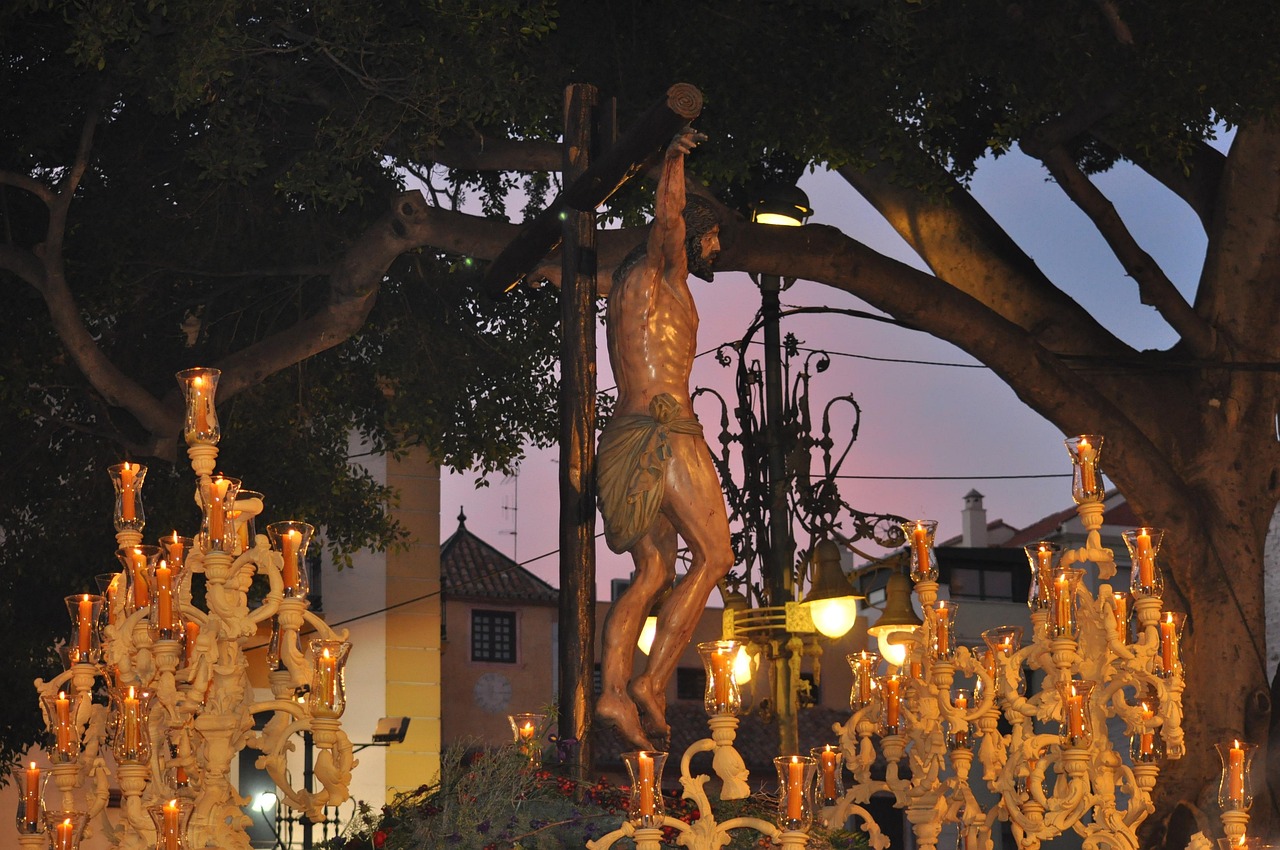
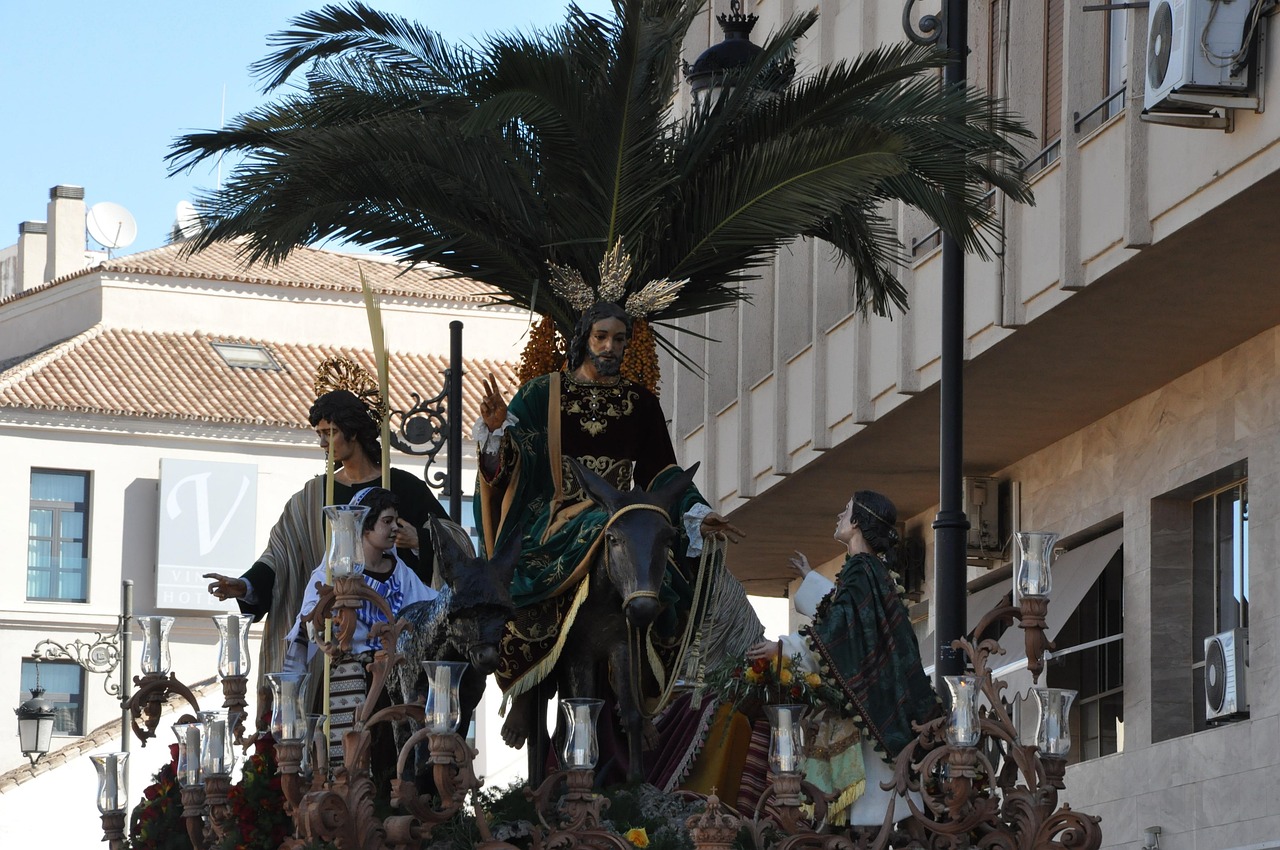
Semana Santa commemorates the final week of Jesus Christ's life, from Palm Sunday through Easter Sunday. Across Spain, religious brotherhoods (cofradías) carry elaborate floats (pasos) depicting biblical scenes through city streets, accompanied by brass bands, candlelight, and the haunting flamenco-style songs called saetas.
Madrid's version stands apart for three reasons:
- Intimacy: While southern Spanish cities draw massive tourist crowds, Madrid's processions feel more local and accessible. You can get close enough to see the intricate details on centuries-old religious sculptures.
- Urban backdrop: Processions wind through the historic center-past Habsburg-era buildings, through Plaza Mayor, along the Paseo del Prado. The contrast between solemn tradition and cosmopolitan city life creates a uniquely Madrid atmosphere.
- Cultural calendar: Beyond religious ceremonies, Holy Week brings classical concerts in historic churches, special museum exhibitions, and traditional foods in neighborhood cafés. It's a complete cultural immersion, not just a religious event.
For digital nomads living in Spain, expats settling into Spanish life, or families planning spring travel, Holy Week offers a window into traditions that define Spanish identity-without requiring deep religious knowledge to appreciate.
Key Dates and Events: March 27 - April 5, 2026
Palm Sunday (Domingo de Ramos) - March 29
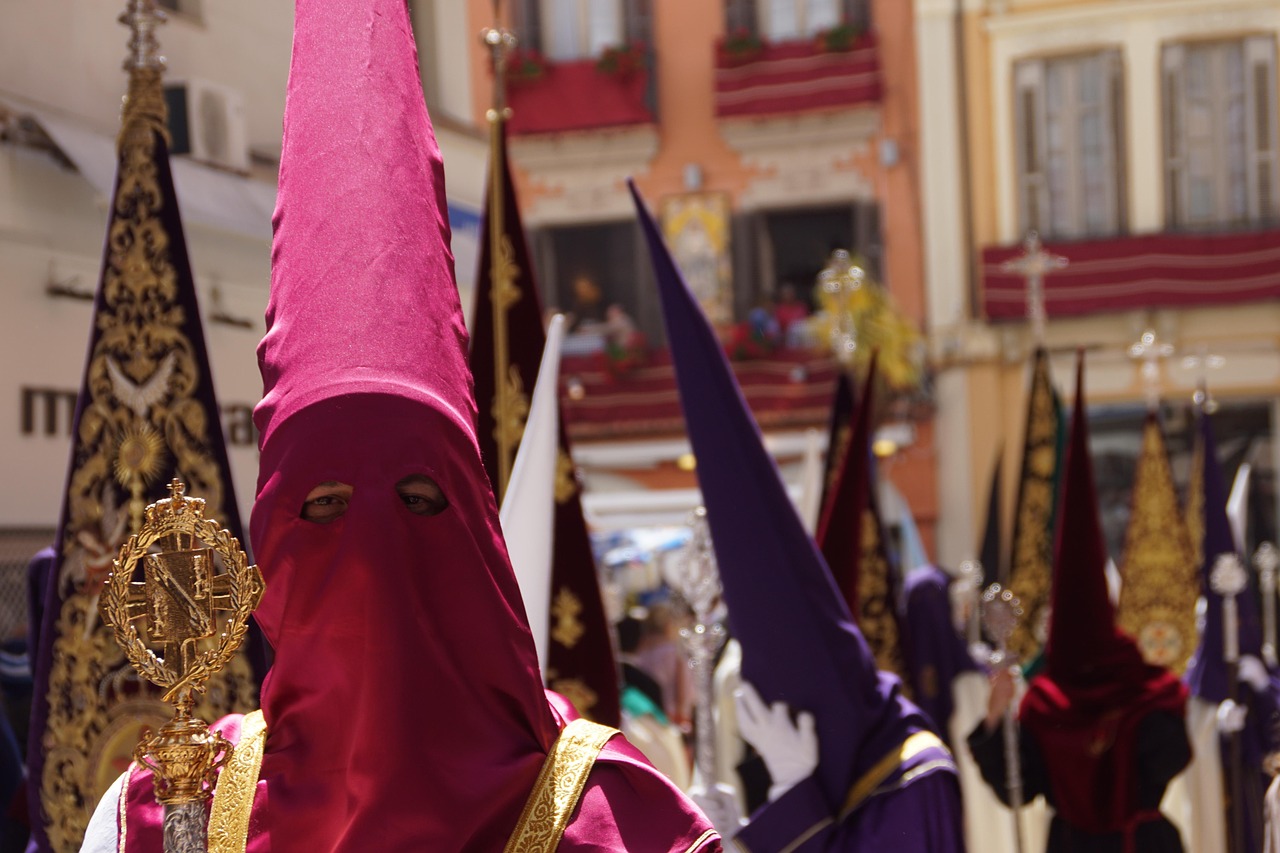
The week opens with multiple processions, most notably the Procesión del Silencio. True to its name, this parade moves through narrow streets in complete silence-no music, no talking-creating an almost cinematic atmosphere as hooded penitents carry flickering candles through the darkened city.
- Where to watch: The procession starts near Plaza de Oriente and winds through the Austrias neighborhood (Madrid's oldest quarter). Arrive by 7:30 PM to claim a spot along Calle Mayor.
Monday-Wednesday (March 30 - April 1)
Processions continue nightly, each organized by different brotherhoods with their own robes, floats, and musical traditions. Wednesday evening features the Procesión de los Gitanos (Procession of the Romani People), known for particularly emotional saetas sung from balconies along the route.
- Insider tip: The processions departing from smaller parish churches like San Andrés or San Isidro offer quieter, more contemplative experiences. You'll see the same traditions with a fraction of the crowds found at major routes.
Holy Thursday (Jueves Santo) - April 3
The atmosphere intensifies as multiple evening processions cross paths in the historic center. El Cautivo Divino and Jesús Nazareno "El Pobre" feature some of the oldest religious sculptures in Madrid, carried on the shoulders of costaleros (bearers) through streets lit only by candlelight and streetlamps.
Good Friday (Viernes Santo) - April 4
The emotional peak of Holy Week. The extended Procesión del Silencio stretches for hours, with thousands of participants in traditional purple robes. Many Madrid families have participated in this procession for generations-it's living heritage, not a tourist show.
- Best viewing strategy: Rather than fighting crowds at major plazas, find a spot along a quieter section of the route (like Calle Sacramento or Calle Toledo). The procession moves slowly enough that you can follow it, experiencing different atmospheres as it passes through various neighborhoods.
Holy Saturday (Sábado Santo) - April 5
A quieter day, with reflective processions like La Soledad. Many visitors use this day to explore Madrid's museums or rest before Easter Sunday's celebrations.
Easter Sunday (Domingo de Resurrección) - April 5
The week culminates at Plaza Mayor with the Tamborrada - the Drumming of the Resurrection. Hundreds of drummers gather at noon, creating a thunderous celebration that marks the transition from mourning to joy. The plaza fills with families, the mood shifts from solemn to festive, and spring fully arrives in Madrid. If you're planning to stay longer, explore what else is happening in Madrid throughout 2026.
Beyond the Processions: Cultural Experiences
Music in Sacred Spaces
Madrid's churches become concert halls during Holy Week:
- San Ginés Church: Organ concerts featuring Bach, Buxtehude, and Spanish baroque composers
- Catedral de la Almudena: The Banda Sinfónica Municipal performs symphonic works with religious themes
- Iglesia de San Francisco el Grande: Chamber music in one of Madrid's most ornate churches
These concerts are often free or low-cost, rarely crowded, and offer a different way to experience Madrid's cultural heritage.
Museum Highlights
Madrid's world-class museums remain open through Holy Week (except Good Friday morning), with special exhibitions and extended hours. Want to discover more cultural attractions? Use our Places Finder to explore museums, galleries, and cultural sites throughout Madrid.
- Prado Museum: Religious art takes on new context during Holy Week. Seek out Velázquez's Christ Crucified, El Greco's The Disrobing of Christ, and the entire Spanish Renaissance collection.
- Reina Sofía: 20th-century and contemporary art provides perspective on how Spanish culture evolved beyond religious traditions while still being shaped by them.
- Thyssen-Bornemisza: Medieval and Renaissance collection includes stunning religious works rarely seen outside Europe.
Traditional Foods of Holy Week
Religious tradition forbids meat during Holy Week, leading to dishes that remain Spanish favorites today:
- Torrijas: Spain's answer to French toast-bread soaked in milk, wine, or honey, then fried and dusted with cinnamon. Try them at Café de Oriente or Chocolatería San Ginés.
- Potaje de Garbanzos: A hearty chickpea and spinach stew with cod. Look for it as the menú del día special at traditional restaurants in La Latina.
- Buñuelos de viento: Light, airy fritters served with chocolate sauce. Find them at neighborhood bakeries like Horno La Santiaguesa (Calle de la Luna).
- Hornazo: A meat pie from Salamanca that's become popular in Madrid-technically eaten after Holy Week ends, representing the return to regular eating.
Hidden Gems: Beyond the Tourist Routes
- Authentic neighborhood processions: Smaller parishes in neighborhoods like Chamberí or Carabanchel host intimate ceremonies where you'll be surrounded by locals who've attended for decades.
- Historic church interiors: Many churches only open to visitors during Holy Week. San Pedro el Viejo and the Basílica de San Miguel offer glimpses into Habsburg-era Madrid.
- Market visits: Mercado de la Paz (Salamanca neighborhood) or Mercado de Antón Martín offer better quality and prices than touristy Mercado de San Miguel.
- Scenic walking routes: The walk from Plaza de la Villa to Plaza de la Paja passes through medieval Madrid, with processions sometimes appearing unexpectedly around corners.
- Flamenco and saetas: Cultural centers like Casa Patas or Corral de la Morería host flamenco performances with religious themes during Holy Week.
Practical Planning for Holy Week in Madrid
Accommodation
Book 2-3 months ahead. Hotels in the center (Sol, Ópera, La Latina) fill quickly. Consider staying in Malasaña or Chueca for better value and authentic local atmosphere-you're still 10-15 minutes walking from processions.
Transportation
- Metro closures: Stations near major procession routes (Sol, Ópera, Tirso de Molina) may close temporarily during peak times (8-11 PM). Check the Metro Madrid app.
- Walking is best: The historic center is compact and largely pedestrian-only during processions. Comfortable walking shoes are essential.
- Street closures: Central streets like Calle Mayor, Arenal, and Alcalá close to vehicles during processions. Plan accordingly.
What to Bring
- Layers: March/April in Madrid means 50-70°F (10-20°C), with cool evenings. Bring a light jacket.
- Portable chair: Locals often bring folding chairs for long processions.
- Cash: Many traditional cafés and small churches don't accept cards.
- Respectful clothing: Not required except inside churches, but avoid shorts and tank tops if attending services.
Etiquette
- Silence during silent processions: Really. No talking, no phone calls.
- Photography: Allowed, but turn off flash and don't use selfie sticks in crowded areas.
- Crossing procession routes: Wait for natural breaks between brotherhoods. Never push through the middle.
- Children: Holy Week is family-friendly, but evening processions run late. Earlier processions work better for young kids.
Cost Expectations
- Processions: Free
- Church concerts: Free to €10
- Museums: €10-15 (free hours available)
- Meals: €12-18 for traditional menú del día, €25-40 for dinner at mid-range restaurants
- Hotels: €80-150/night for 3-star central locations
Why Madrid for Holy Week?
Holy Week happens across Spain, but Madrid offers advantages for certain travelers:
- First-time Spain visitors: You get the full Holy Week experience plus world-class museums, dining, and architecture-a complete introduction to Spanish culture in one trip.
- Digital nomads and remote workers: Madrid's café culture, reliable WiFi, and comfortable spring weather make it easy to balance work and cultural exploration.
- Families: Madrid is walkable, safe, and has infrastructure that makes travel with kids manageable. The Tamborrada on Easter Sunday is particularly child-friendly.
- Expats exploring Spain: If you're already living in Spain, Holy Week in Madrid offers cultural depth without extreme crowds or tourist pricing.
- Culture seekers: The combination of religious processions, classical concerts, world-class art museums, and traditional cuisine creates a richly layered experience.
Final Thoughts
Madrid's Holy Week won't give you the massive spectacle of Seville or the coastal drama of Málaga. What it offers instead is accessibility, intimacy, and the chance to experience living tradition in a modern context.
You'll watch processions alongside Madrid families who've done this for generations. You'll eat torrijas in cafés unchanged since the 1920s. You'll hear organ music echo through baroque churches that have hosted these same Holy Week concerts for centuries. And between these traditional moments, you'll drink coffee in hip Malasaña cafés, browse contemporary art museums, and navigate a thoroughly 21st-century European capital.
That's the Madrid version: tradition and modernity, faith and cosmopolitanism, all coexisting in the same narrow streets of the historic center.
Ready to explore more of Spain? Discover Spain's most beloved holidays throughout the year, find hidden gems and attractions across Spanish cities, or browse our complete events calendar for festivals and celebrations nationwide.
- Note: Exact procession times and routes for 2026 will be published in early March 2026. Check official sources closer to your travel dates.